Why the Kruger Park...
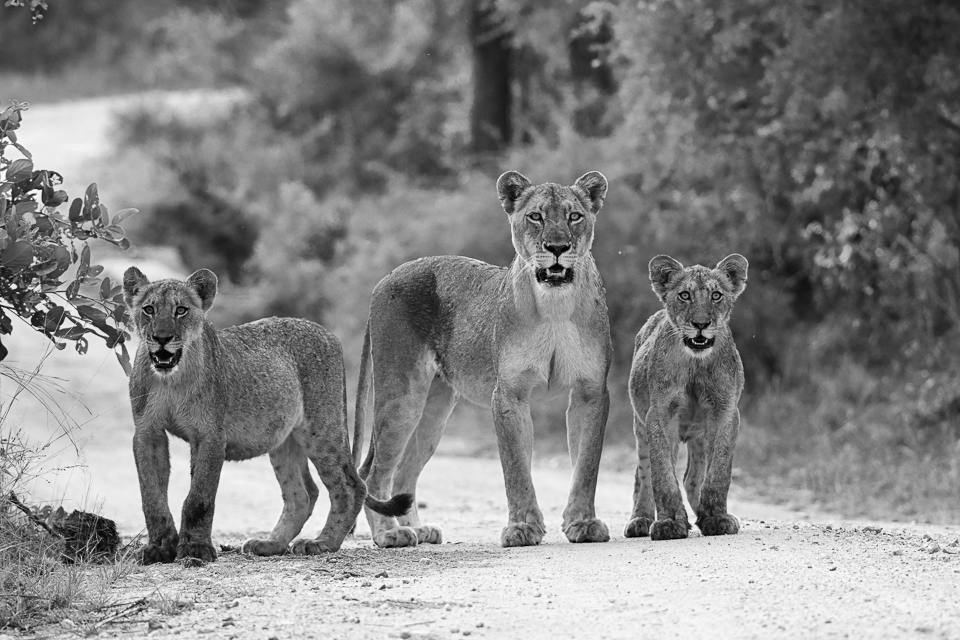
...well in our humble opinion, there's no other national park quite like the Kruger Park.
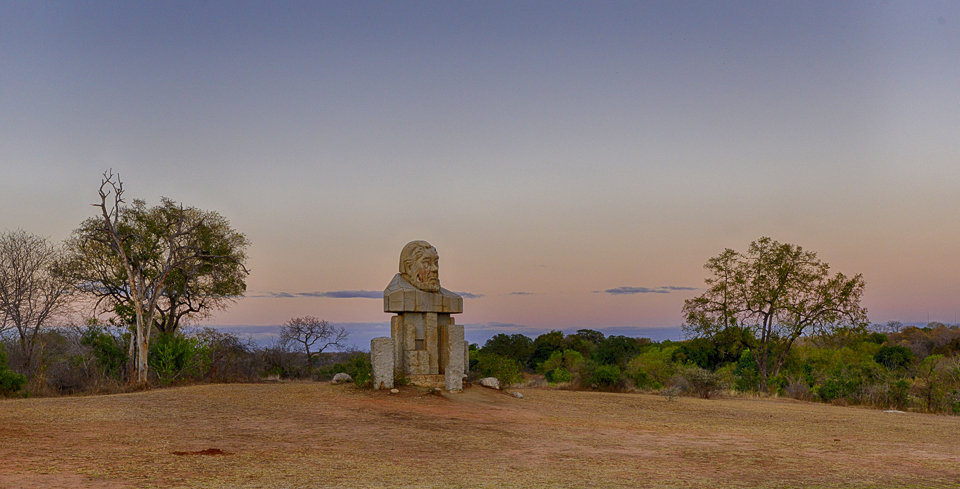
From the Baobab-dominated north of the park...
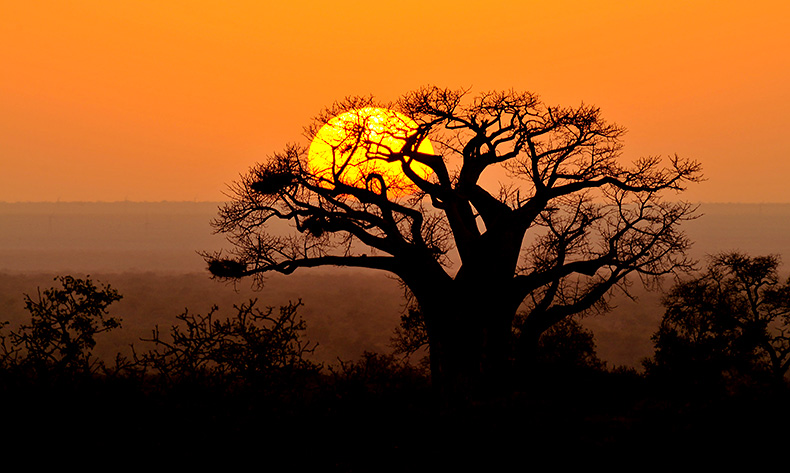
BirdLife SA used the above sequence of baobab sunrise images for their August 2020 TV ad campaign...
...to the central Satara plains and the hills of Berg en Dal in the South, no two camps are alike as the geology and vegetation changes as you drive from one end of the park to the other.
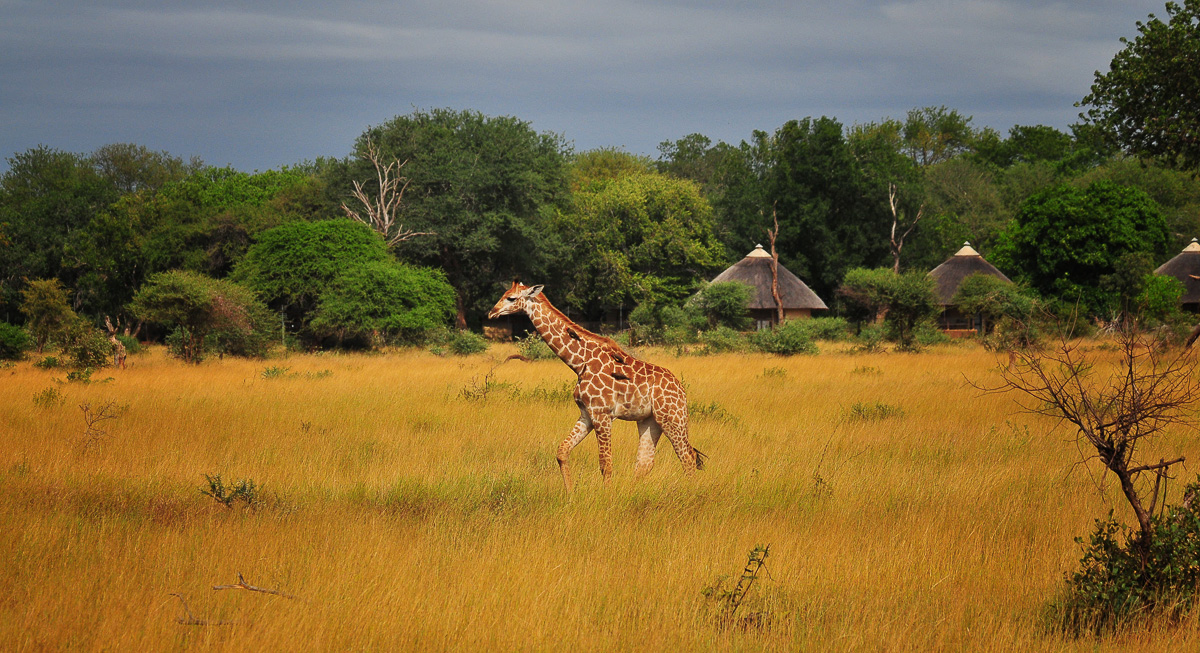
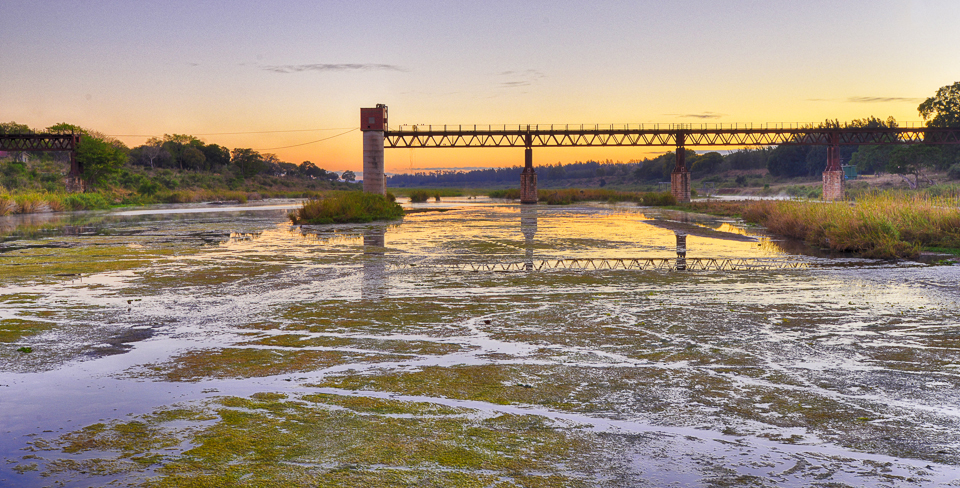
In addition, seven major rivers cross the park from West to East making the Kruger National Park a lush, sub-tropical paradise. This picture shows the Shingwedzi River at the low-level bridge near Bateleur Bushcamp...
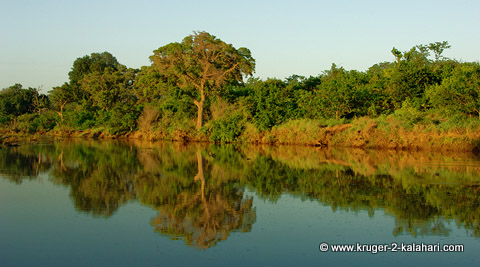
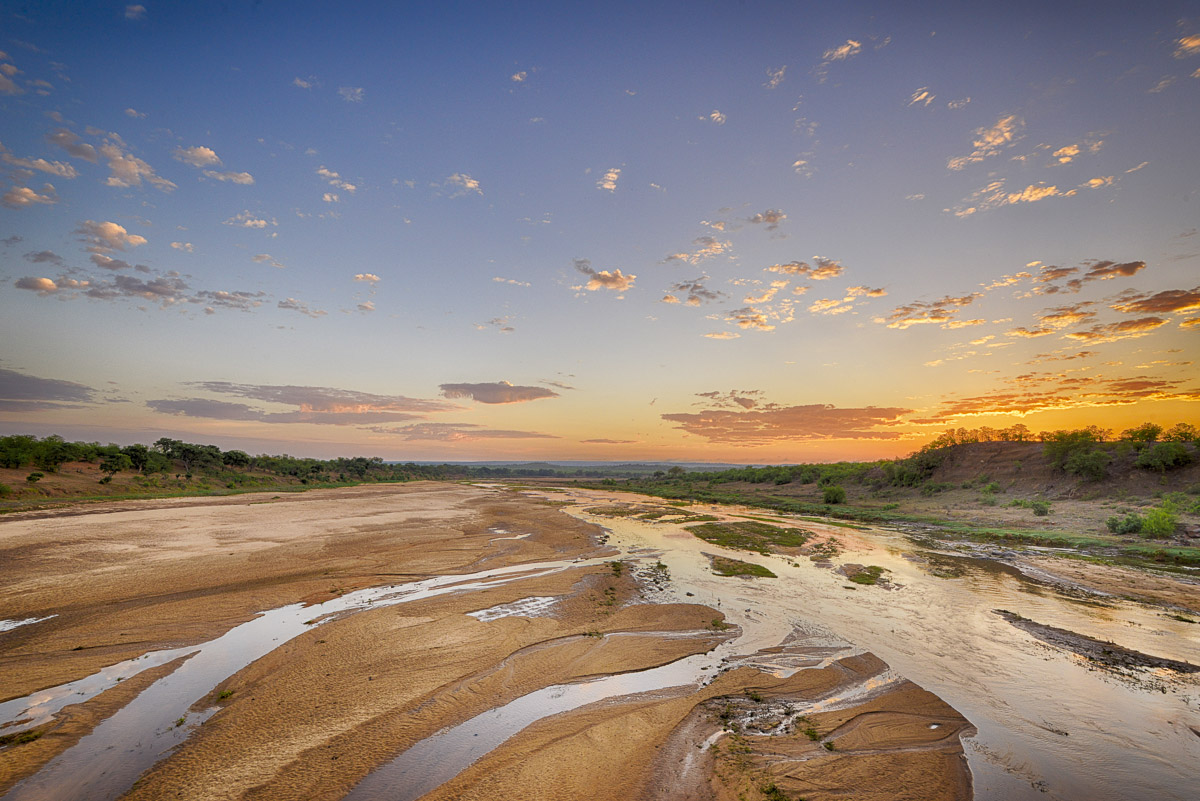
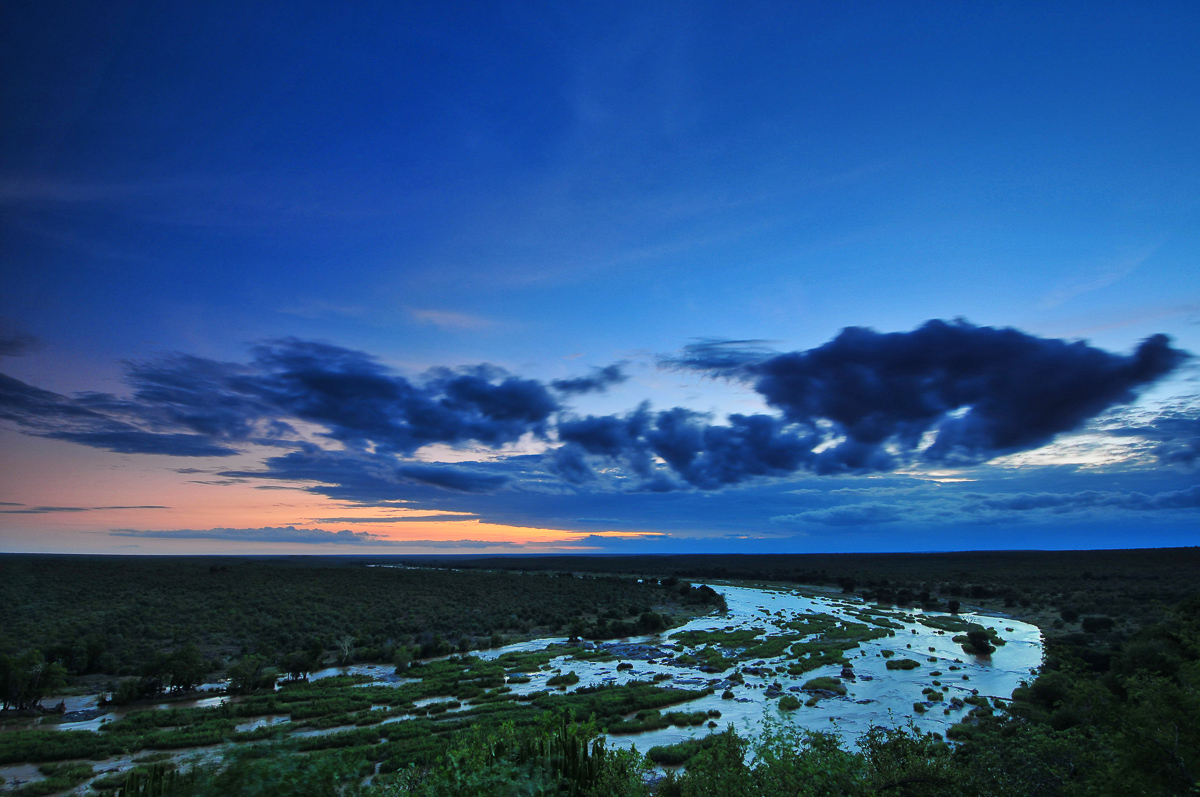
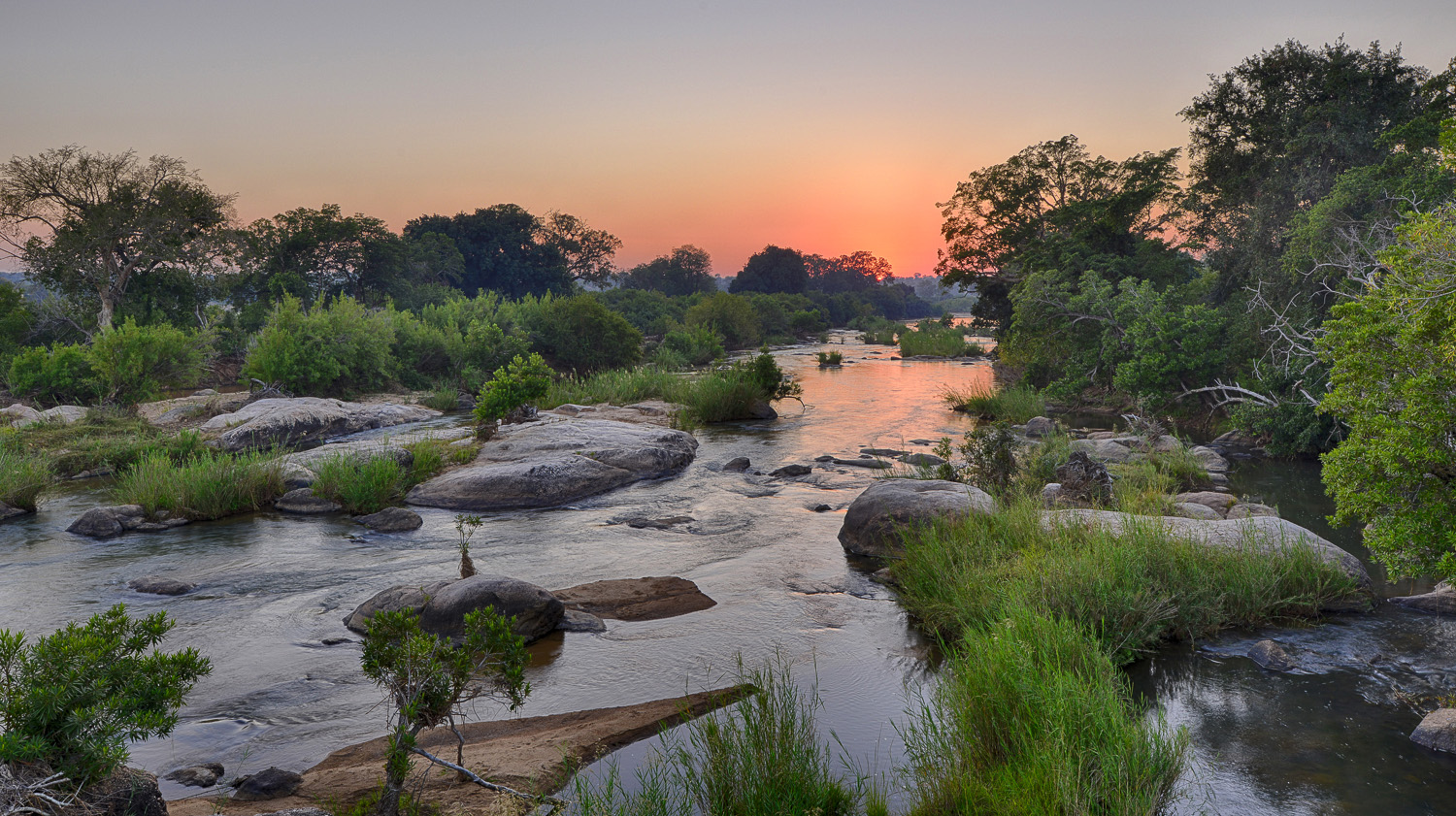
We have visited many African countries such as Namibia, Botswana, Zambia, Zimbabwe, Swaziland, Mozambique, Malawi and Tanzania, yet South Africa's Kruger National Park (KNP) is still our number-1 Big-Five self-drive safari destination.
Yes, the Kruger has its critics as you will read on this page, The Kruger National Park – Magnificent or Mediocre? and on this page Part of the Herd, but 99% of the negativity is totally unfounded!
Many people spend their annual holidays in the park every year and have done so for the last 30 years or more. Why do they keep coming back?
We often get asked “don’t you get tired of the Kruger Park?”, “isn’t it the same thing year after year?”, “once you’ve seen one leopard why do you want to see another one?” and so forth.
Many authors have tried to put their finger on the one thing that makes the Kruger National Park special or magical but we don’t think there is any one thing.
It’s a combination of the many different animals, from the totally different camps...
• Balule
• Berg-en-Dal
• Biyamiti
• Boulders
• Crocodile Bridge
• Letaba
• Lower Sabie
• Maroela
• Mopani
• Olifants
• Orpen
• Pretoriuskop
• Punda Maria
• Roodewal
• Satara
• Shimuwini
• Shingwedzi
• Sirheni
• Skukuza
• Kruger Shalati: Train on the Bridge
• Tsendze
(To see maps of the various Kruger camps please click
here).
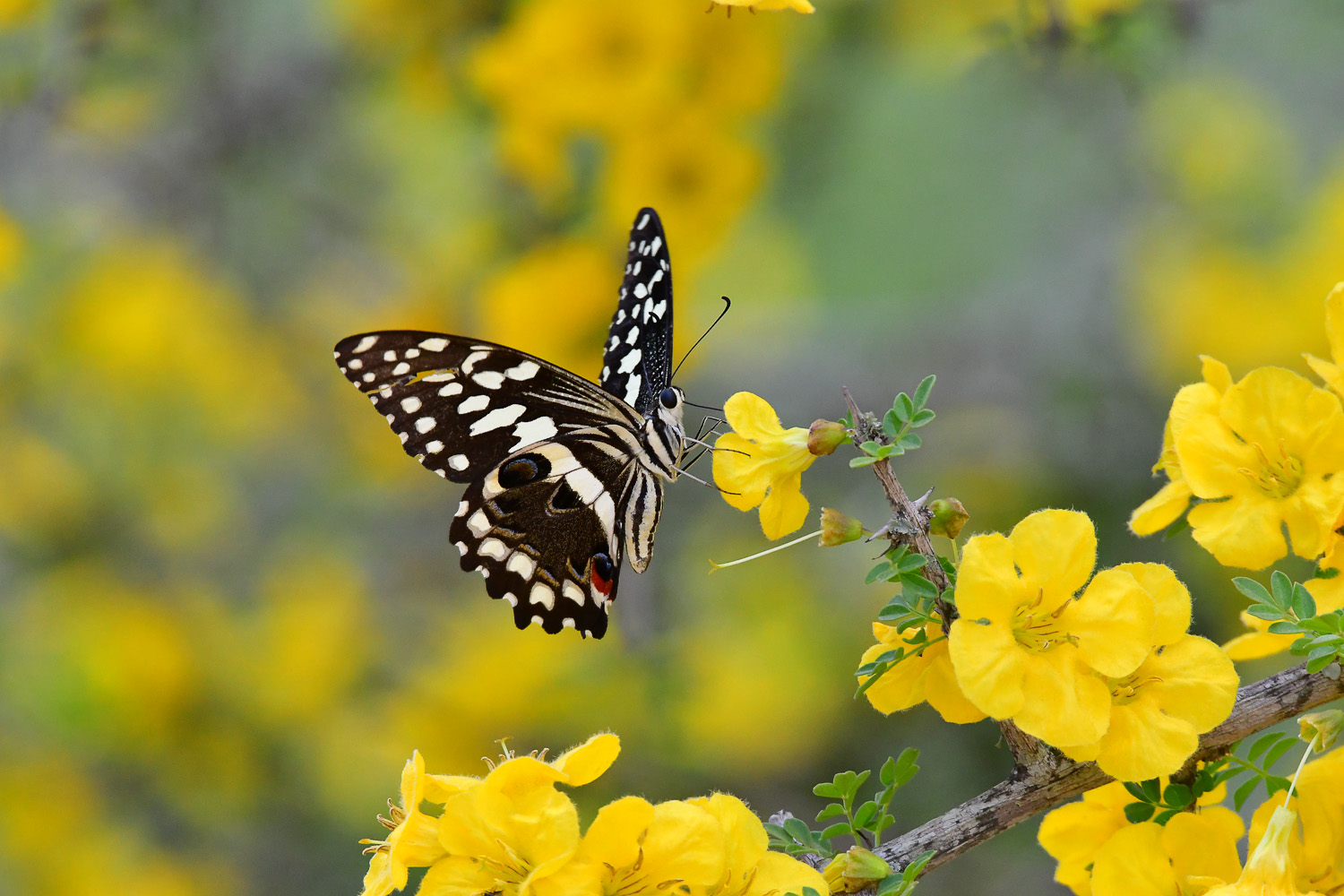
...to the amazing flora, the smell of thatch, the sense of wilderness, the clear unpolluted skies, the good network of roads, and the good service from most SANParks staff.
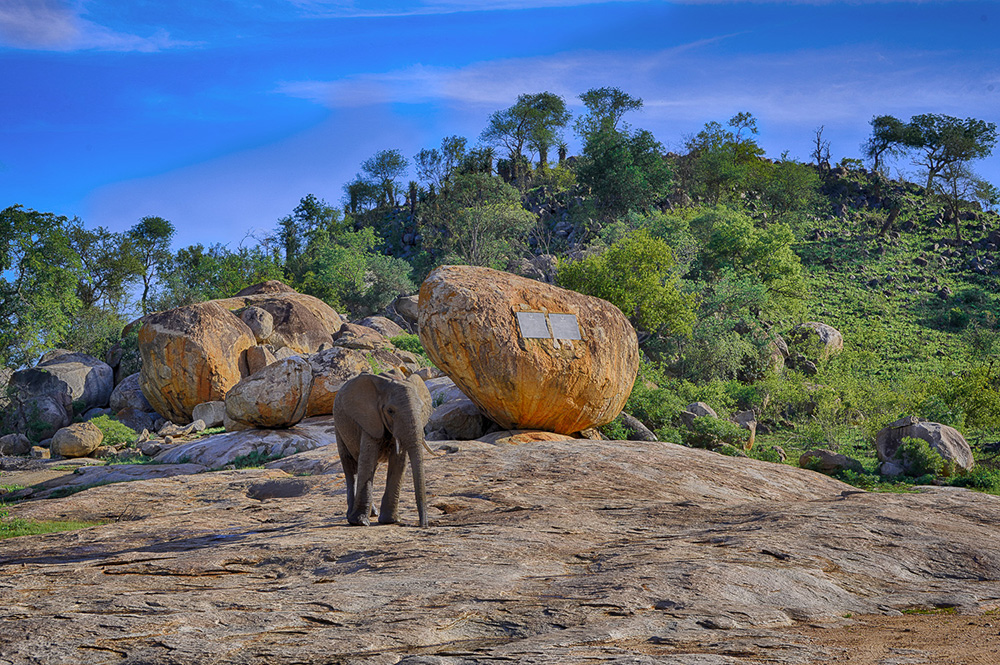
In addition, you have the vastly different landscapes:
• from the baobabs, lala palms and fever trees of Pafuri,
• the Phalaborwa koppies,
• the Olifants rugged-veld,
• the Lebombo Mountain foothills near Nwanetsi,
• the wild date palm wetland plains around Satara,
• the serene and perennial Sabie river,
• Ship Mountain near Pretoriuskop,
• the various Granite koppies south of Skukuza
• to the unique Berg-en-Dal mountain setting.
All of the above is what makes the Kruger a magnet that draws visitors back year after year, and if you asked a dozen people what they like most about the Kruger Park, you'll most probably get a dozen different answers!
The Kruger is also one of the best destinations for nature photographers as it provides excellent wildlife, macro, bird and landscape photo opportunities.
Kruger Park Galleries
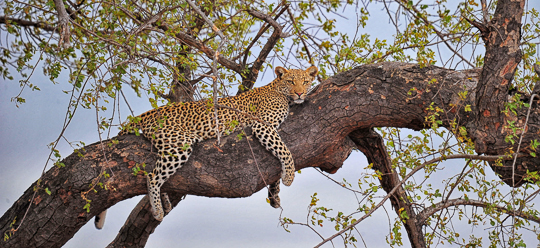
You'll get a better appreciation of what the Kruger National Park has to offer in terms of photographic opportunities by viewing our image galleries...
The super-seven animals (big-five plus cheetah and wild dogs):
- Rhinos of the Kruger National Park
- Leopards of the Kruger National Park
- Elephants of the Kruger National Park
- Lions of the Kruger National Park
- Buffalo of the Kruger National Park
- Cheetahs of the Kruger National Park
- Wild dogs of the Kruger National Park
Other Photo opportunities besides the super-seven:
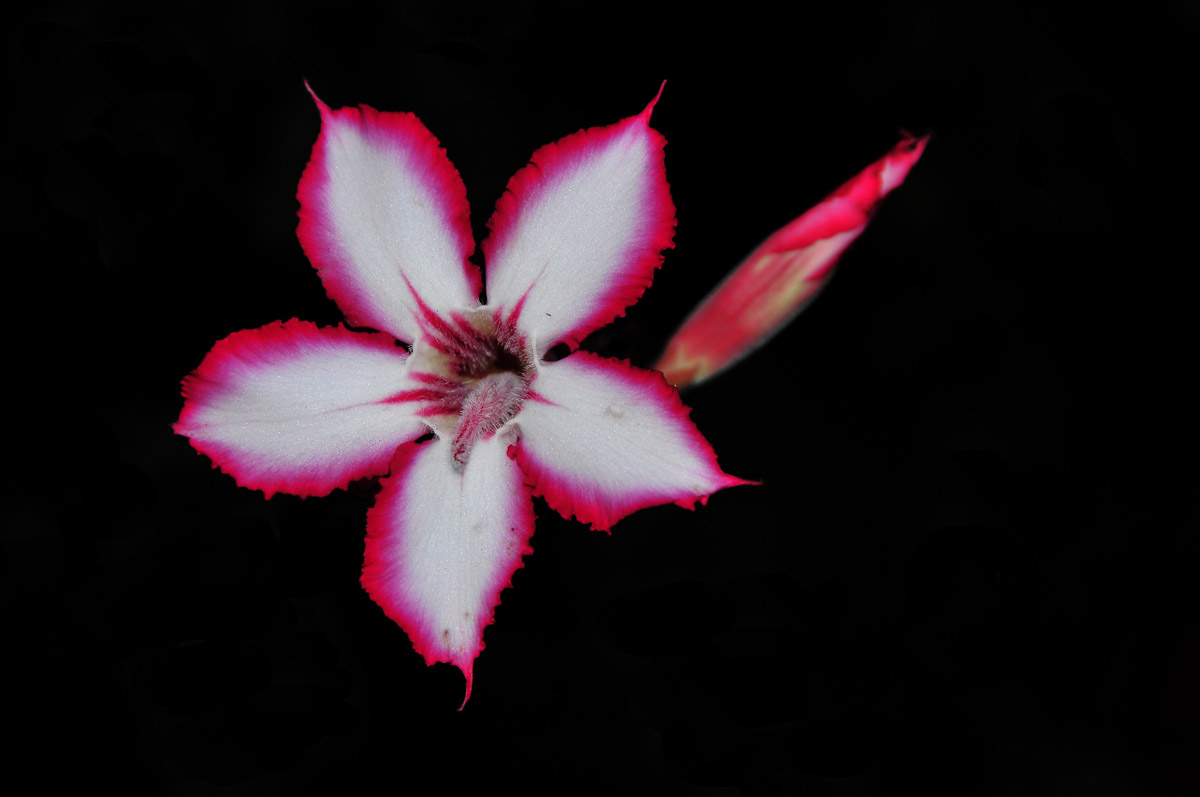
- Wildflowers of the Kruger National Park
- Landscapes of the Kruger National Park
- Kruger Park Sunrises and Sunsets
- Animalscapes of the Kruger National Park
- Rare animals of the Kruger National Park
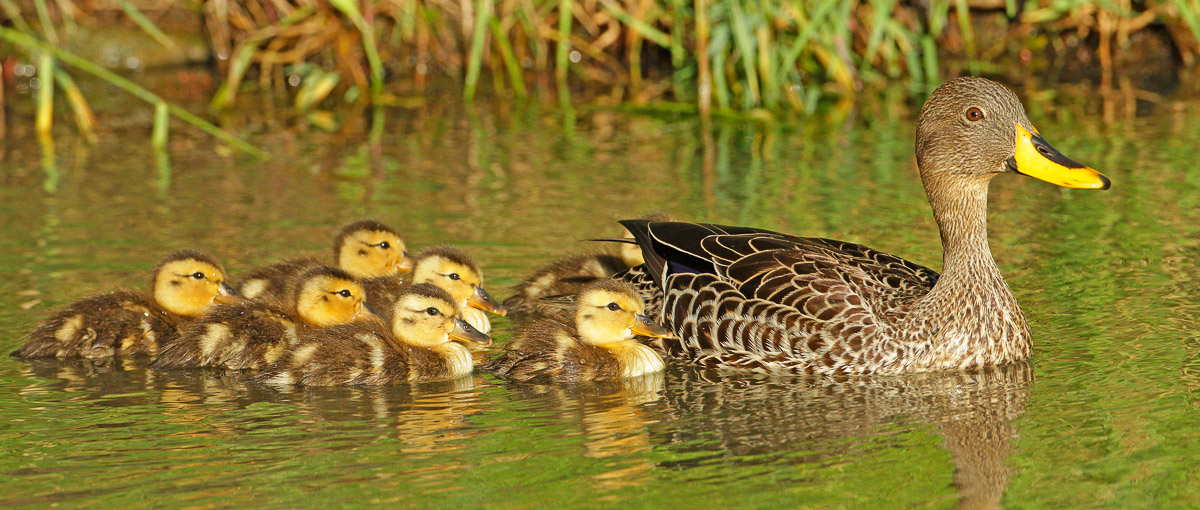
- Birds of the Kruger National Park
- Bird Interactions in the Kruger National Park
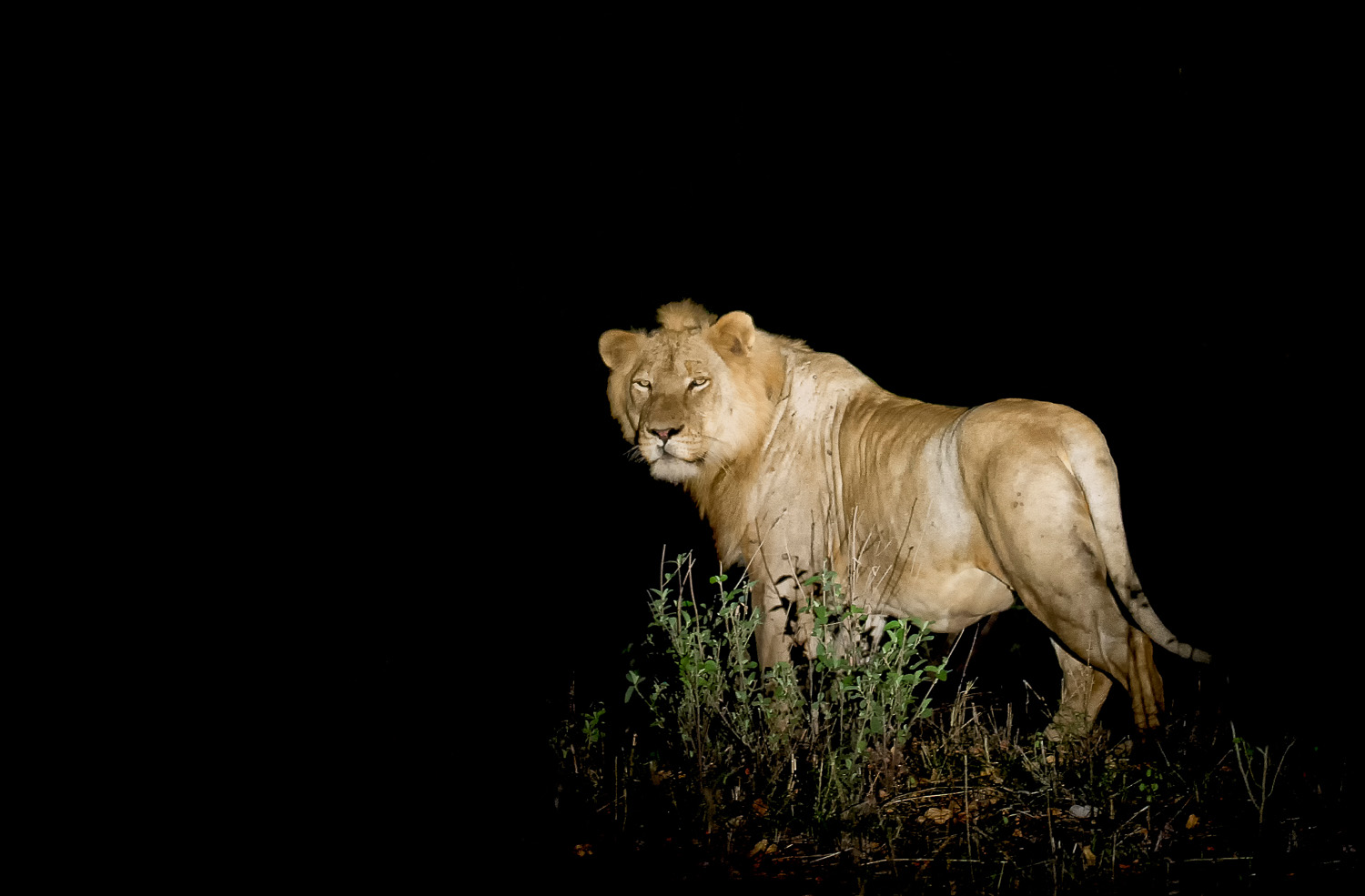
- The Kruger National Park at Night
- Insects, spiders & scorpions of the Kruger National Park
- Reptiles of the Kruger National Park
- Silhouettes of the Kruger National park
- High-key & Low-key images of the Kruger National Park
- Capturing animal interactions on your Kruger safari
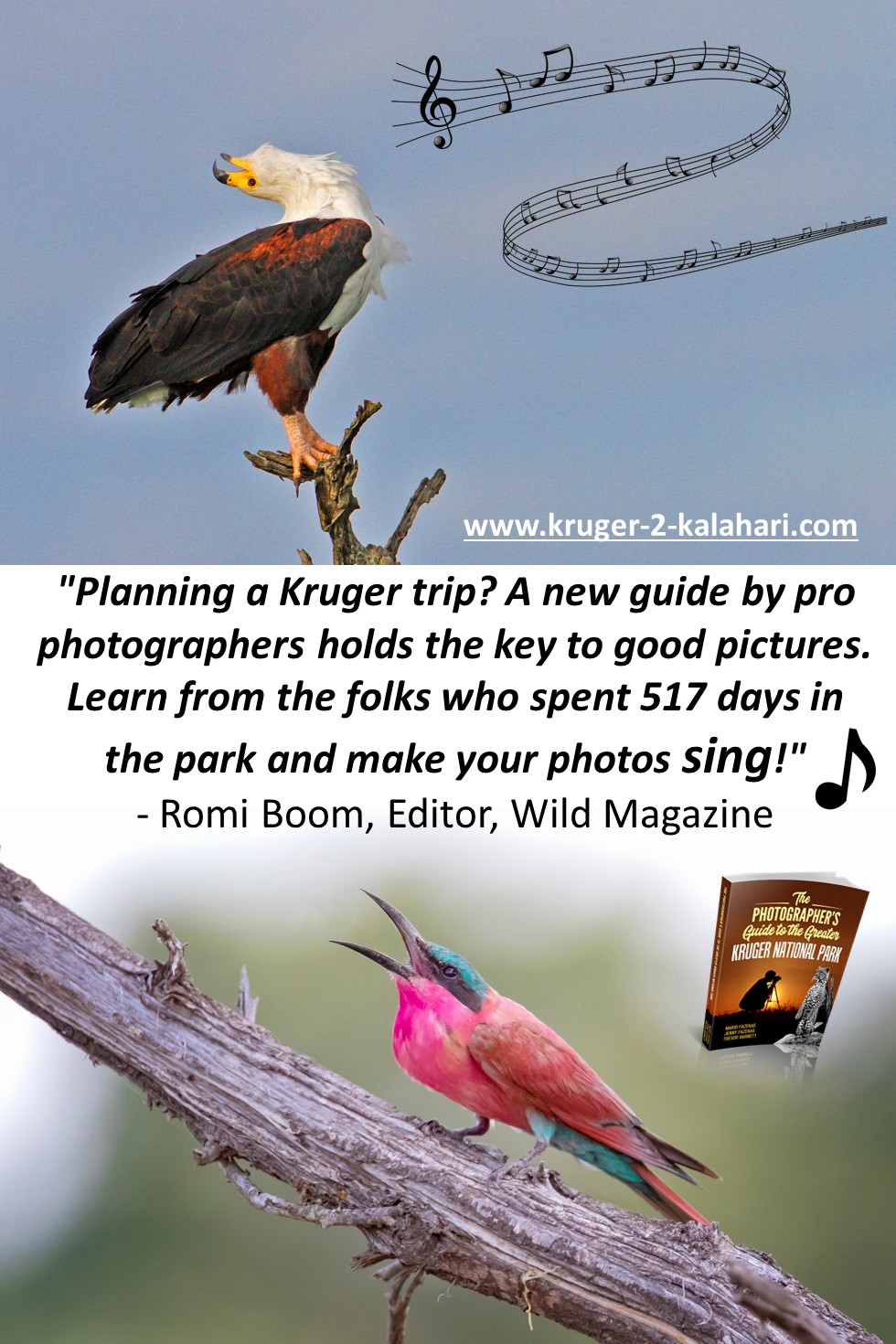
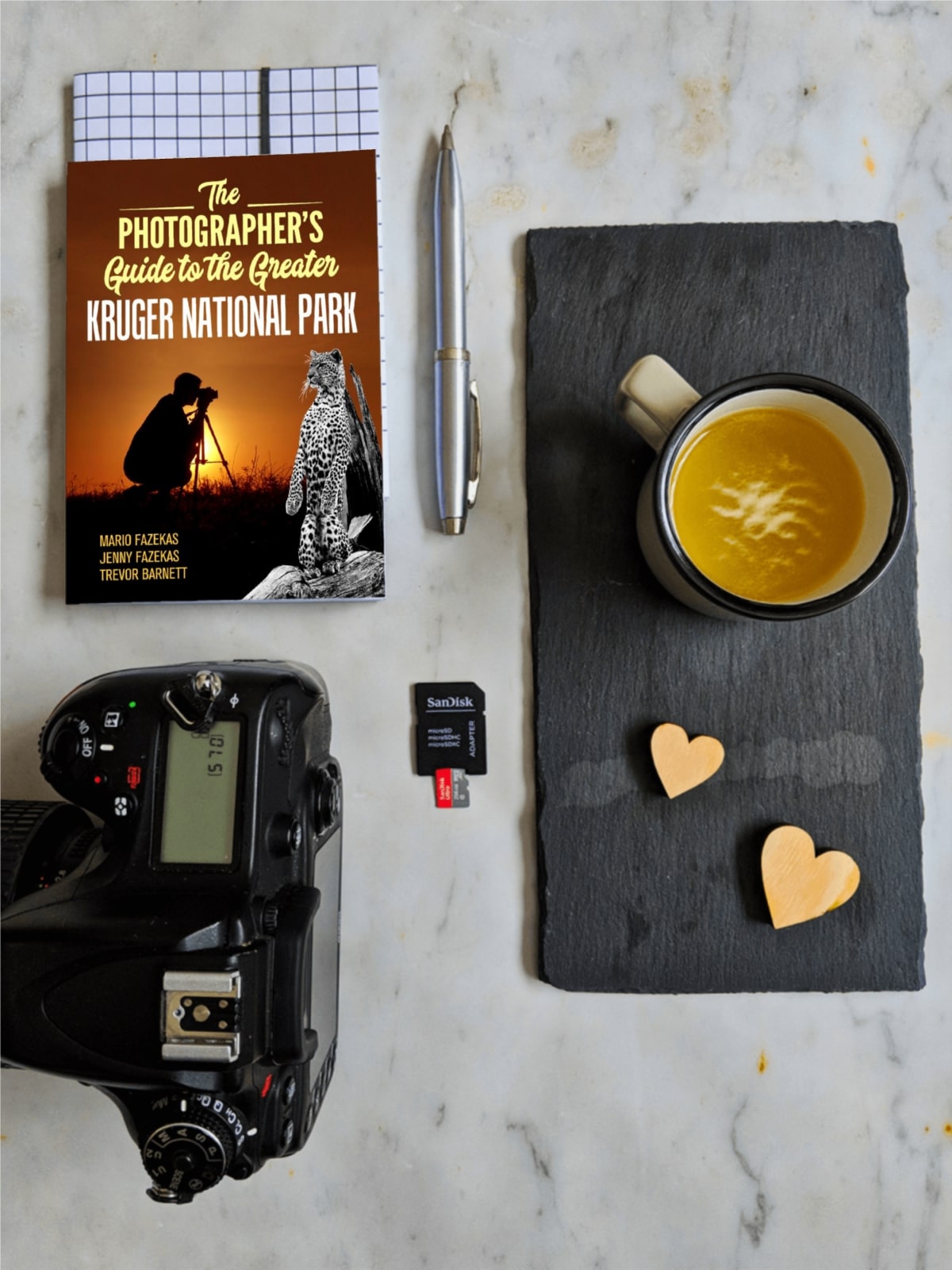
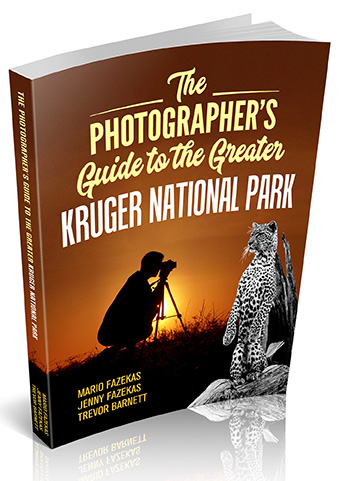
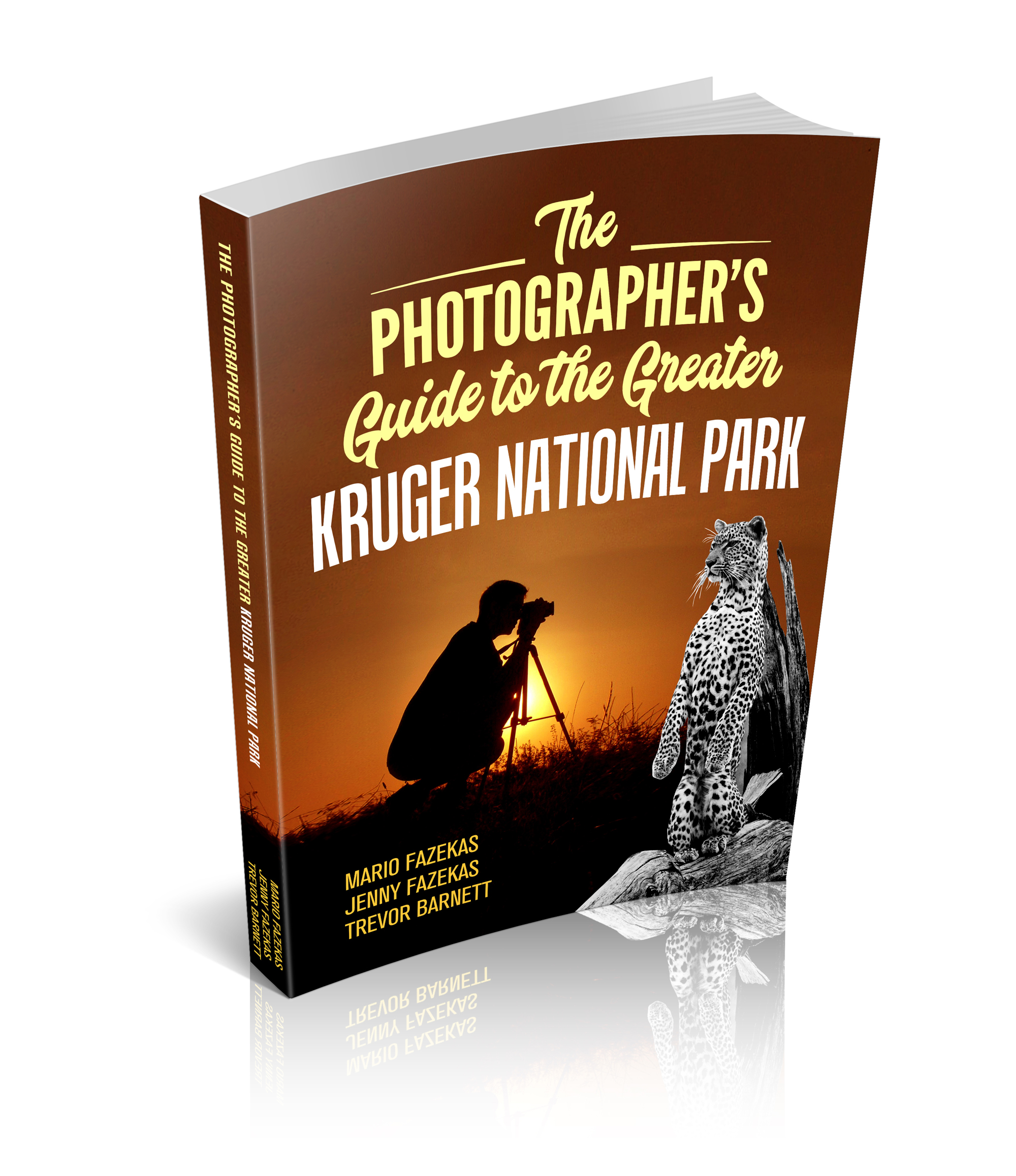 Should you wish to get the eBook, click on the above book cover, then click 'Add to Cart' where you'll see a button called 'Add Promo Code'. Click on it then add the word K2K and the 33% discount will be automatically applied. This code is valid until the end of the month, so don't delay! |
"This is an indispensable guide to getting the best out of Kruger, camera in hand or not!” - Caroline Webb, Associate Editor, Getaway Magazine, South Africa 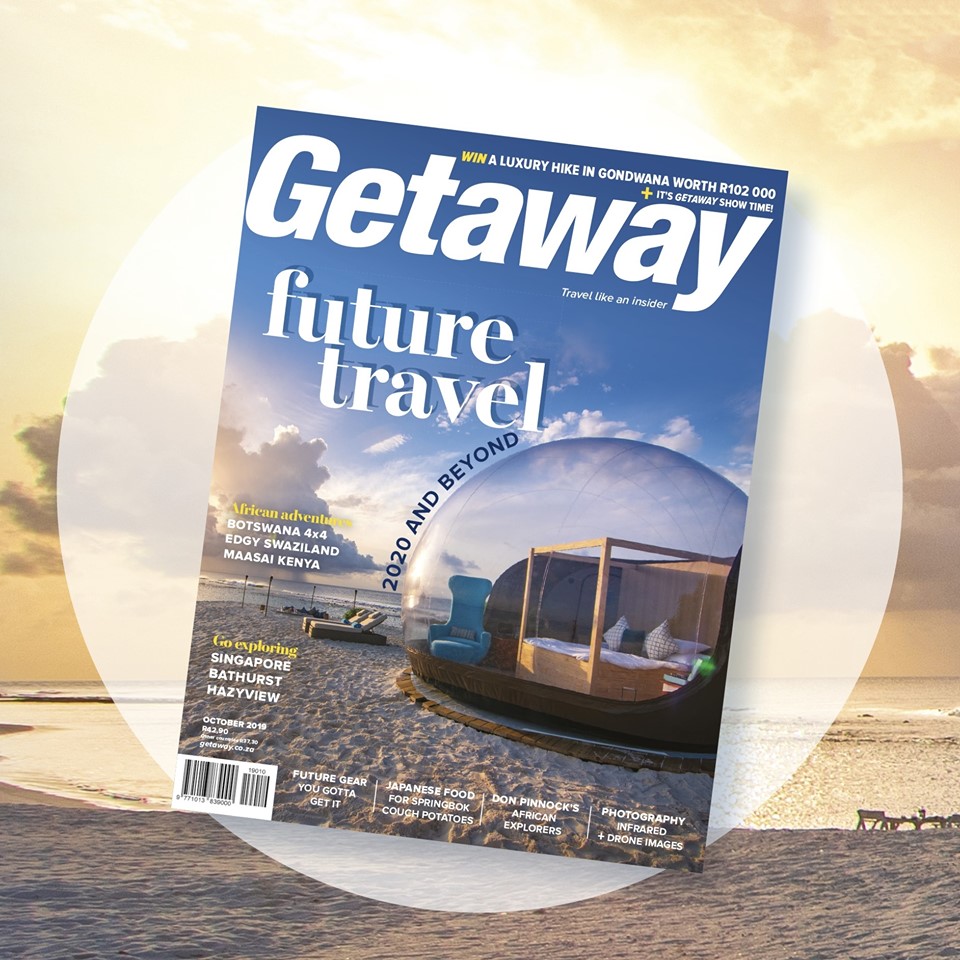 |
Let's have a brief look at what the Kruger is and what it has to offer:
• The KNP was South Africa's first conservation area, with its roots in the establishment of the Sabie Game Reserve in 1898. Then on 31 May 1926 the National Parks Act was proclaimed and the Sabie and Shingwdzi Game Reserves merged to form what we now know as the Kruger National Park, which celebrated its centenary in 1998.
For those of you who have been regular visitors to the Kruger click here to reminisce about the 'good old days' with Safari Nostalgia and to share your old Kruger photographs and stories with others.
• The southern park is about 400 kilometers from Johannesburg (Nelspruit, Hazyview, White River areas) while the northern parts around 500 kilometers from OR Tambo / Johannesburg. There are many good safari stopovers that you can choose from to stay at in order to refresh your batteries before entering the park.
• It covers nearly 20 000 square kilometers and, stretching north to south for 350km and about 60km west to east, it is larger than Israel. The park also straddles two provinces, namely Limpopo Province in the north and Mpumalanga Province in the south
• There is petty theft, like in most national parks, and we have listed some of the Kruger incidents on our Safari Safety page. If you make sure your car is locked and keep your valuables near to you, you should have no problems.
• The Kruger Park has taken down the fences on its western border so that game can move freely between the park and the many private game reserves outside the park. These private reserves, including the famous Sabi Sand Reserve, now make up what is called the 'Greater Kruger National Park'.
• The Kruger Park is also home to the famous white lions, which have been seen within the park and in the Timbavati Game Reserve. We first found and photographed one of these rare white lions when we stayed at Kambaku Lodge but more recently (2024) they can be found around Satara or Tamboti / Orpen restcamps.
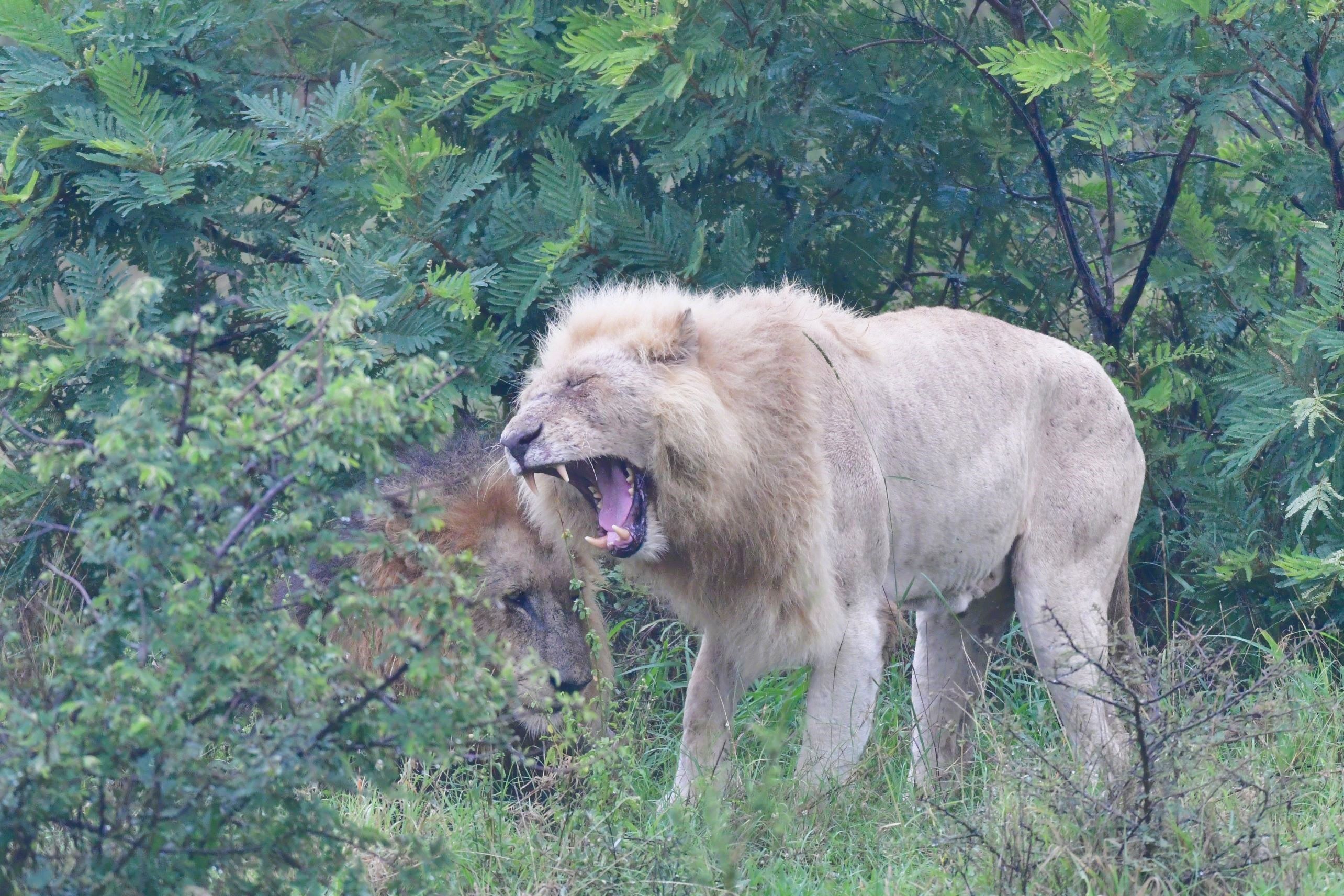 Casper, the famous white lion that can be found around Satara.
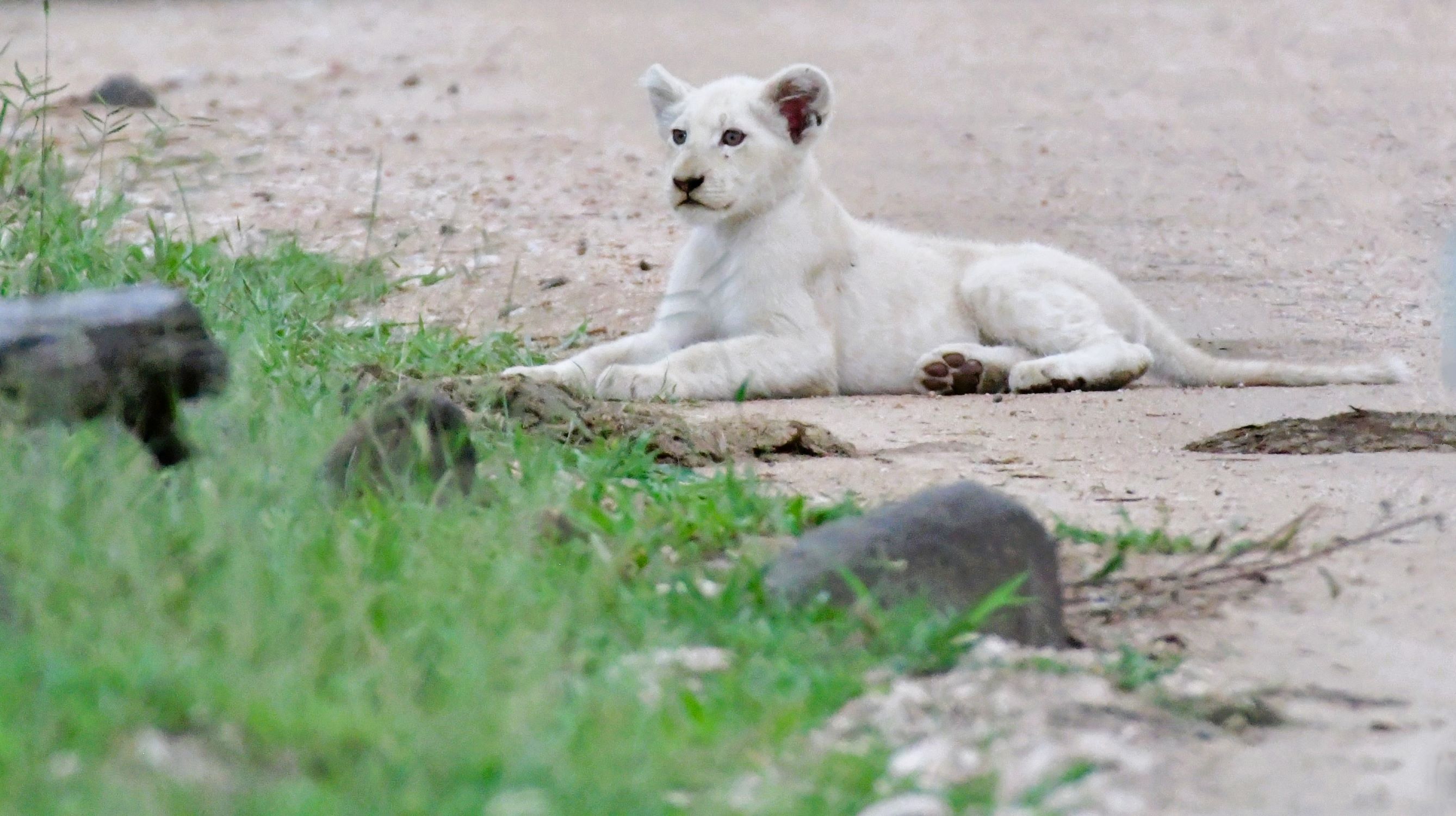 White lion cub of the Birmingham pride - photographed at the Tamboti / H7 intersection
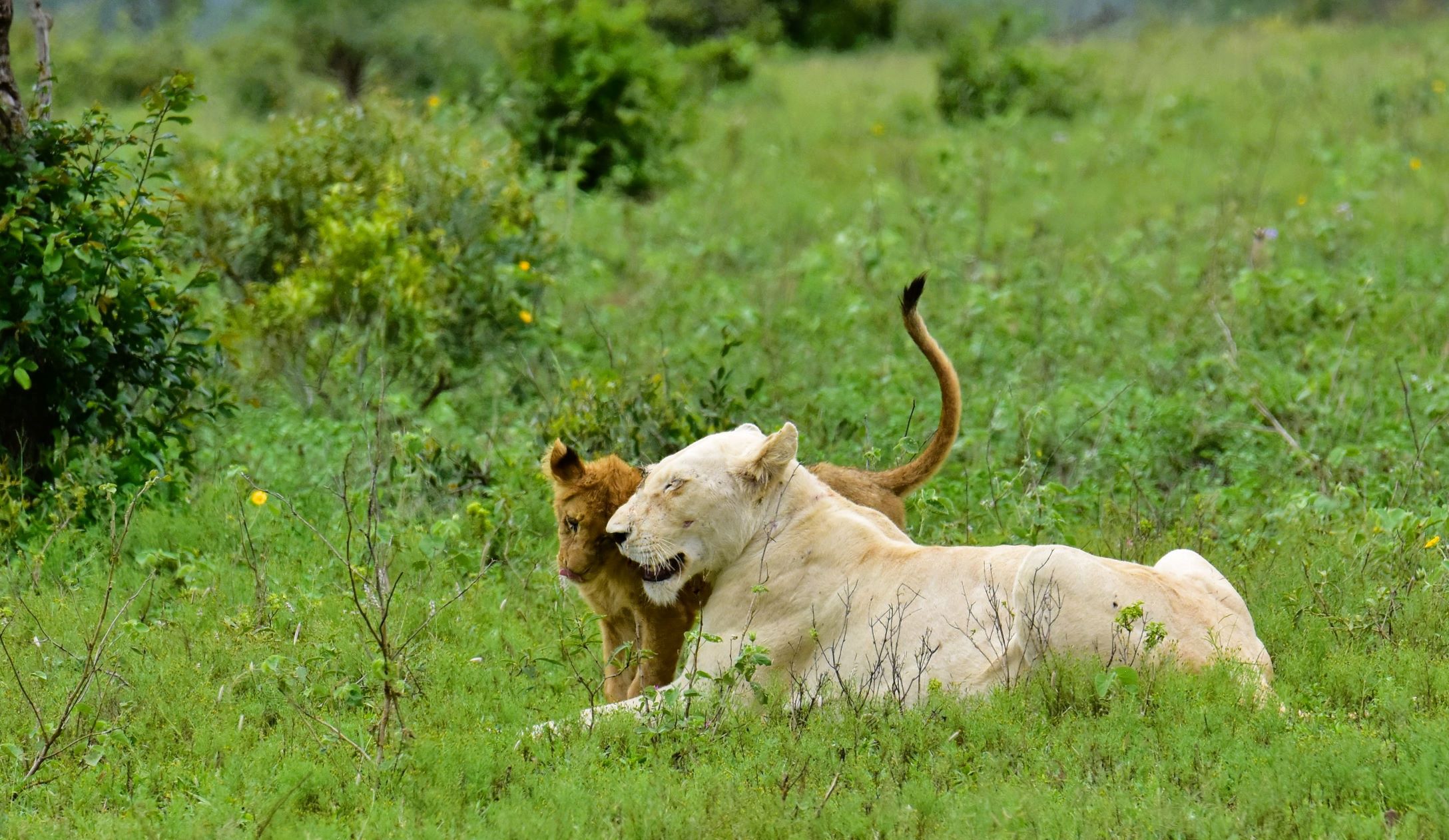 White lioness of the Birmingham pride, photographed between Orpen and Tamboti camps
• Then within the Kruger Park itself there are concessions - areas that are either community-owned or have been 'loaned' to companies who have built lodges (and camps for people who enjoy 'glamping' - camping in luxury) and can stay for a certain time period. In return they pay SANParks a percentage of their profits. Some of the more popular lodges are:
Pafuri Camp (north)
Imbali Safari Lodge (central)
Hamiltons Tented Camp (central)
Hoyo Hoyo Safari Lodge(central)
Lukimbi Safari Lodge (south)
Nkambeni Safari Camp (south)
Buffalo Rock Tented Camp (south)
Tented Adventures Pretoriuskop (south)
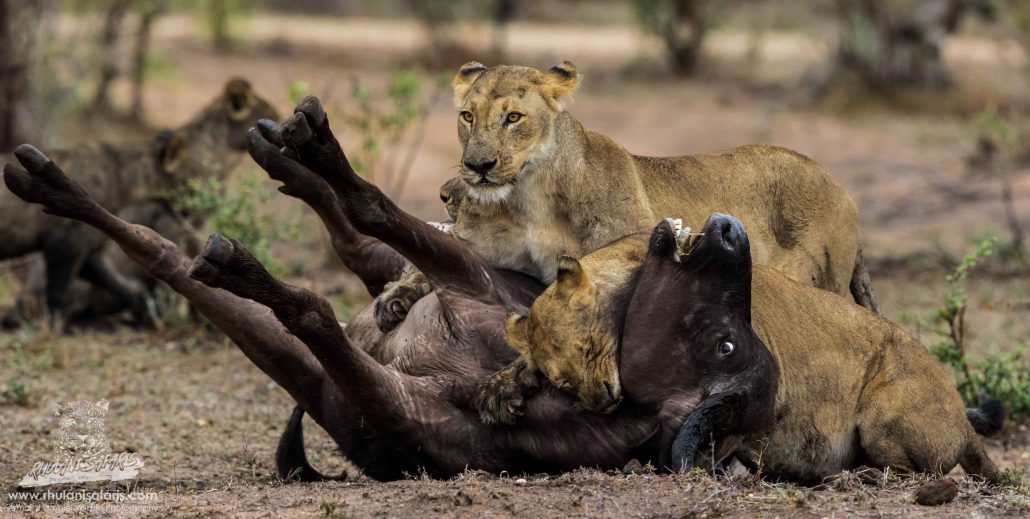
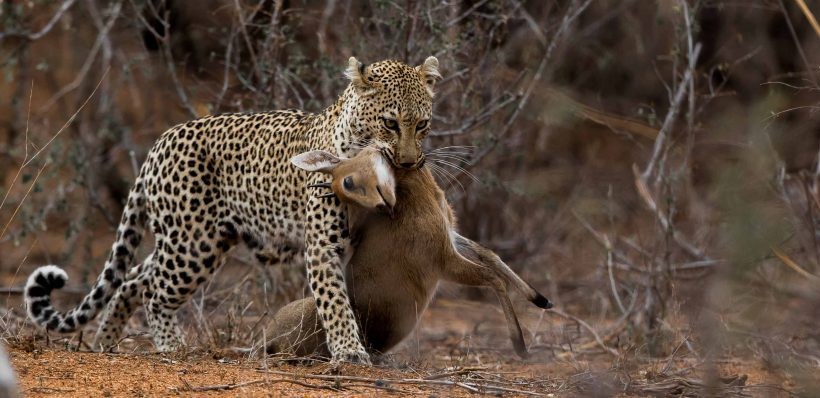
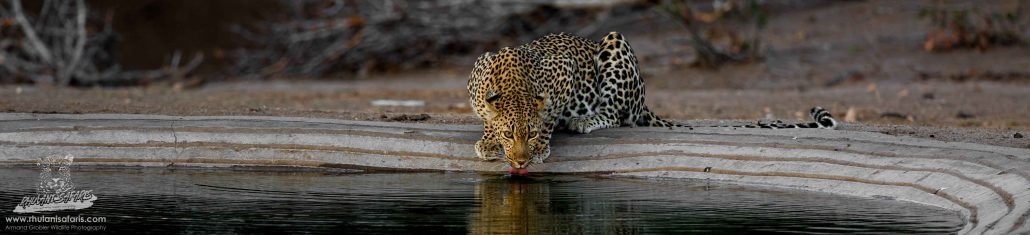
Manyeleti Big Cat Photographic Safaris!
Northern Kruger Park
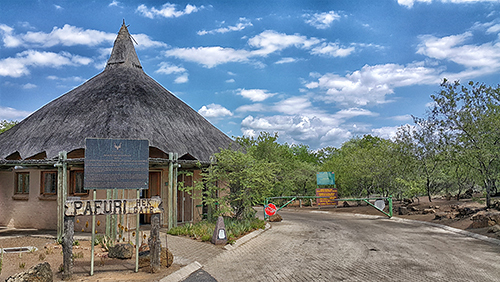
In the Northern Kruger, for people who are more adventurous, there is Pafuri River Camp located on the banks of the Mutale River, just before it joins the Luvuvhu River and just a few minutes drive from the Pafuri Gate.
Then there is Singo Safari Lodge that is located in the Makuya Game Reserve, which borders the northern Kruger Park along the Luvuvhu River. In Makuya there is also Mutale Falls Camp.
Awelani Lodge is located 12 kms from the Pafuri gate and 30 kms from Makuya and also forms part of the African Ivory Route that offers accommodation in rustic, out-of-the-way places. We have stayed at most of their lodges and safari camps and highly recommend them!
You could also use Punda Maria Gate to reach these lodges - it just means you'll travel more inside the park.

Central Kruger Park
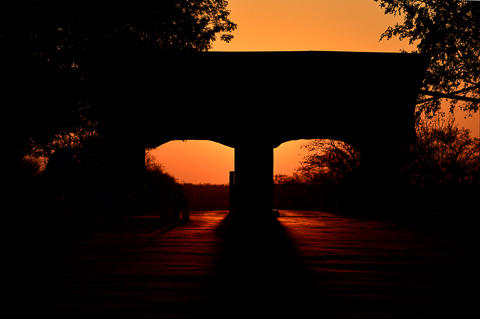
In the Central Kruger area there are many lodges and guesthouses near Phalaborwa Gate...
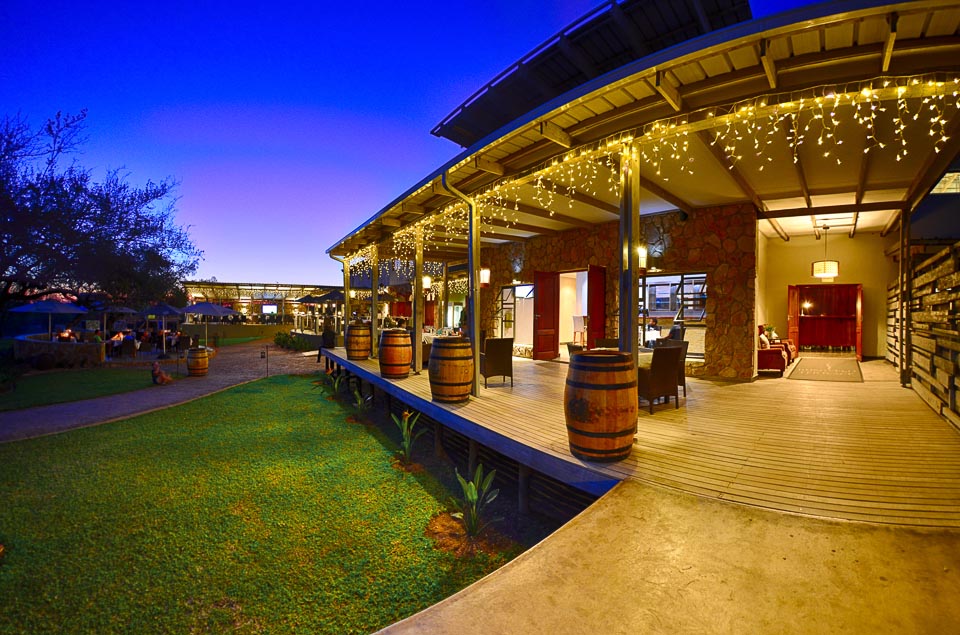
near Orpen Gate:
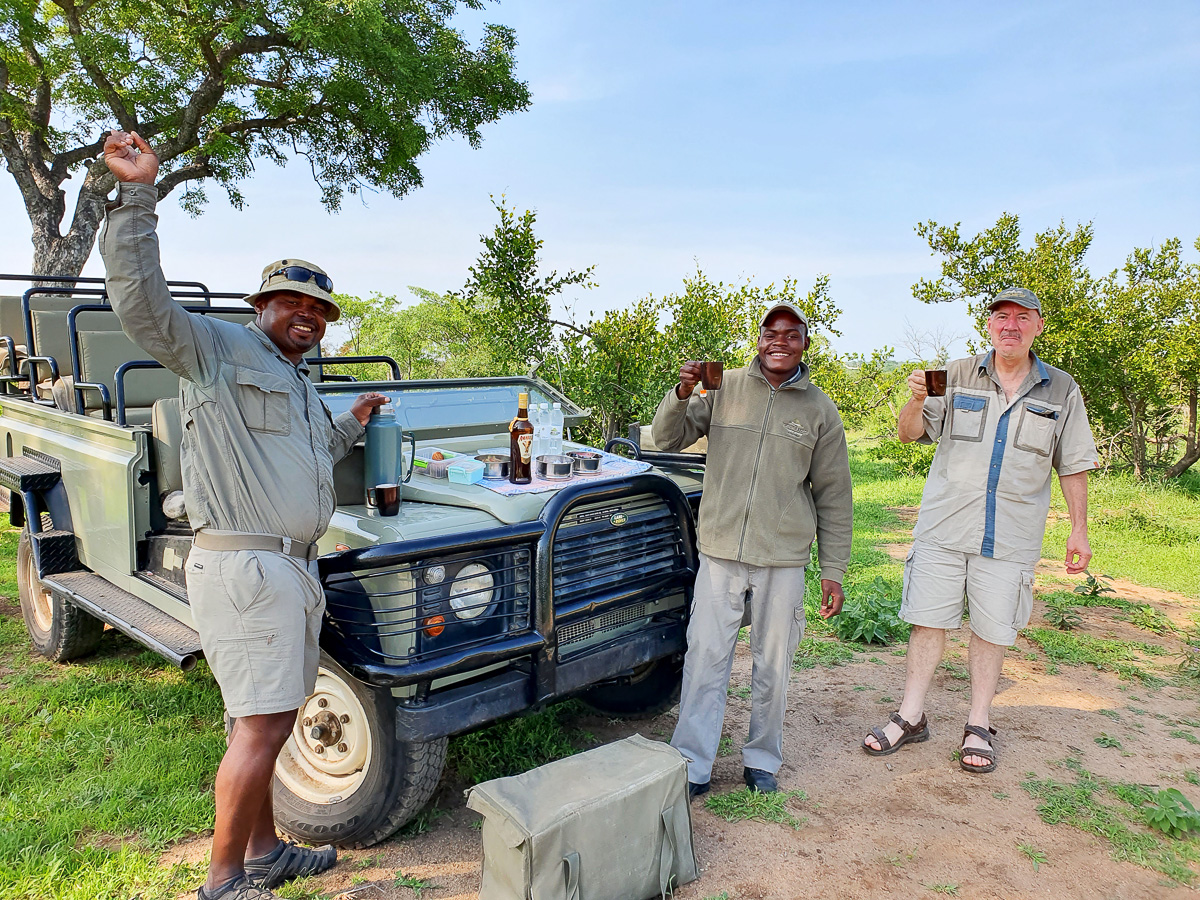
and one near Giriyondo Gate in Mozambique:
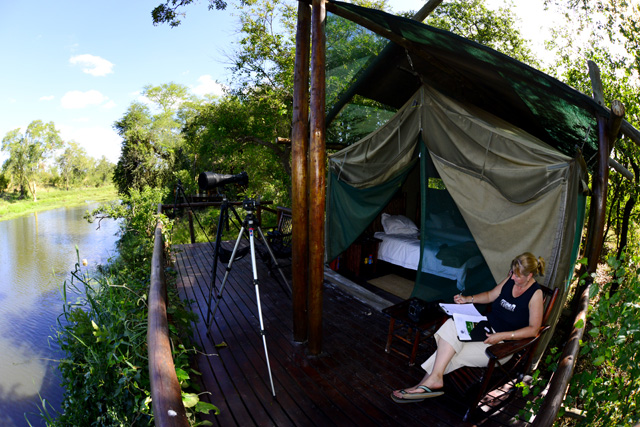
Southern Kruger Park
In the Southern Kruger the following hotels provide easy access to the Paul Kruger & Phabeni Gates:
They are all located in and around Hazyview.
Nkambeni Safari Camp and Buffalo Rock Tented Camp are both situated at Numbi Gate on a community-owned concession.
Other options include Greenway Woods Resort, Hulala Lakeside Lodge, Ambiance Inn and, Hamilton Parks Country Lodge all in or near White River.
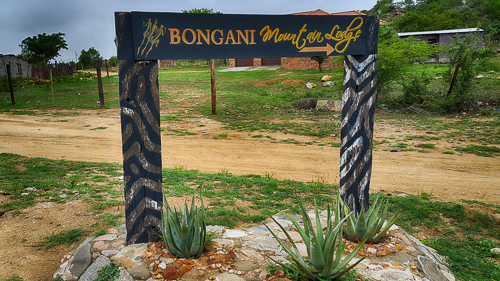
Then there is Bongani Mountain Lodge, which is located in a private reserve on the south-western border of the Kruger Park, just before Malelane.
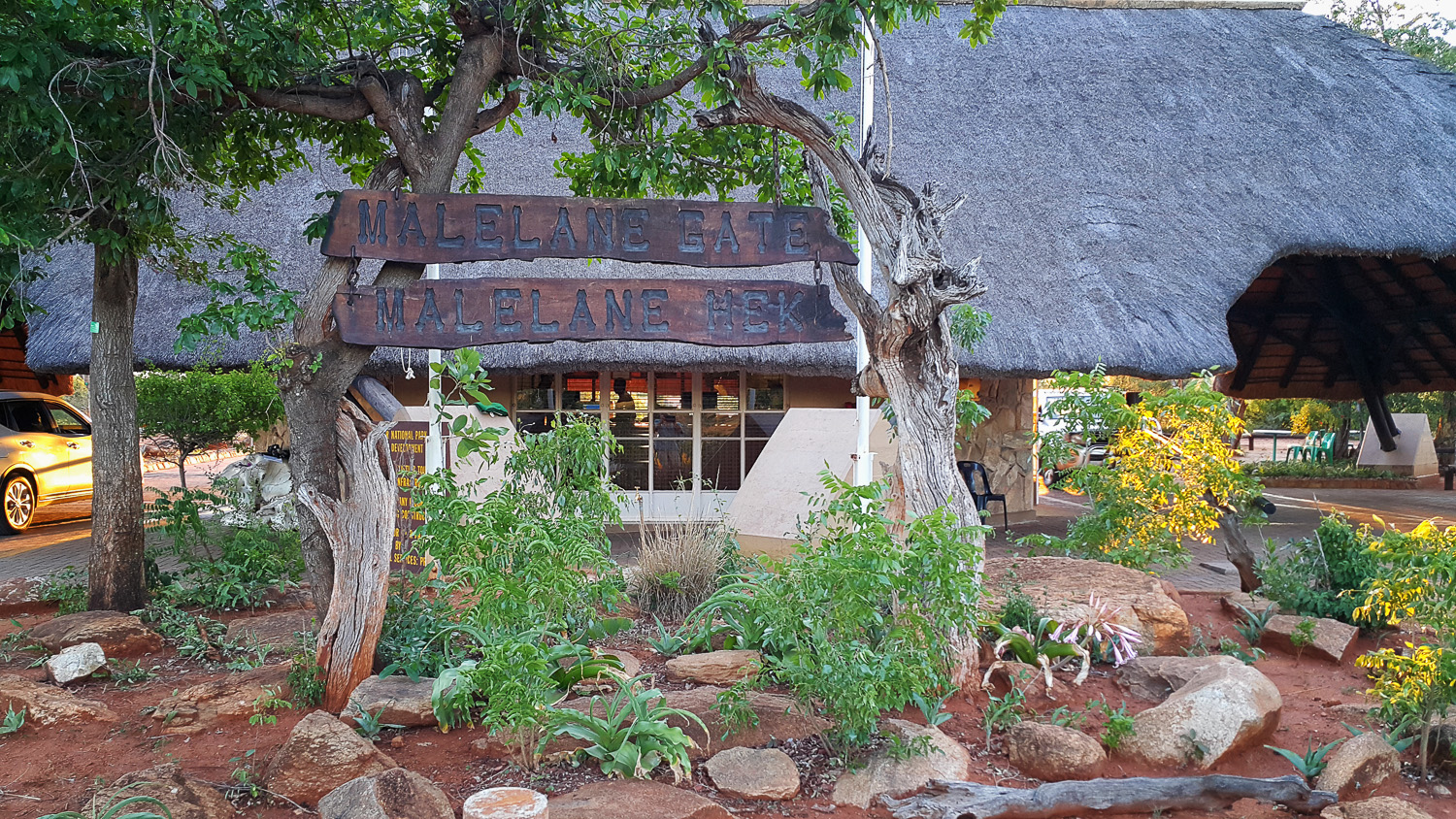
If you prefer to stay closer to the Mozambique in the far south, then you can look at Tambarina Restaurant & Guesthouse or the Stoep Cafe Guesthouse, which are situated in Komatipoort (Crocodile Bridge Gate). Then there is Kambaku River Lodge and Rio Vista Lodge both situated on the Crocodile River in Malelane or Mhlati Cottages and Hamilton's Lodge & Restaurant very close to the Malelane Gate.
Boulders Safari Lodge is situated between Malelane and Crocodile Bridge gates but is closer to Malelane.
• In addition, the KNP now forms part of the Greater Limpopo Transfrontier Park, which includes parts of Mocambique and Zimbabwe
• The KNP is arguably Africa's most visited game reserve with nearly 2 million visitors per annum
• The diverse geology and landscapes of the KNP are classified in fifteen ecozones
• There is over 850 kilometers of tarred roads in the Park, 1444 kilometers of good gravel roads and more than 4200 kilometers of fire break roads
• There is a variety of accommodation from camping in tents and caravans to budget huts through to more expensive family cottages and the private lodges. There are 12 main rest camps, 5 bushveld Camps, 4 satellite camps and 2 bush lodges in the KNP
• Each main camp has a well-stocked shop, restaurant, and petrol station
• It has the Big-five: lions, leopards, elephant, rhino, and buffalo. It's estimated that the Sabie River in the Kruger Park has the highest density of leopards in Africa
• There are some famous animals that make the Kruger Park so unique, like the Magnificent Seven Elephants and the De Laporte Leopard.
• It has Africa's Super-Seven: the big-five plus cheetah and wild dog - to read an article we wrote for PhotographyBB Magazine on Photographing Africa's Super-Seven in the Kruger Park please click here
• The Kruger Park also has the Elusive-Eleven: the rare, mainly nocturnal, animals such as genets, caracal and civet.
• It has an awesome species diversity; 507 birds, 336 trees, 147 mammals, 114 reptiles, 49 fish, 34 amphibians and 1982 species of plants
• It is one of the few remaining affordable big-five holiday destinations for the average person
• You have a choice between self-drive or guided game drive and the Kruger self-drive tends to be the best self-drive experience as the roads and maps are great!
• You have many Kruger self-drive books to choose from to help you learn about the park, then find and photograph the subjects. Many are available as eBooks to help with luggage weight and space!
• There are many tours and activities; such as night drives, bush walks, 4X4 trails, wilderness trails (the Pafuri Walking Trail is amazing!) and other adventures to choose from.
• The Kruger produces many natural soundscapes, which you can listen to on this page. Sounds of lions, leopards, kingfishers and more.
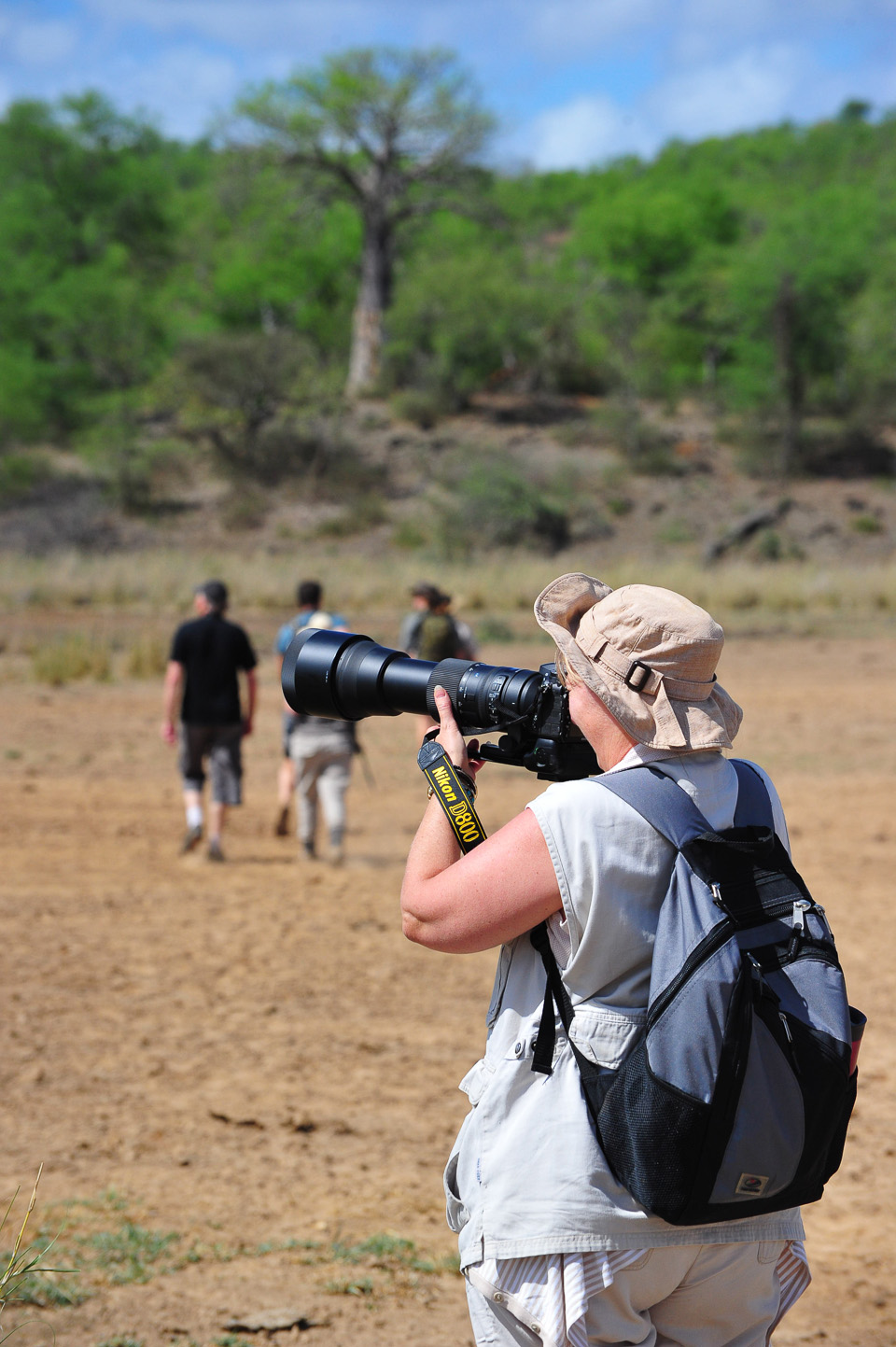
• Wildlife Photography can be a challenge as the bush gets very dense but our hints and tips should ensure you are able to return home with some good photographs!
• Yes, the park does get busy, there is petty crime (like most other parks and game reserves), and some people say that the park can feel like a zoo or circus. Well if you do a bit of research and take a few precautions and follow our advice, all these reservations can disappear and you will have a true wilderness experience, with minimal conjestion at sightings and you will return home with all your posessions!
• To see some of our nature photographs taken in the Kruger park, please visit the Kruger Gallery page and also read our interview with Nigel Dennis a professional wildlife photographer who has published at least half a dozen books just on the Kruger Park and its animals.
• To get a feel for the park please check out our
Trip Reports
• And don't forget to purchase or renew your Wild Card! You will save a lot of money on conservation fees, especially if your Kruger safari is more than five or six nights...

Kruger Park Maps
Dowload Kruger Park and Camp Maps Here
Share Your Park Stories
Return from Kruger Park to Kruger-2-Kalahari Home Page




 Subscribe To This Site



To make a safari rental booking in South Africa, Botswana or Namibia click here
"It's 768 pages of the most amazing information. It consists of, well, everything really. Photography info...area info...hidden roads..special places....what they have seen almost road by road. Where to stay just outside the Park...camp information. It takes quite a lot to impress me but I really feel that this book, which was 7 years in the making, is exceptional." - Janey Coetzee, founder of CAROK (Camps and Roads of Kruger) South Africa
"Having a passion for the region itself and having to know about all dynamics, water holes and ideal roads for a period of 6 years - I wish I had this guide on my first trip already!" - Morkel Erasmus, Secunda, South Africa
"Mario and Jenny take you to places that are not always visited, and their descriptions of the more remote camps will allow you to make an informed decision without wasting time and money" - Bob & Sherry Shepardson, DeBary, Florida, USA
"Your time and money are valuable and the information in this book will help you save both." - Don Stilton, Florida, USA
"I highly recommend the book to anyone visiting Etosha National Park to photograph the animals - or anyone considering an African photography safari in the future." - Anne Darling, Cognac, France
"As a photographer and someone who has visited and taken photographs in the Pilanesberg National Park, I can safely say that with the knowledge gained from this eBook, your experiences and photographs will be much more memorable." - Alastair Stewart, BC, Canada
"This work is so much more than an eBook, because it is also a guide, a tutorial, an inspiration and a must-have for anyone interested in wildlife photography" - Findtripinfo.com, USA
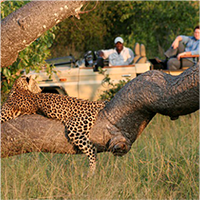
Photo Safaris on a Private Vehicle - just You, the guide & the animals!
New! Comments
Have your say about what you just read! Please leave us a comment in the box below.