Etosha National Park
'Etosha' - the name conjures up images of a wilderness of stark, wide-open spaces and that's exactly what this Namibian National Park is - the crown jewel of Namibian Parks.
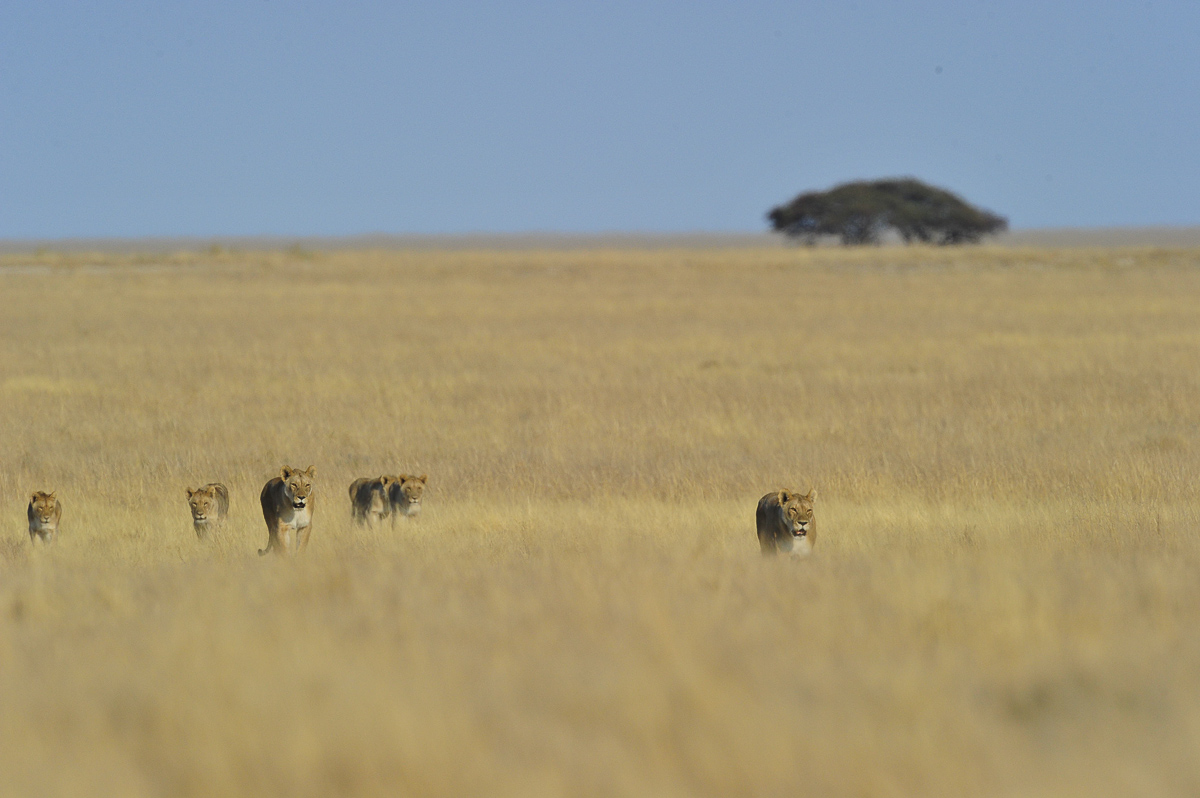
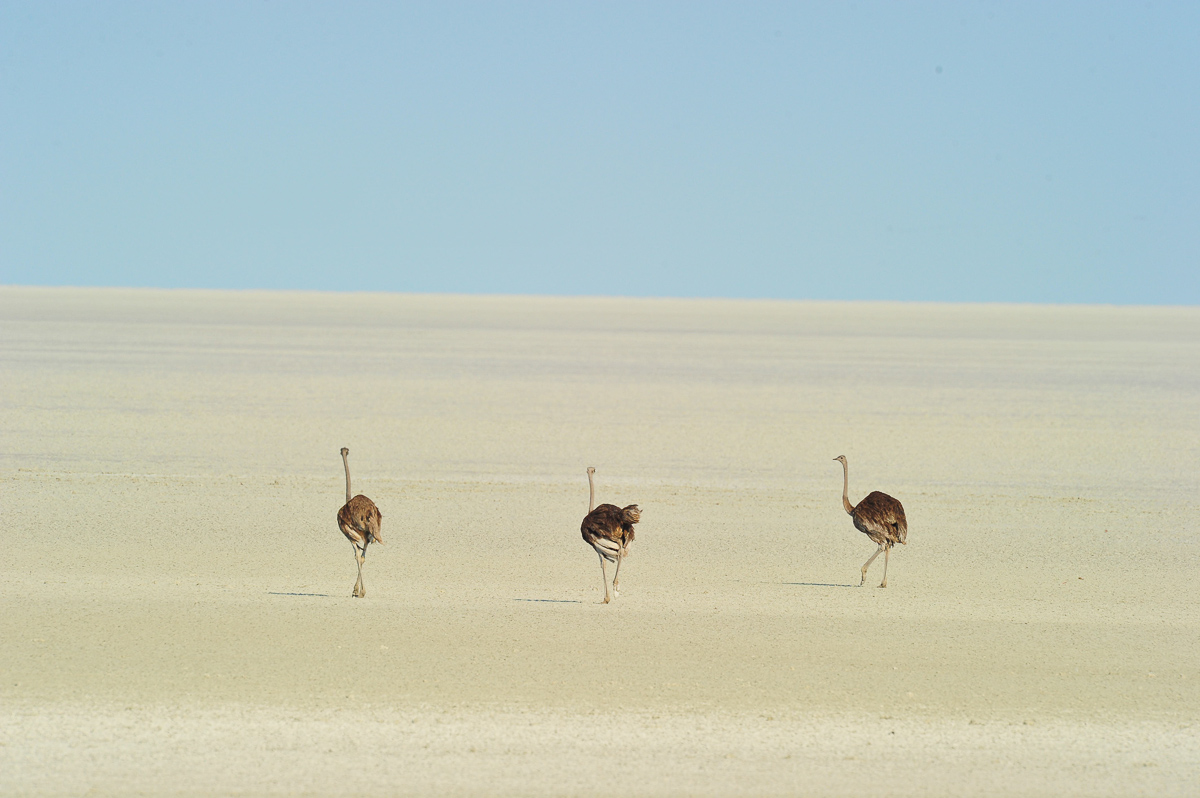
Here are some facts on the Park and what we like about it:
The park was proclaimed in 1907 by the then Governor of German South West Africa.
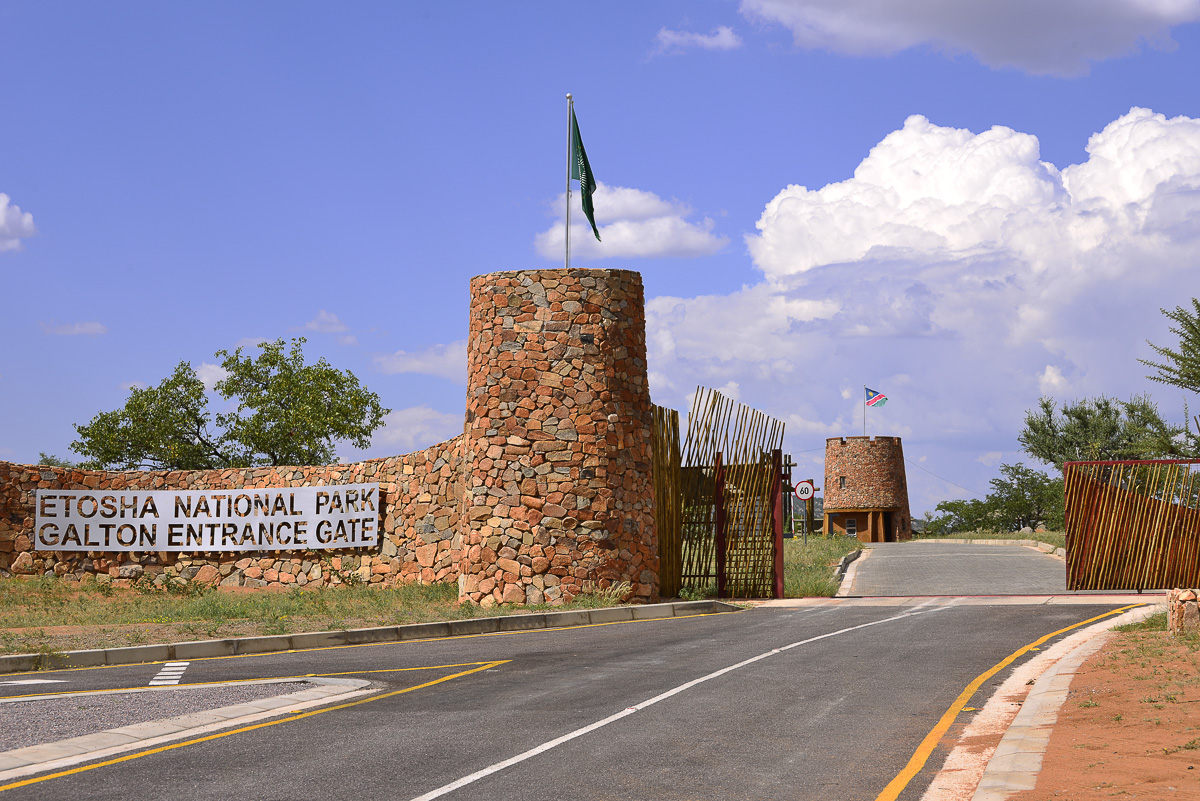
There are 4 entry gates to the park - King Nehale Gate in the north, Von Lidquist Gate near Namutoni in the east, Andersson Gate near Okaukuejo in the south, and Galton Gate near Dolomite in the west. Galton gate used to be closed to the public and only people staying at Dolomite were allowed to use the gate but from 28 February 2014 Galton Gate was opened to all tourists! This means any visitor who wants to experience the previously restricted west of the park can do so without having to stay at Dolomite camp.
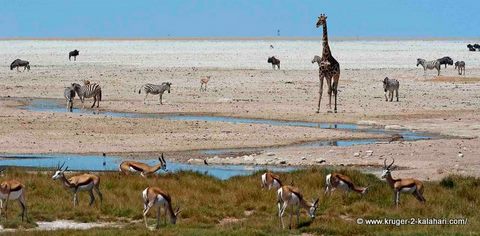
The park is built around the huge salt pan, which takes up about 21% of the park.
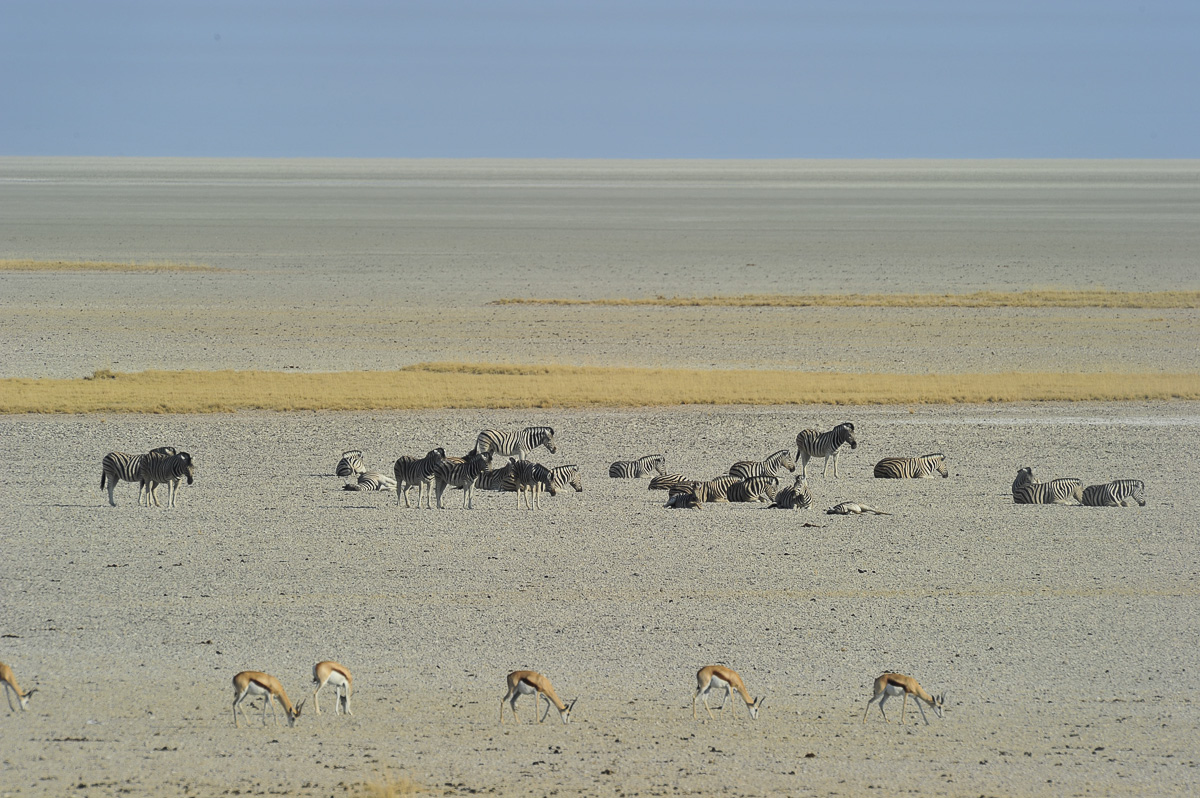
Even though most of the park is the salt pan, the surrounding sweet grass plains support the majority of the animals...
For self drive or guided safaris to Namibia contact Your Safari
|
"Thank you for sending me the updated Etosha eBook at no cost! The extra seventy pages with new lessons and featuring nice lodges outside the park really makes the book an indispensable resource for visitors." - Klaus Schmidt, Germany |
Etosha National Park has three main rest camps;
they are situated on these grass plains to the east and south of the pan....
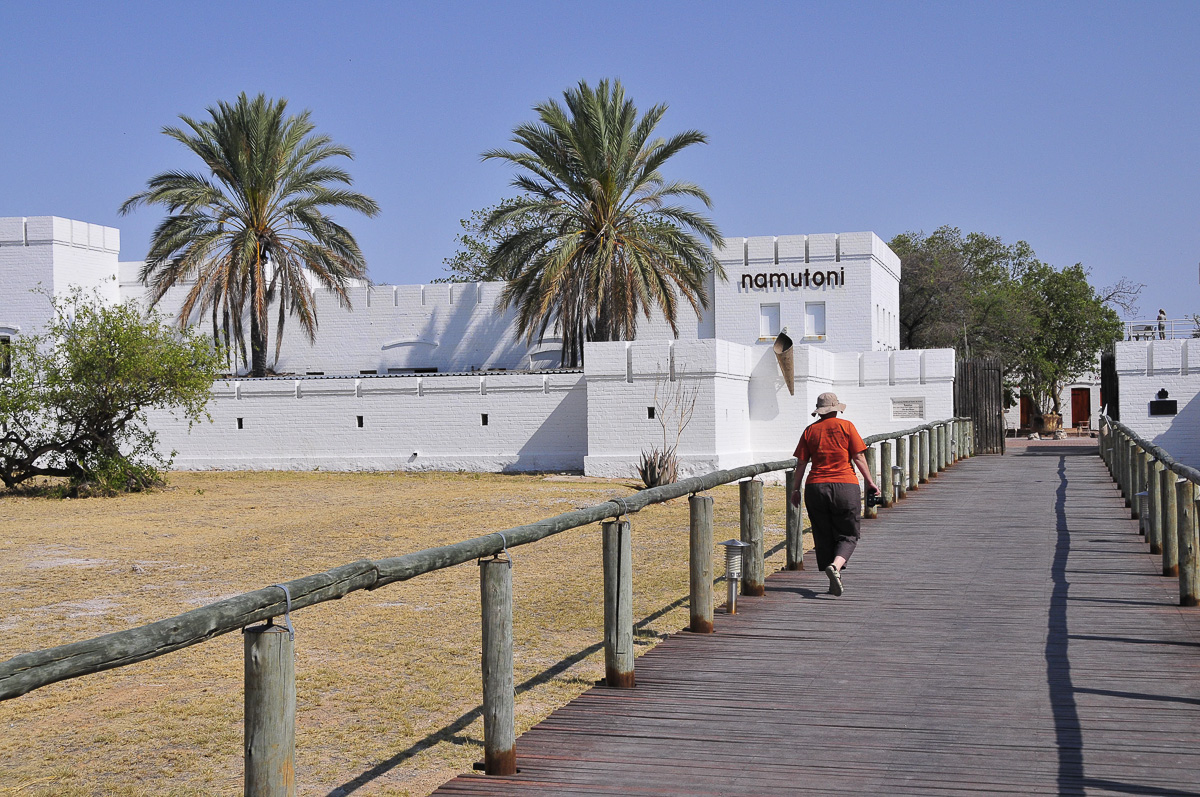
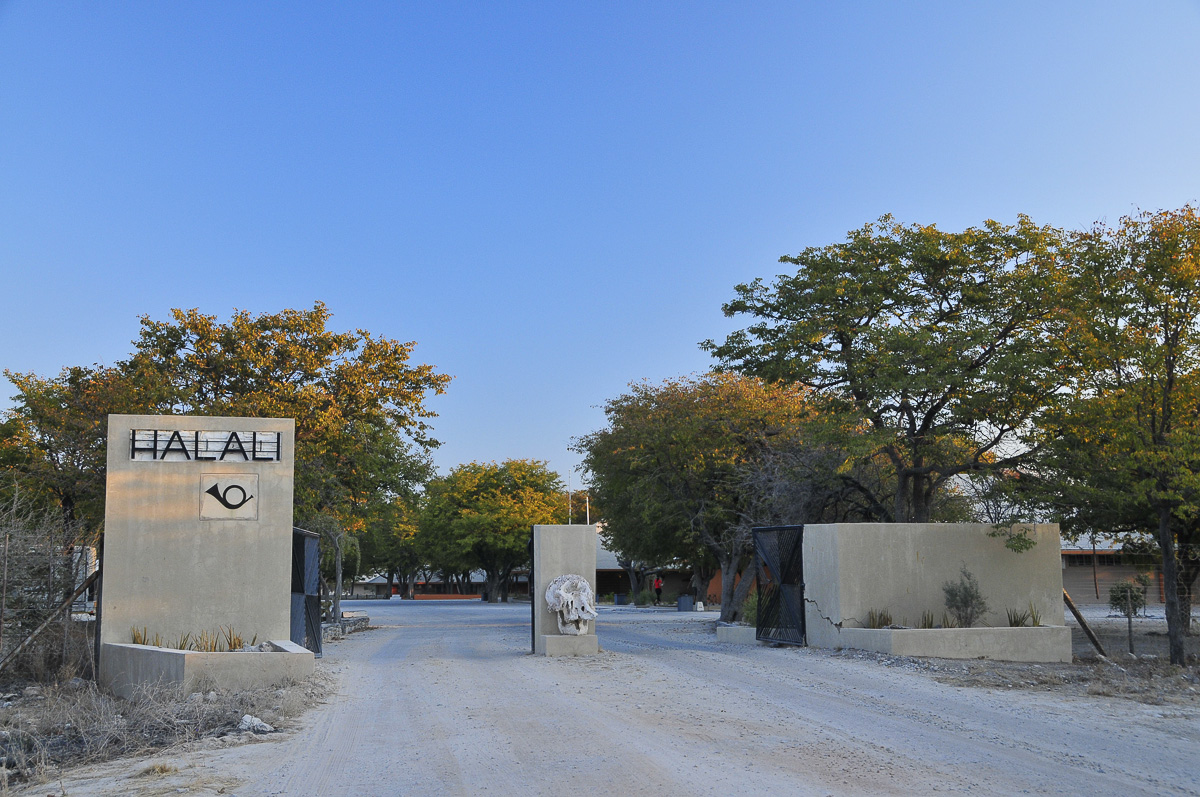
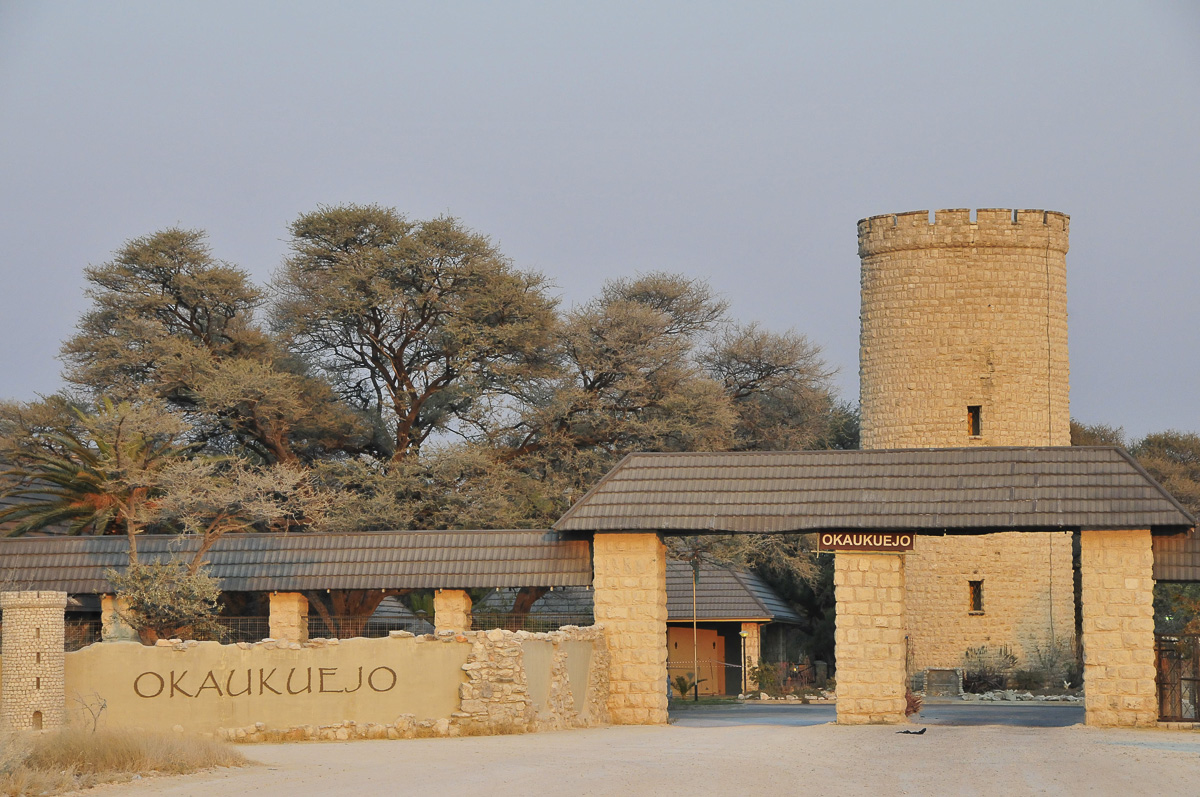
Etosha also has an upmarket lodge inside the park called Onkoshi which opened in 2008 and is situated north of Namutoni....
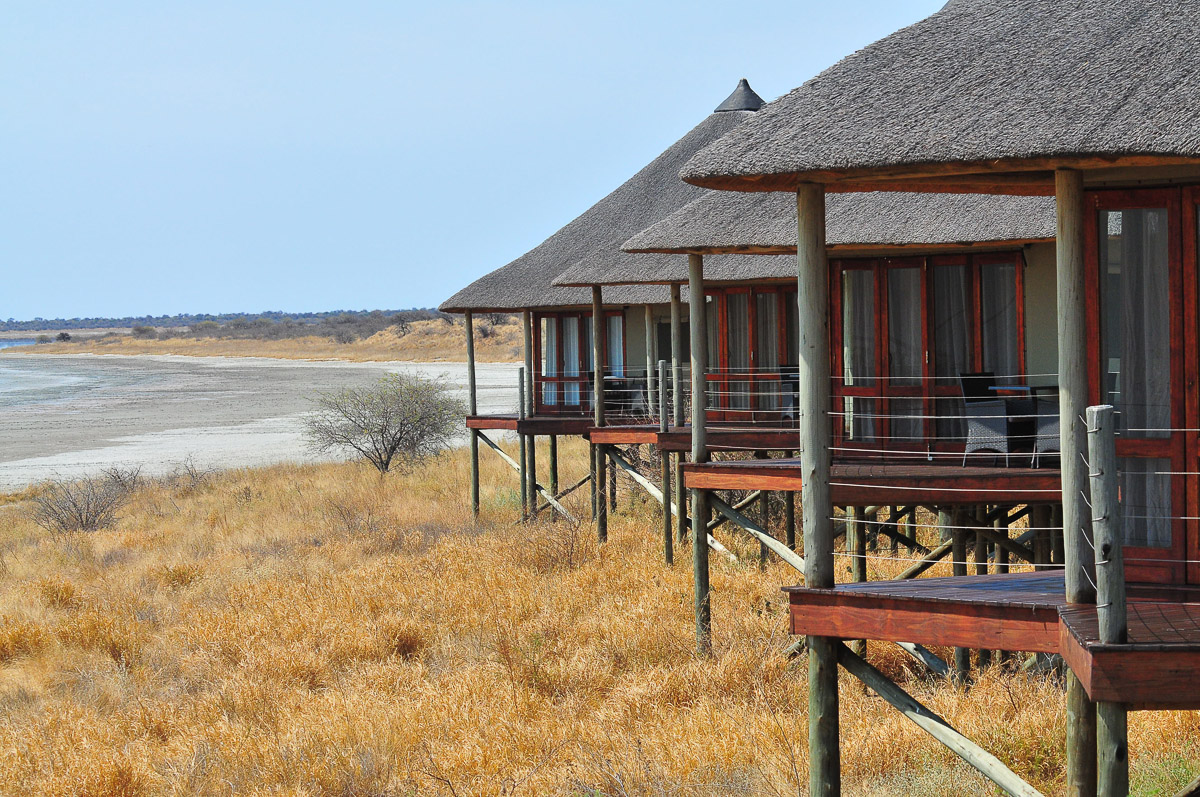
In June 2011 Dolomite Camp opened in the most scenic area, on the far western part of the park. Dolomite camp offers 20 chalets- 3 Deluxe chalets with their own plunge pools and 17 standard bush chalets...
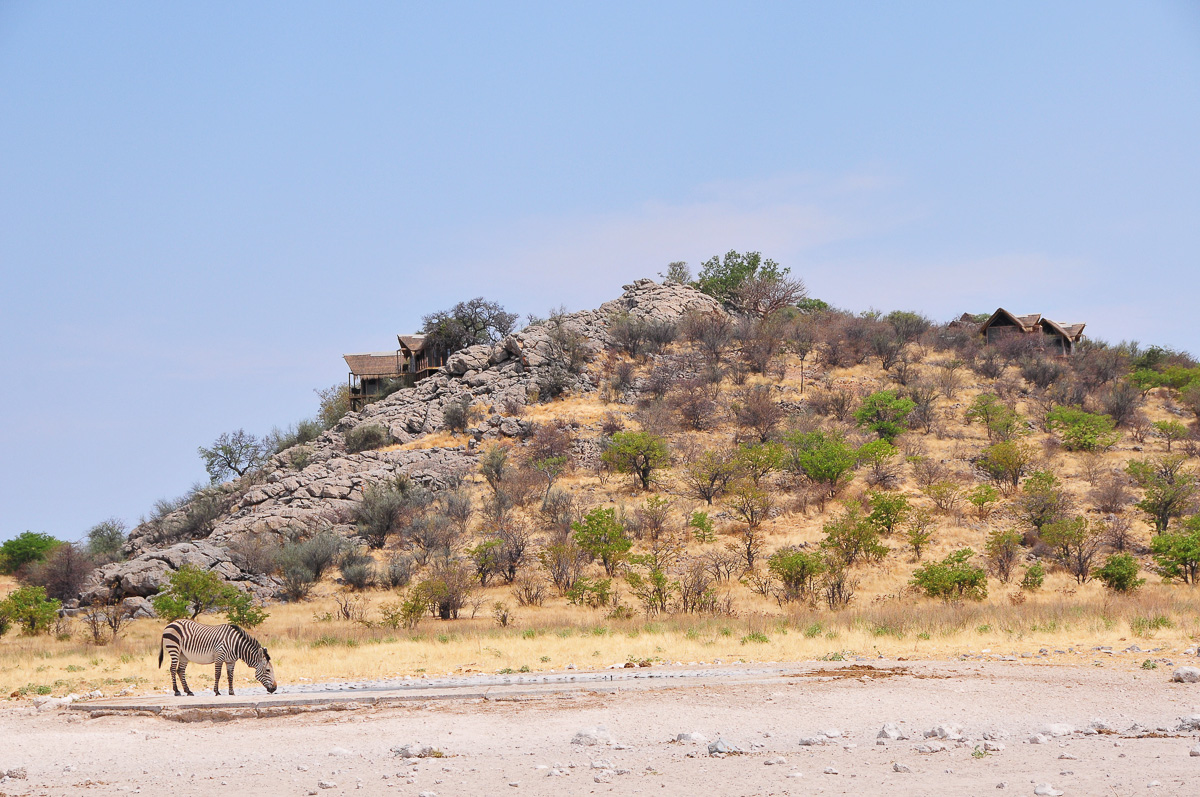
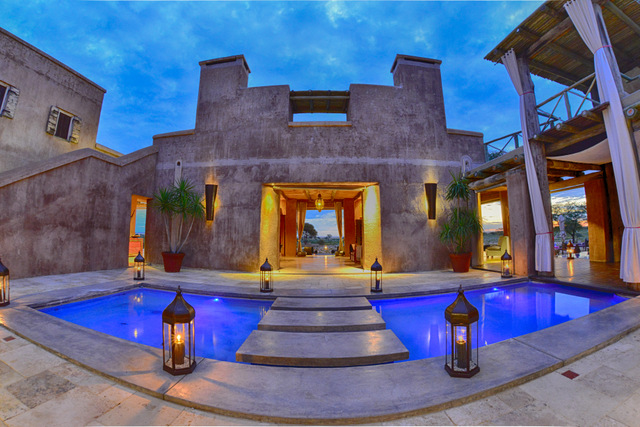
If you prefer to stay outside the park then you have a choice of Onguma The Fort which is situated near Namutoni on the eastern border of the park or Etosha Safari Lodge and Etosha Safari Camp , both situated near Okaukuejo on the southern border and, near Dolomite camp on the western border, Toko Lodge.
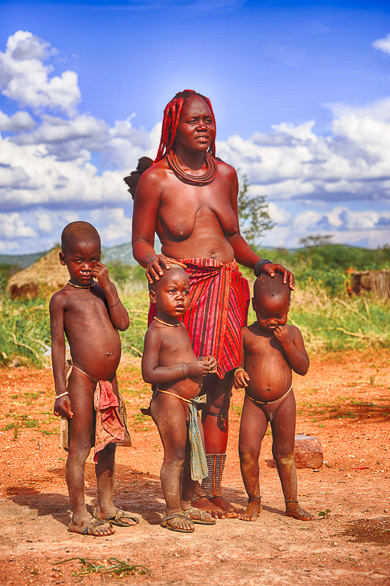
Visiting Etosha also provides opportunities for people to visit Himba villages, like the Himba village at Toko Lodge.
Stopovers are also an important part of your safari and it's crucial that you choose them wisely. Here we list some of our favorites to and from Etosha.
The image below is one of the suite bedrooms at Olive Exclusive in Namibia.


The park is well-known for its waterholes and each of the three main camps has one; Halali and Okaukuejo camps produce such good game sightings, visitors can sit throughout the day and watch procession after procession of game coming down to drink, however the waterhole at Namutoni Camp is generally not good for game viewing......
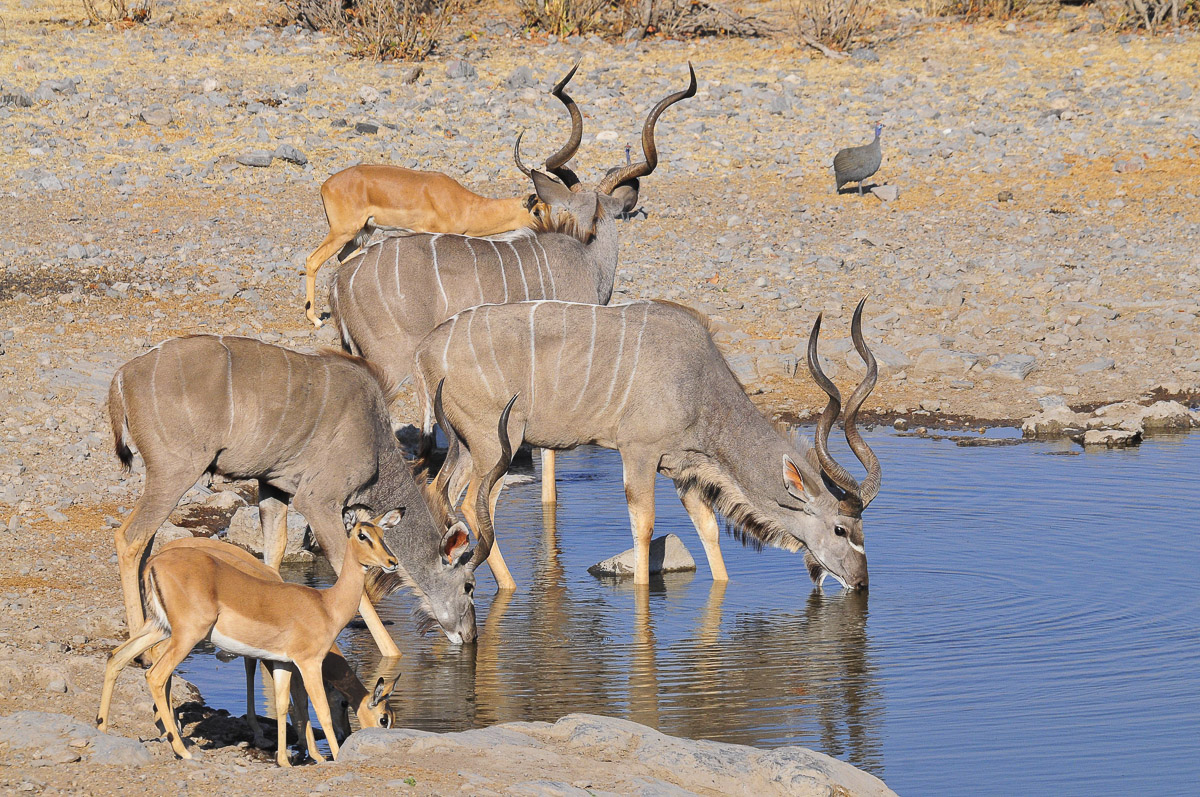
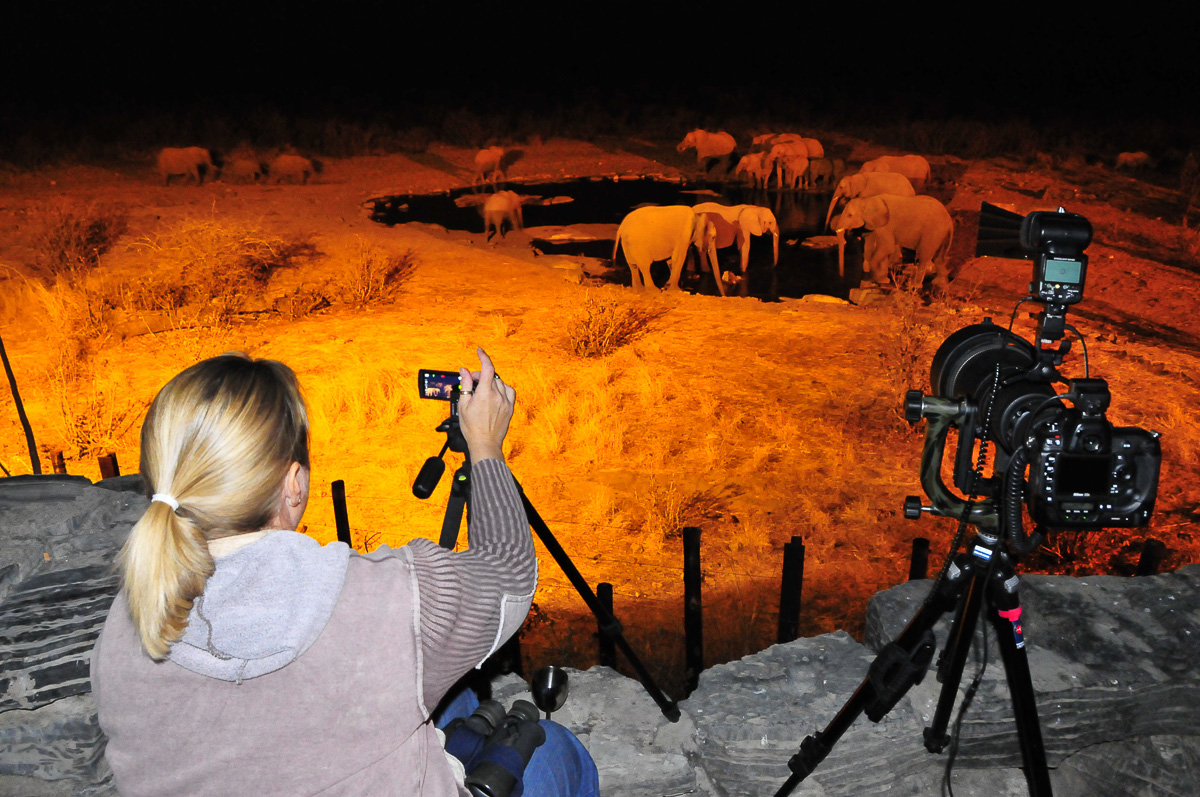
You can even sit through the night as each waterhole is floodlit. We have seen leopard, lion, black rhino and elephant at the Okaukuejo and Halali camp waterholes at night....
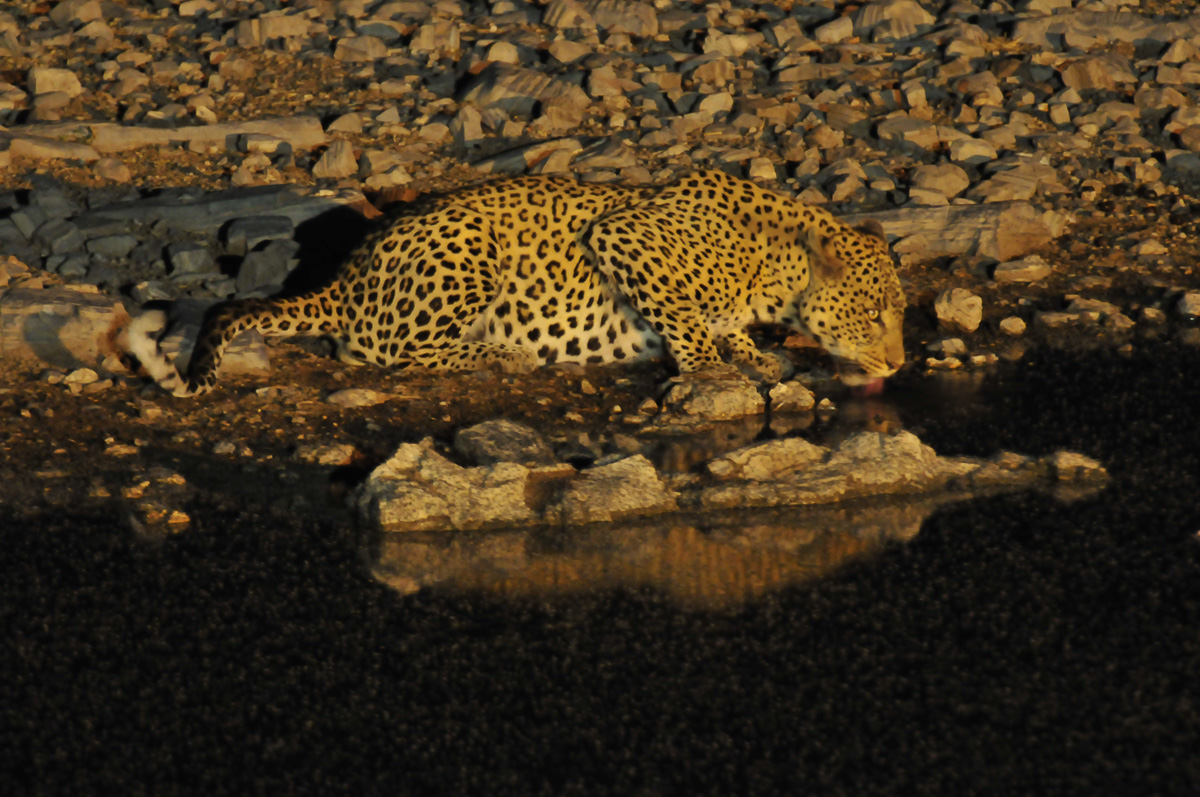
This picture shows a black rhino drinking at Okaukuejo waterhole after the sun has set. You will notice the pink afterglow in the water (no filters or Photoshop additions here)

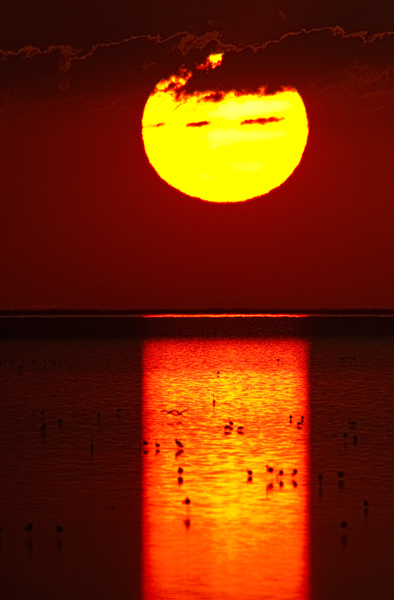
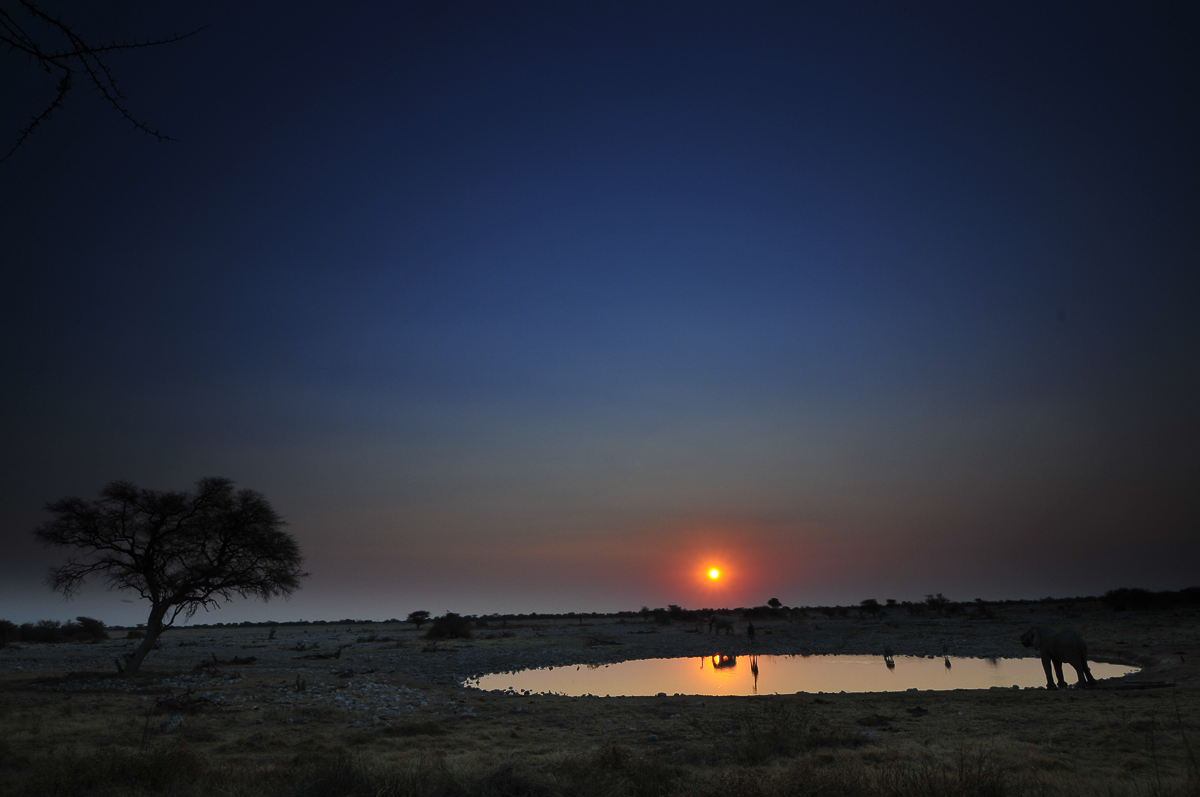
the waterholes in camp also make for great landscape photographs, like at sunset....
The natural springs and man-made waterholes surrounding the pan to the South and East support the many different game species and make the park a photographer's paradise in the winter months.....
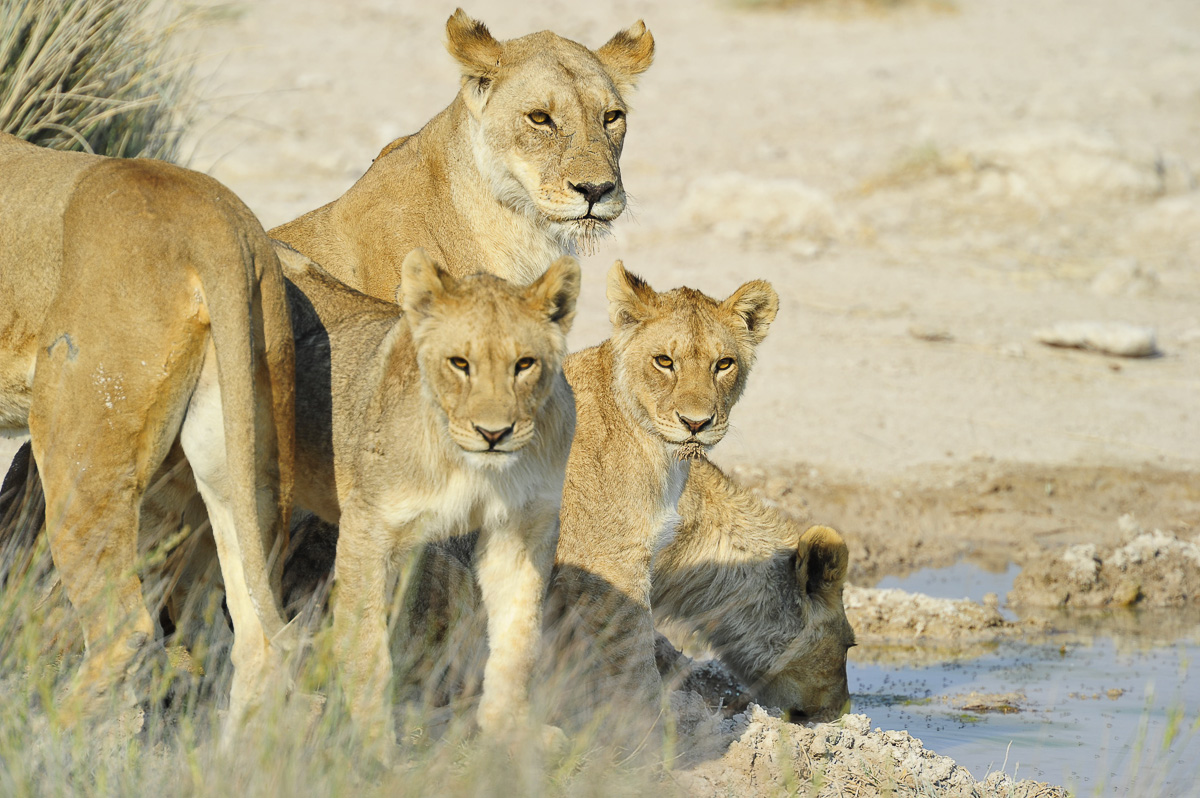
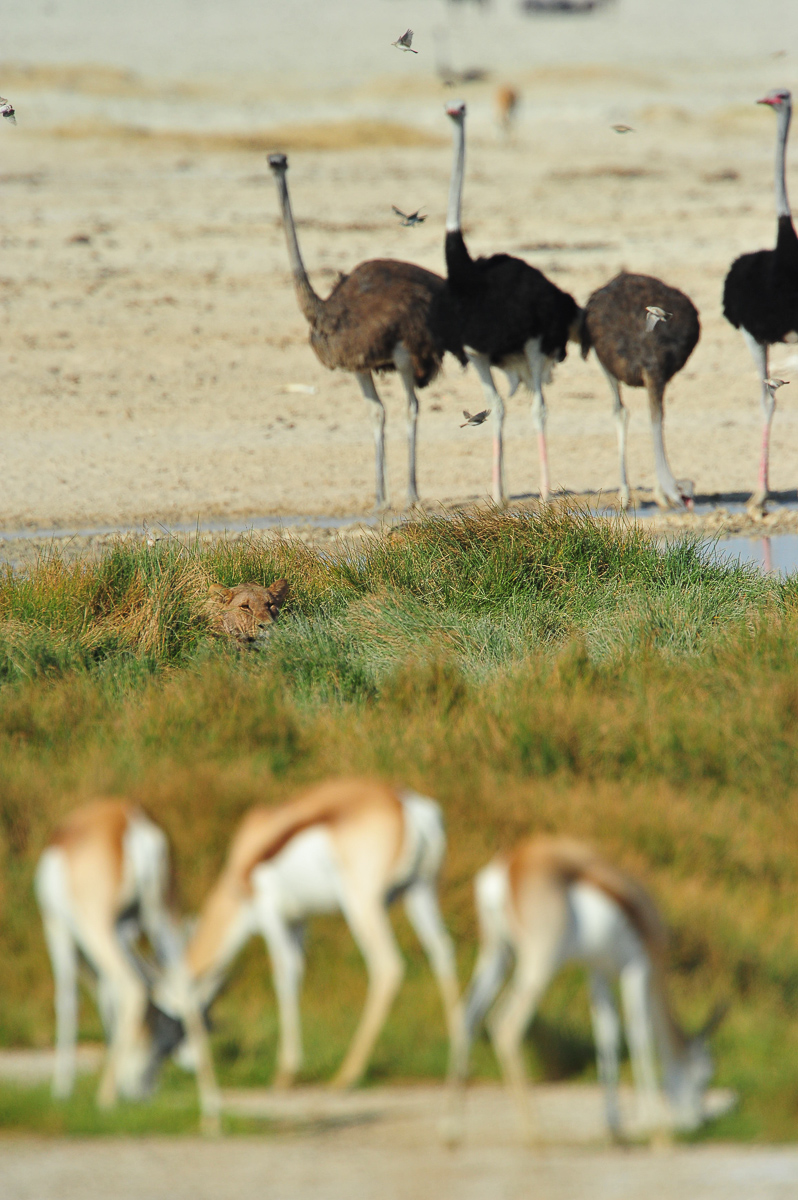
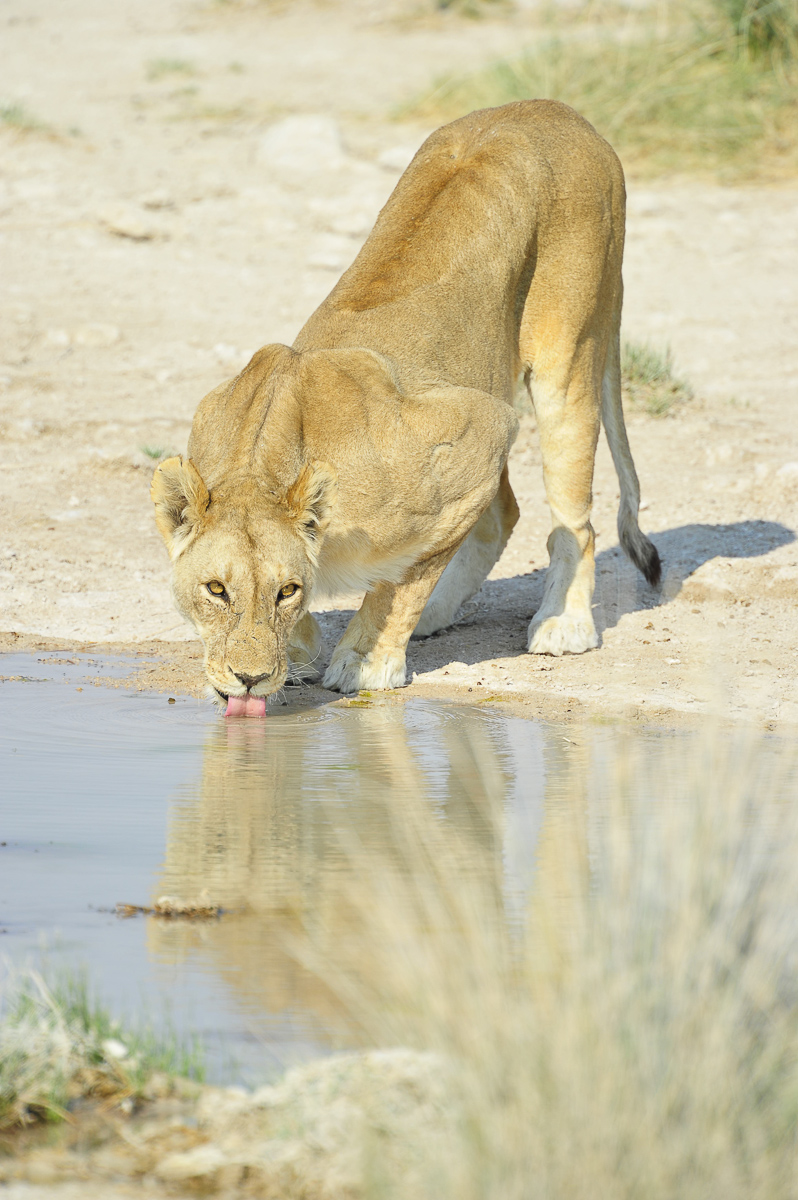
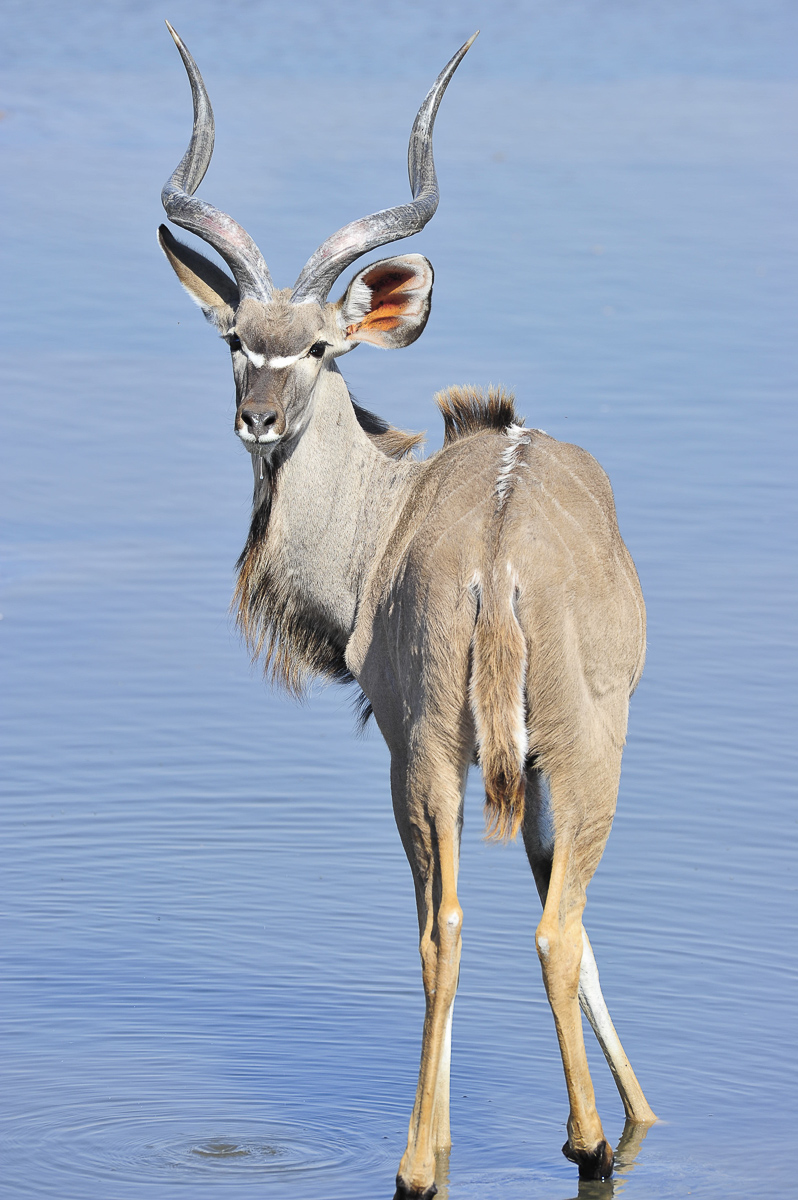
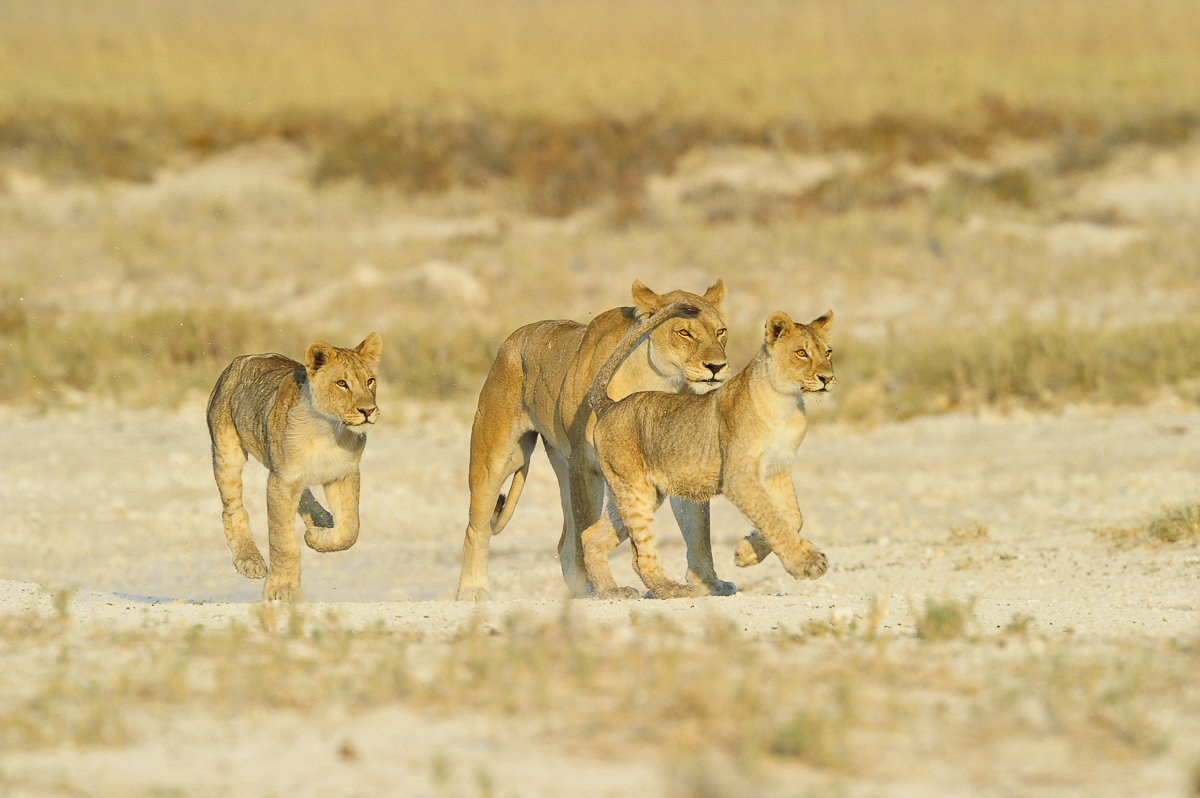
The park's 'big-five' comprise the lion, leopard, elephant, rhino and cheetah (there are no buffalo in the park)
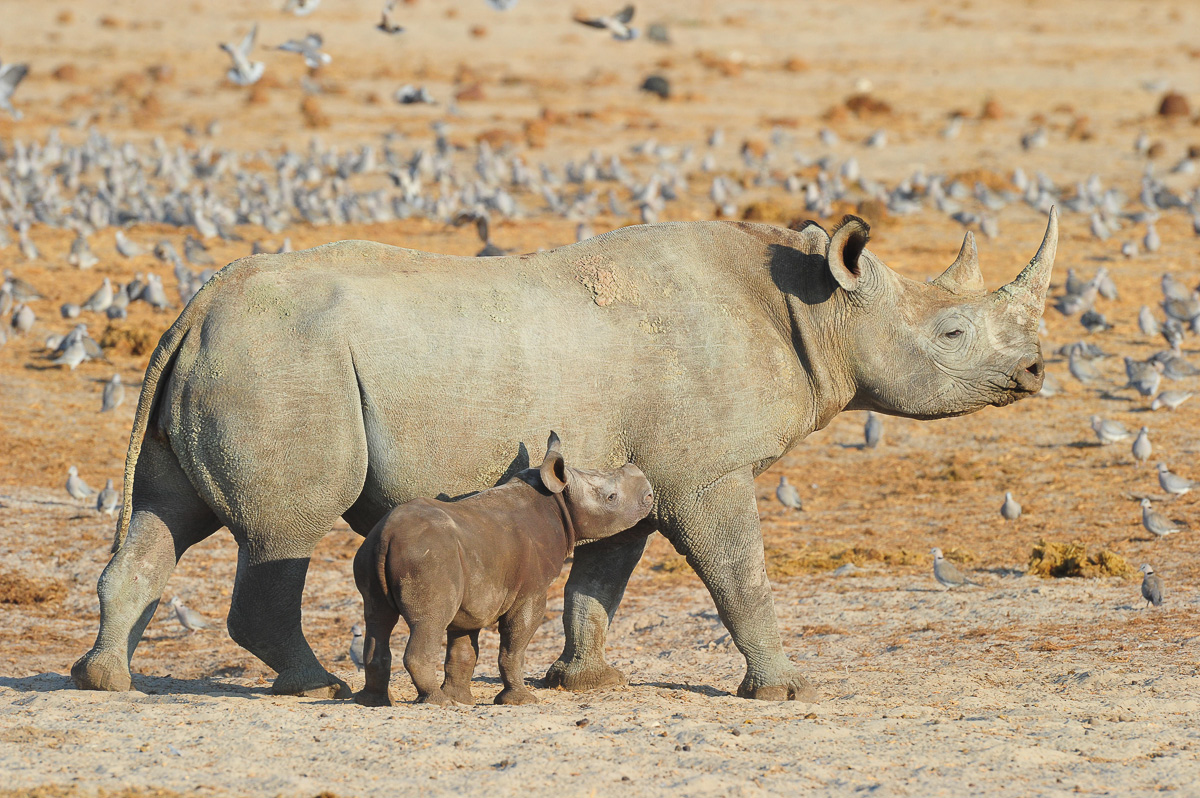
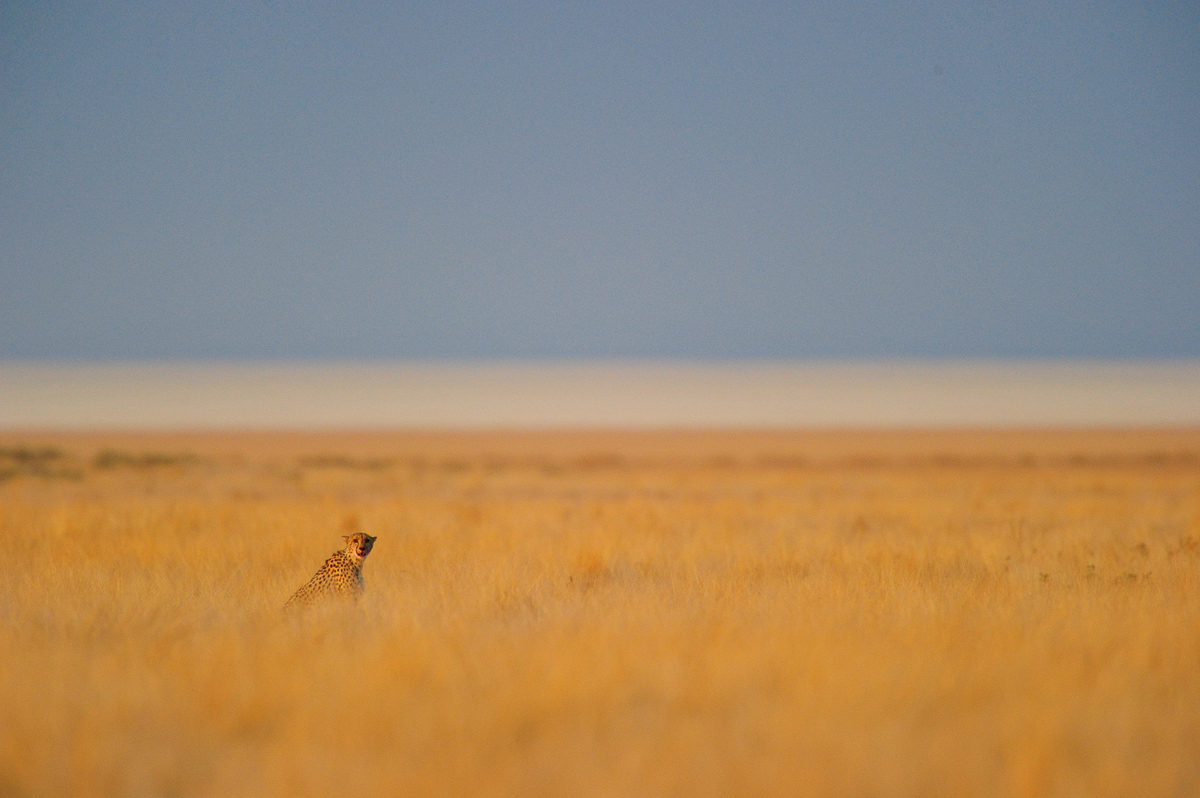
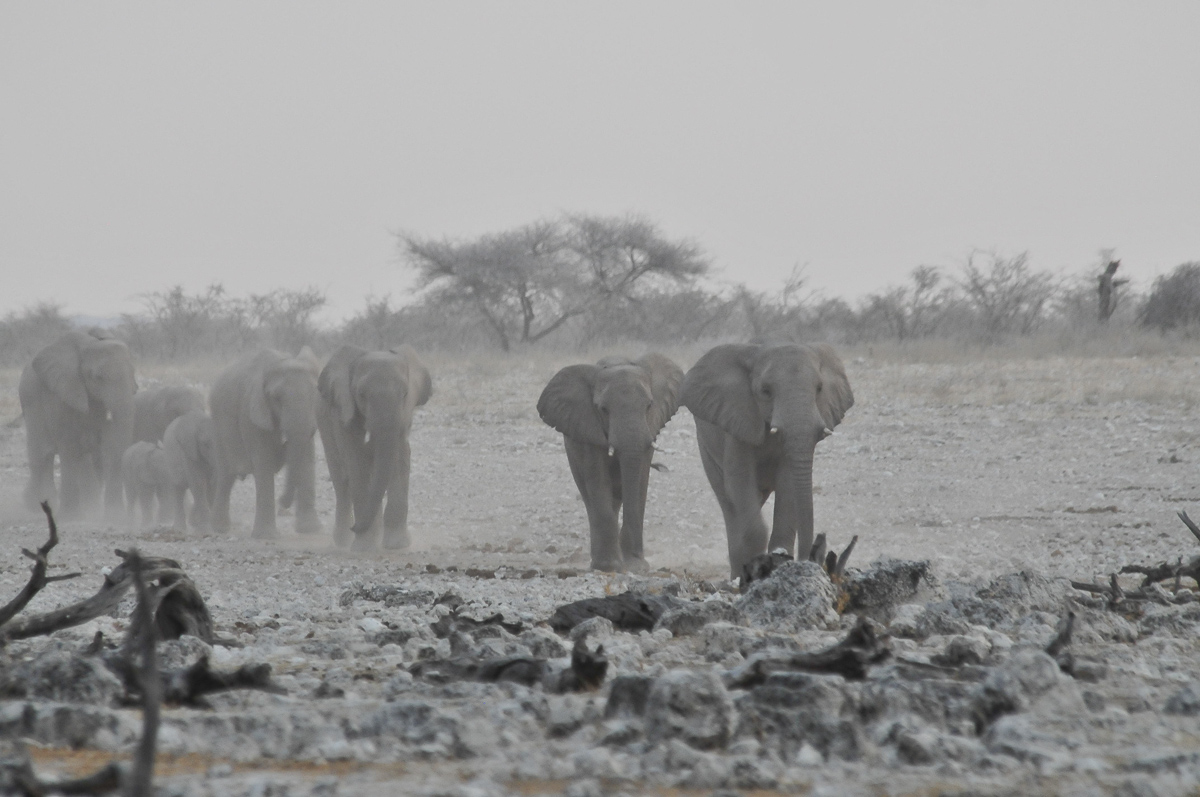
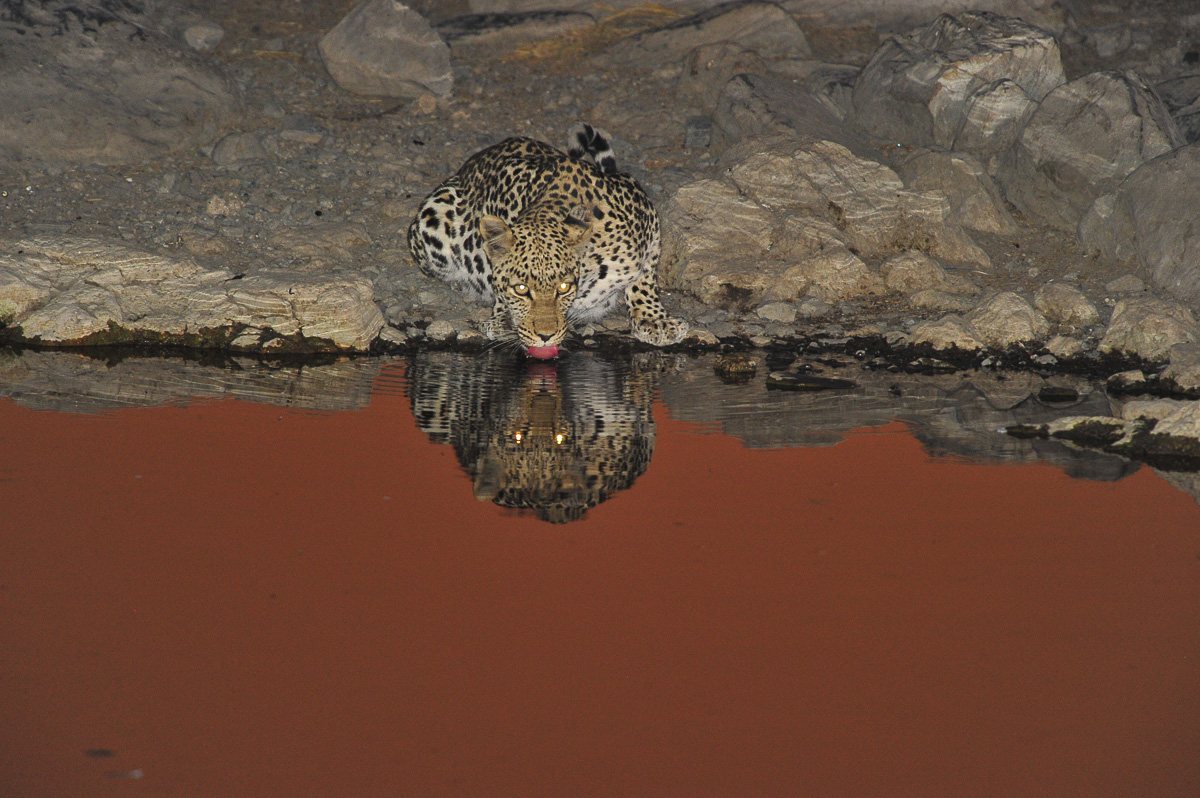
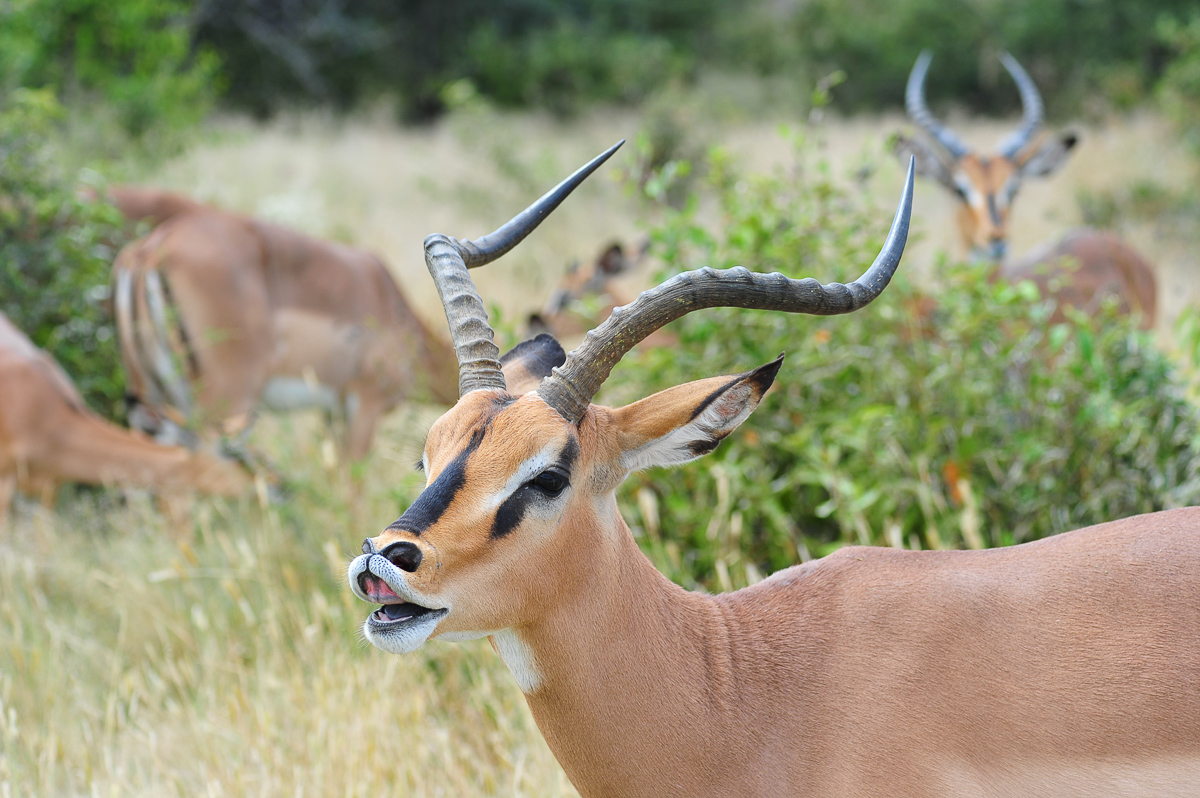
Keep a lookout for the rare Black-faced impala, found only here
You also have the choice of doing self-drive safaris, guided safaris or going on safari tours where you have the option of various activities and adventures around Namibia.
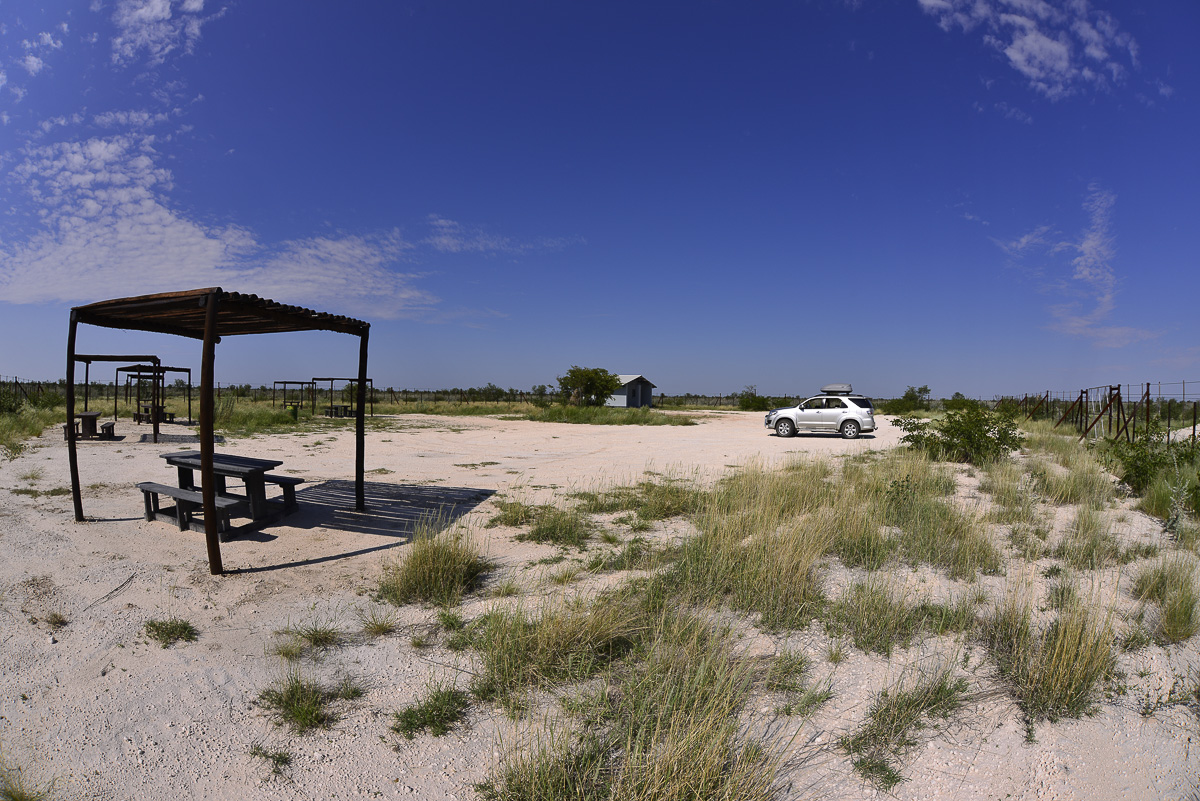
The park has a few picnic sites with basic ablutions and lovely viewpoints overlooking the Pan, where you can get out of your vehicle....
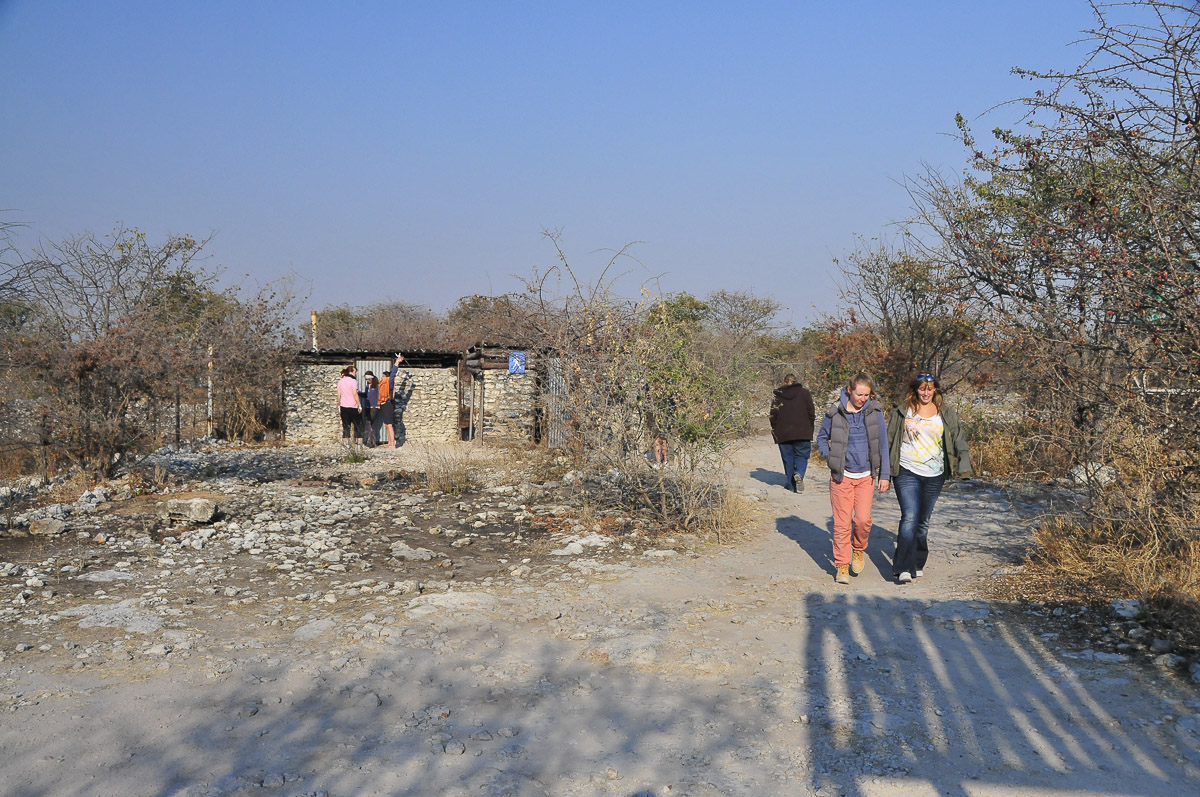
We sadly stopped visiting the park in 2002 as the bungalows, restaurants, air conditioners and ablutions were not adequately maintained. Namibia Wildlife Resorts did, however, upgrade all the facilities - with a more than doubling of fees of course - but the Park is still much more affordable than the East African safari lodges or the private lodges.
In 2009 we ventured back to the park and the decor is more appropriate for an African Game Reserve and all the air conditioners were new and working. Namutoni, in our opinion, is still not a nice camp as the waterhole is not productive in terms of game sightings and the accommodation, even though it has been upgraded, is expensive for what you get.
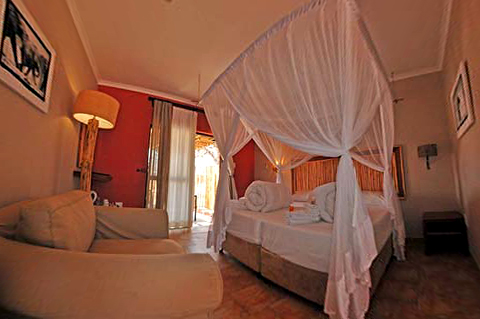
Not bad for 'cheap' accommodation hey! Namibia Wildlife Resorts (NWR) have renovated in style - let's hope they maintain adequately in the future.
Here are two views of the room we stayed in at Halali.

Etosha has a low-season and a high-season - November to May is the low-season with lower rates while June to October is high season.
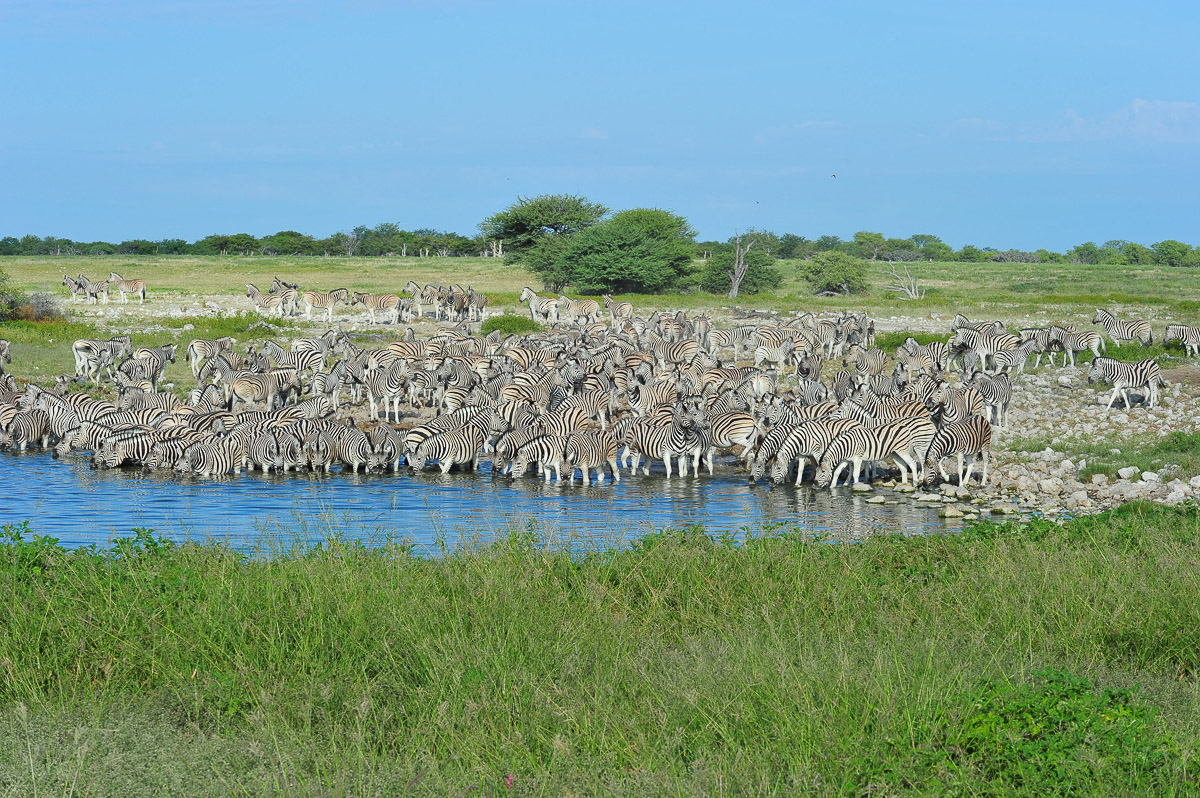
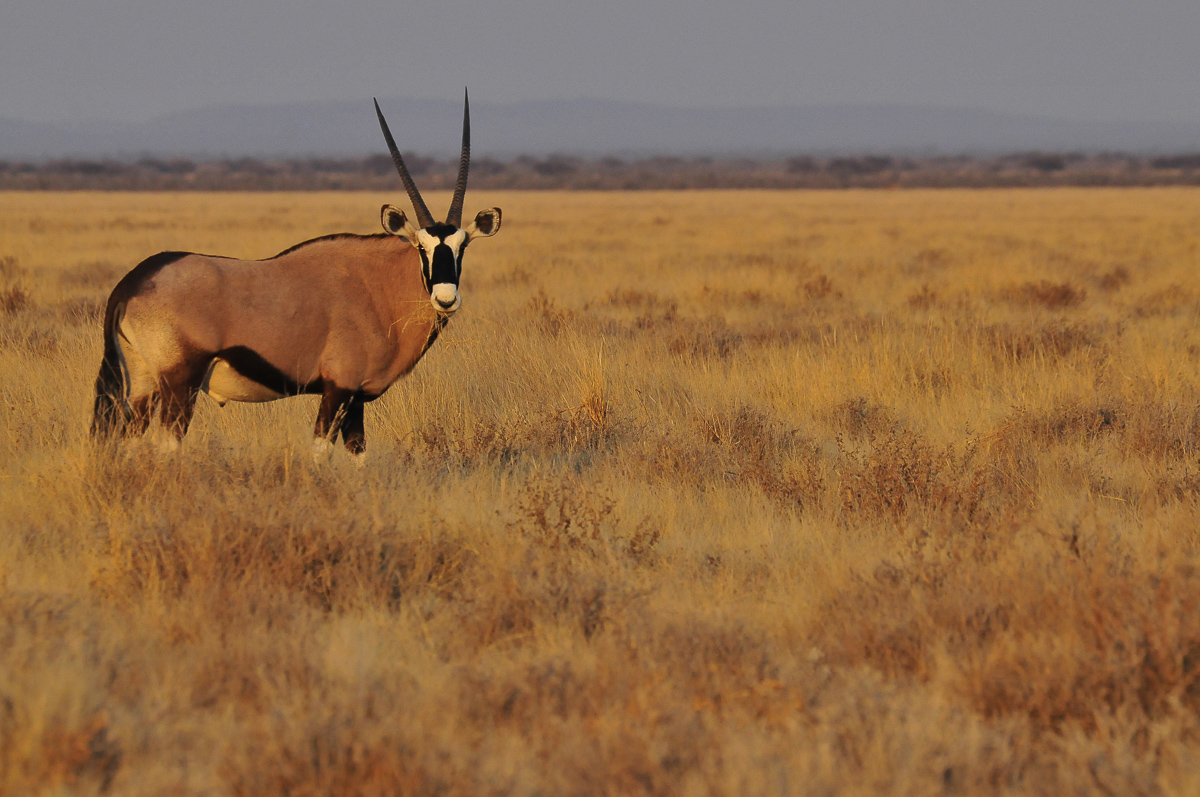
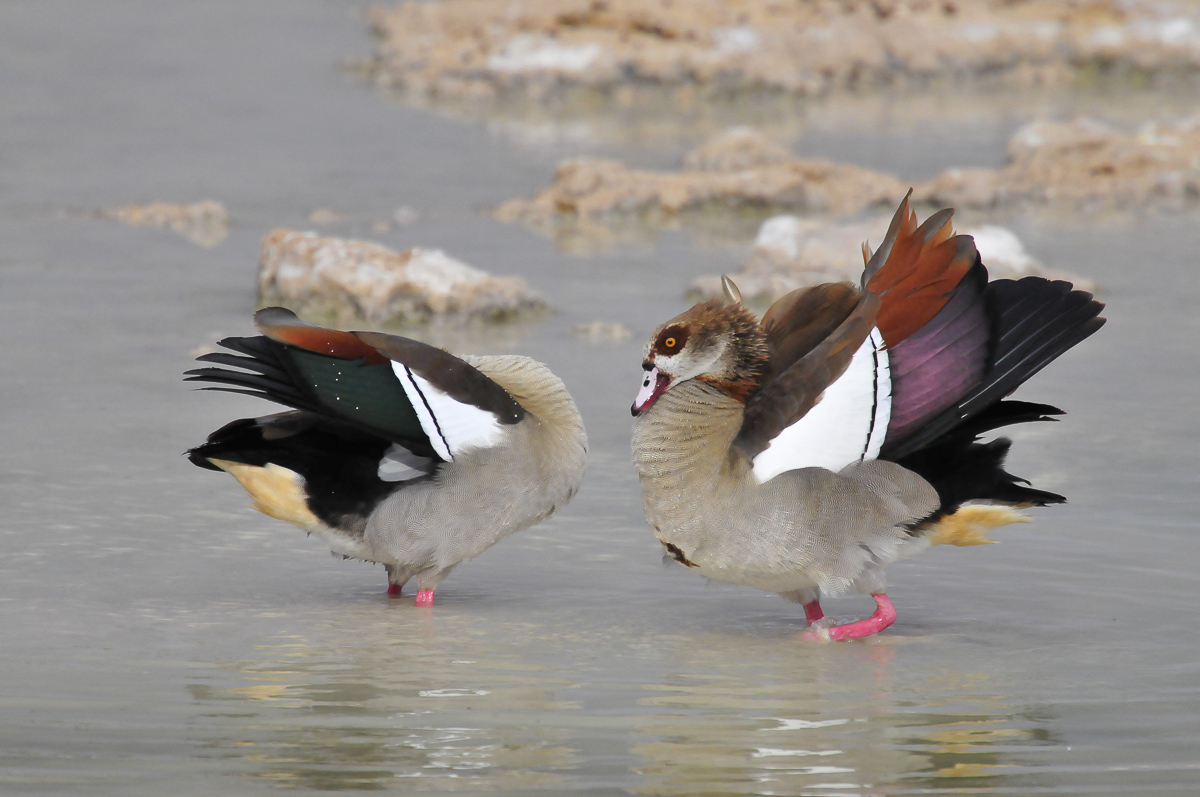
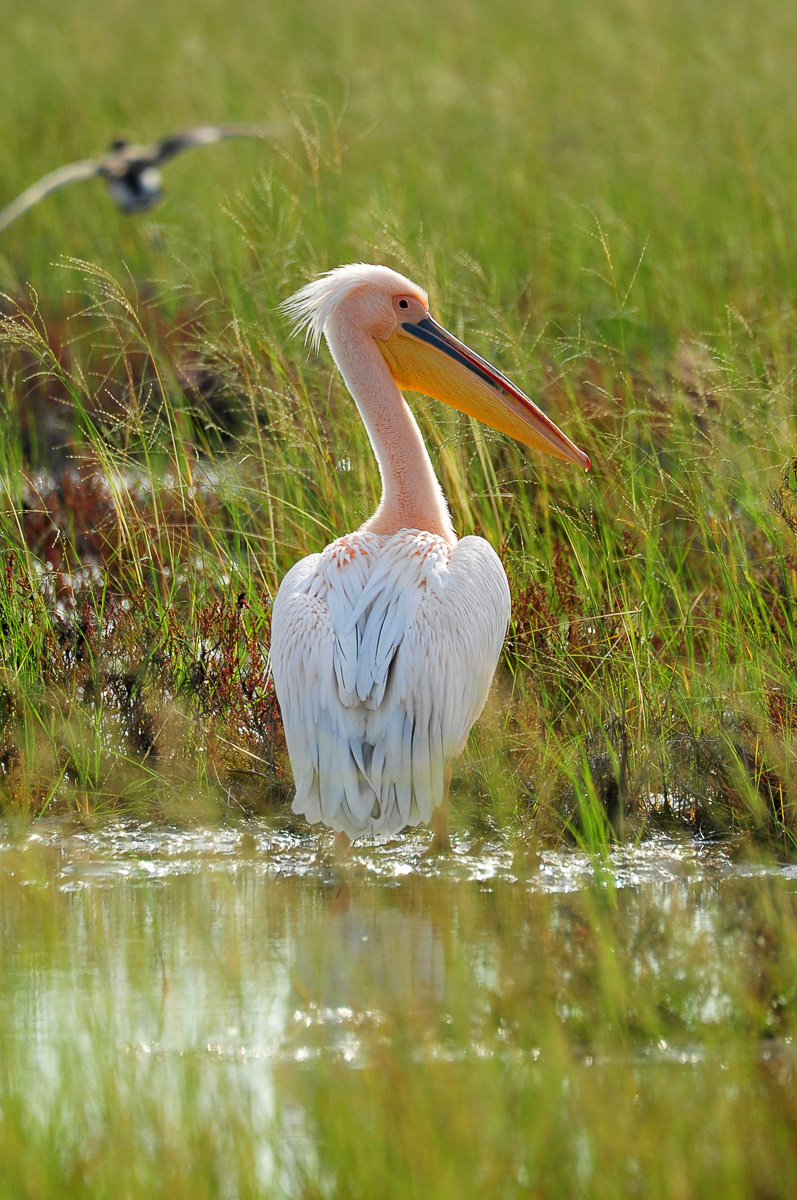
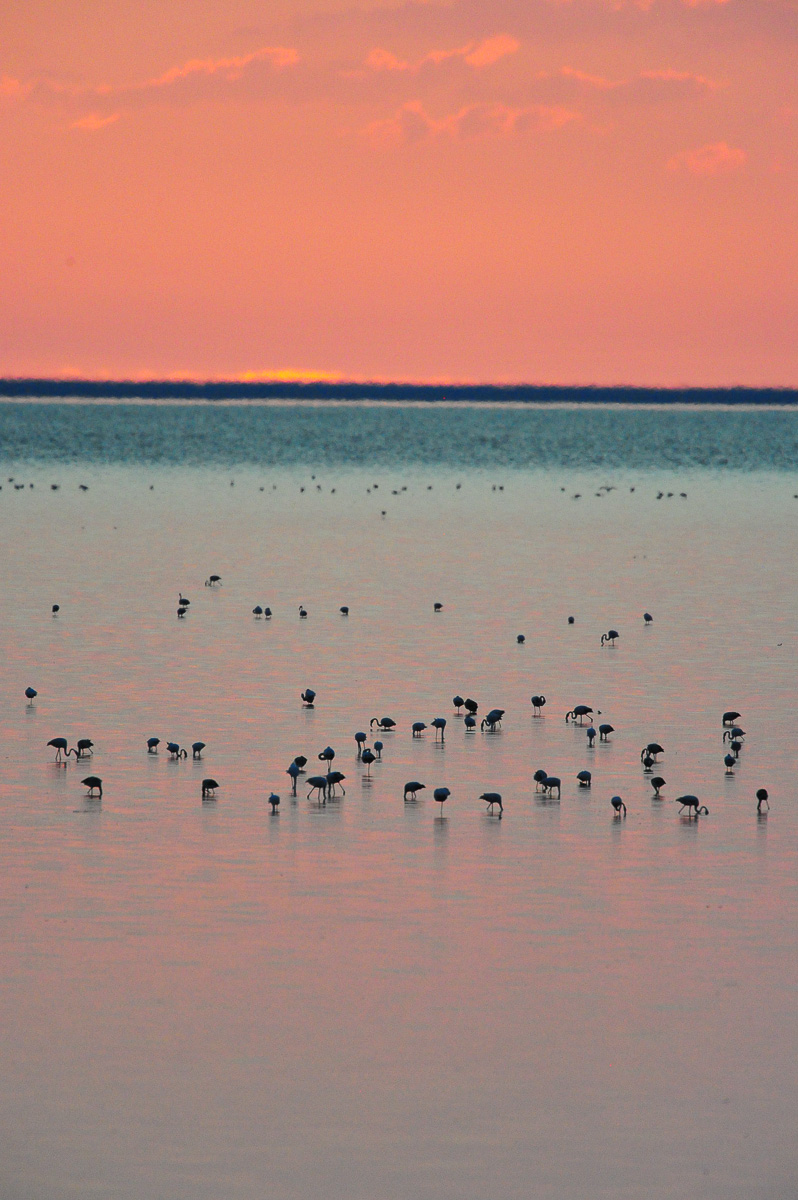
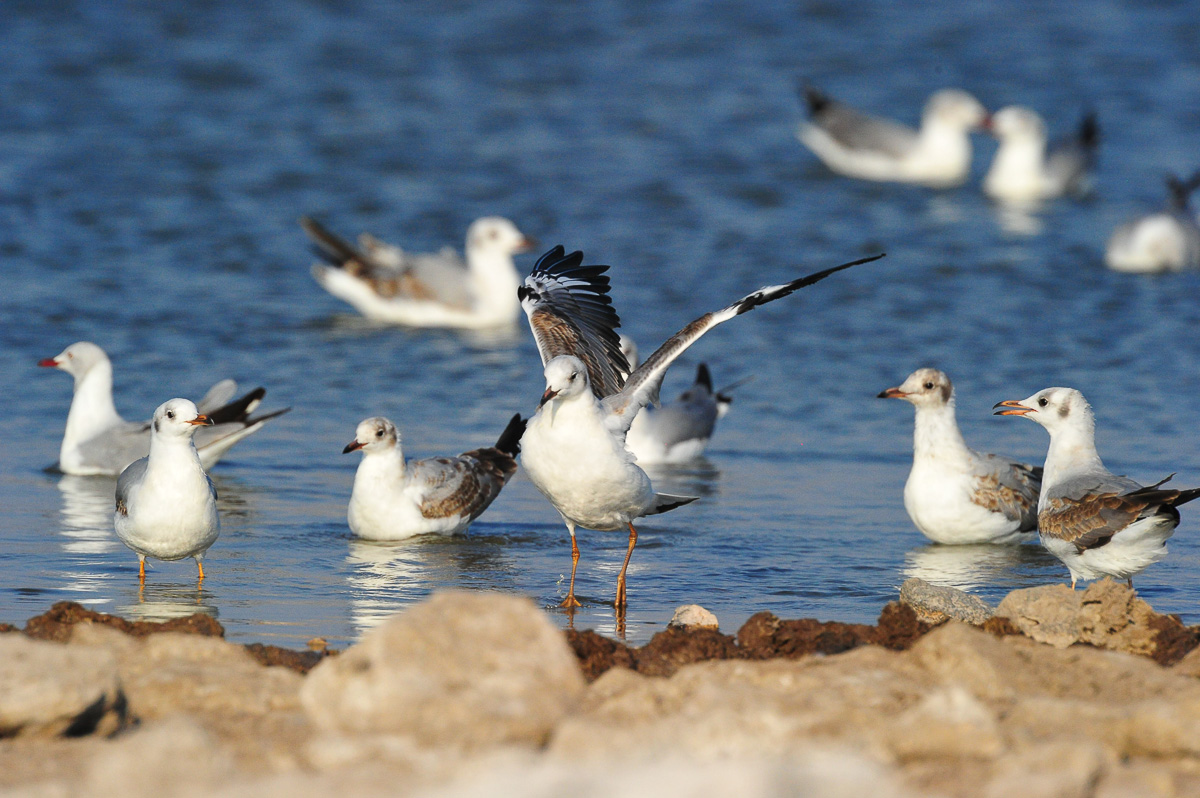
Don't think there are no animals in the park during the low-season because there are plenty - you have to drive around to find them! The low-season is also a great time for birders as the park gets hundreds of thousands of flamingos, pelicans and other water birds in addition to the bushveld birds.
To see some of our photographs please visit our Etosha
Gallery page and for some tips on photographing in the park please see our interviews with
Daryl Balfour who is a professional nature photographer and
Kathryn Haylett who is a safari guide and wildlife photographer specialising in various Namibian wildlife destinations.
To get a feel for the Park please check out our Etosha Trip Reports:
September 2010 Trip Report
August 2011 Trip Report
October 2011 Trip Report
Jennifer also wrote a most informative article on Photographing in Etosha for PhotographyBB Magazine in their April 2011 issue. To download a PDF of the article please click
here
To download an article on using filters to photograph landscapes in the national park please click
here
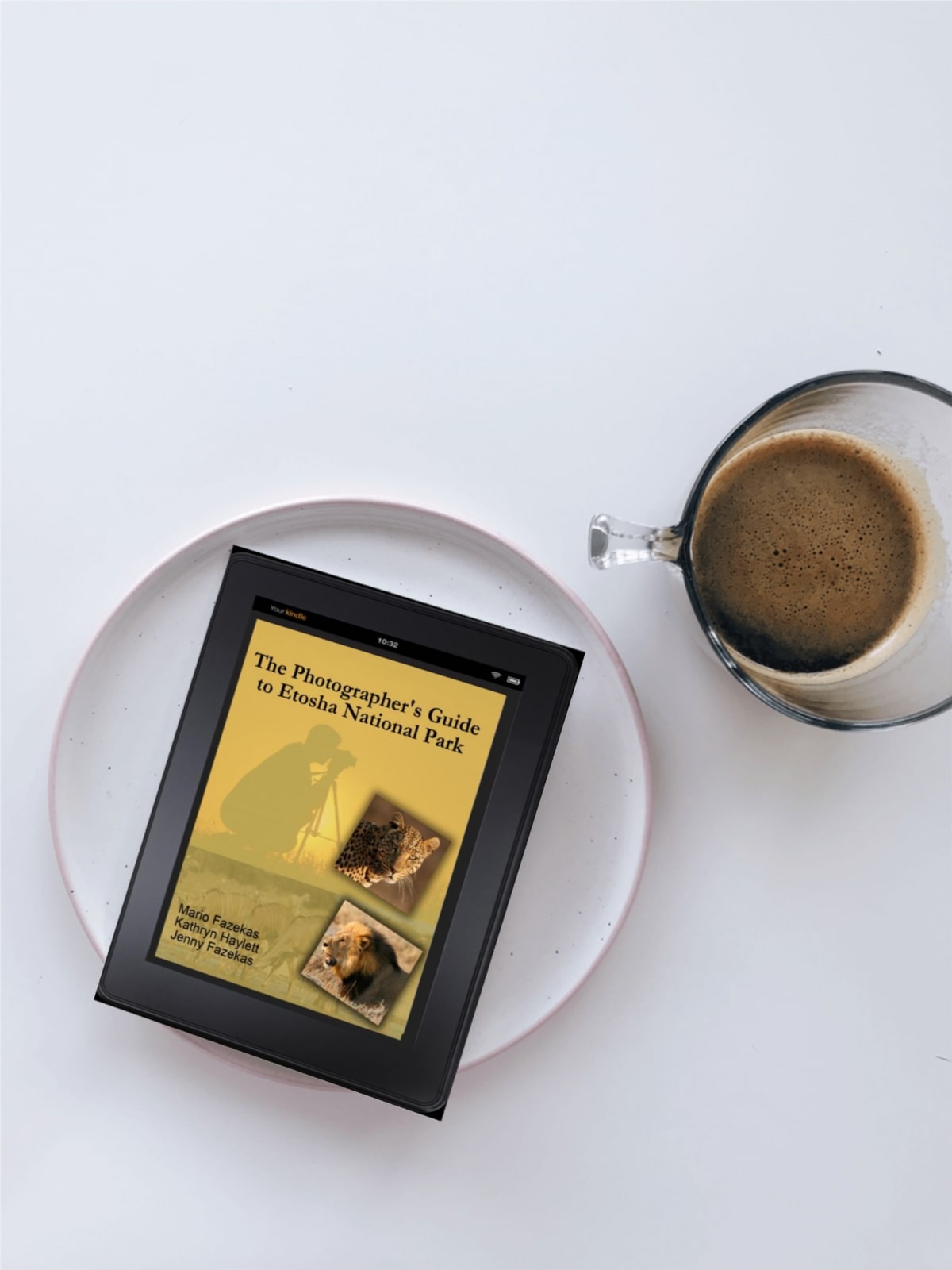
To download a brochure on The Photographer's Guide to Etosha National Park site-guide / eBook please click
here
To read a first-time visitor's experience of visiting Namibia's biggest national park click
here
"The Photographer’s Guide to Etosha by Mario Fazekas, Jenny Fazekas and Kathryn Haylett is my favourite book (better said, it’s my bible!) for Etosha National Park in Namibia.
For me this book is a “must have” for Etosha, it is perfect for everyone, wildlife enthusiasts, beginner photographers or pro photographers, this book is packed with excellent information and it not only tells you what waterholes or areas are the best for wildlife sightings or what frequent or resident wildlife there are in each area of the park, it also shows you how to position the car/jeep to get the best angle and light for your photography.
I wish I had this book 10 years ago when I first started going on safaris to Etosha, it would have saved me a lot of time and effort - and it probably would have helped me get many more photos that were “keepers”! - Lucy Beveridge
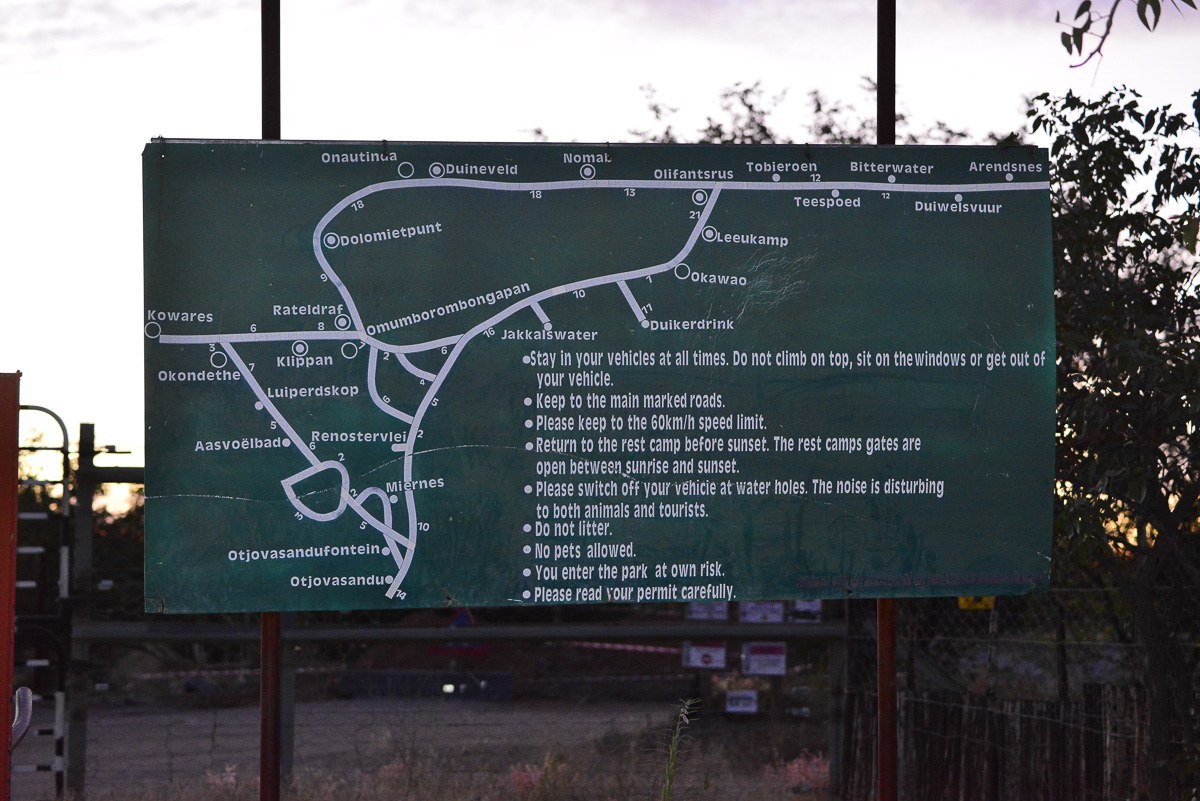
Etosha Maps
To download some park and camp maps please click
Share Your Etosha Stories with Others
Namibia - Beyond Etosha
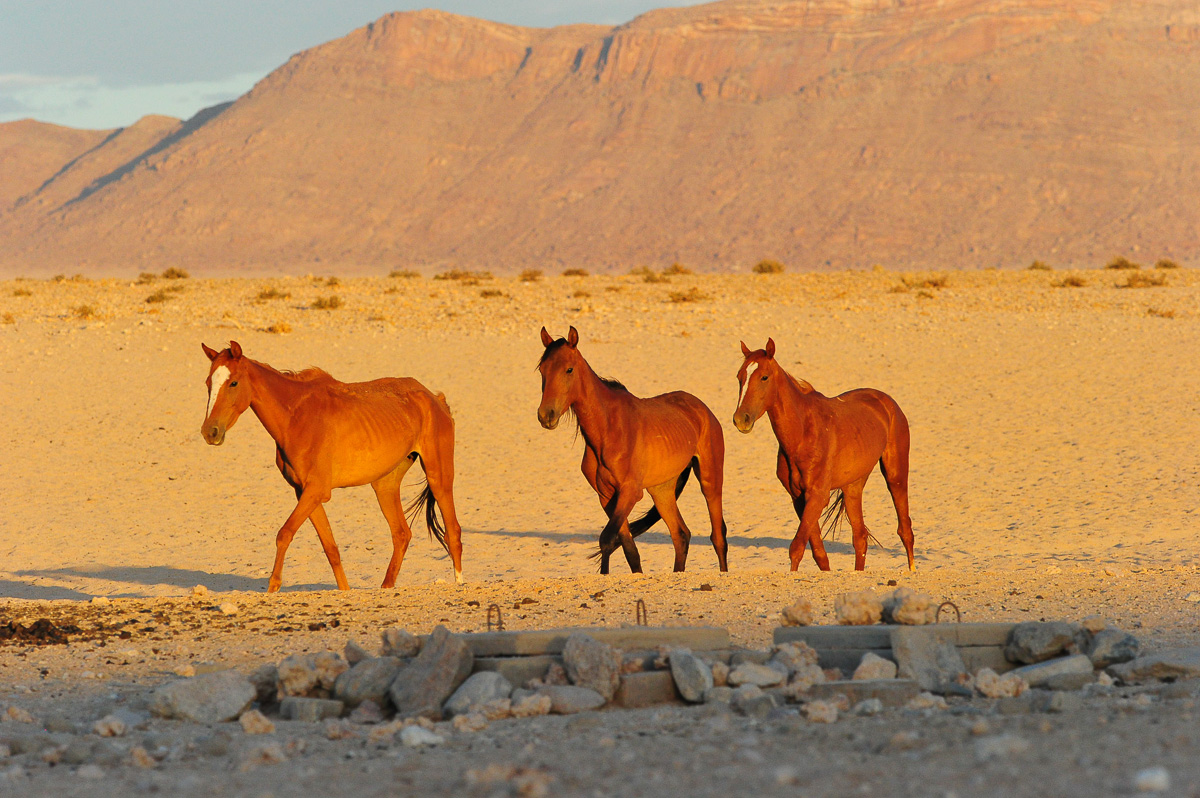
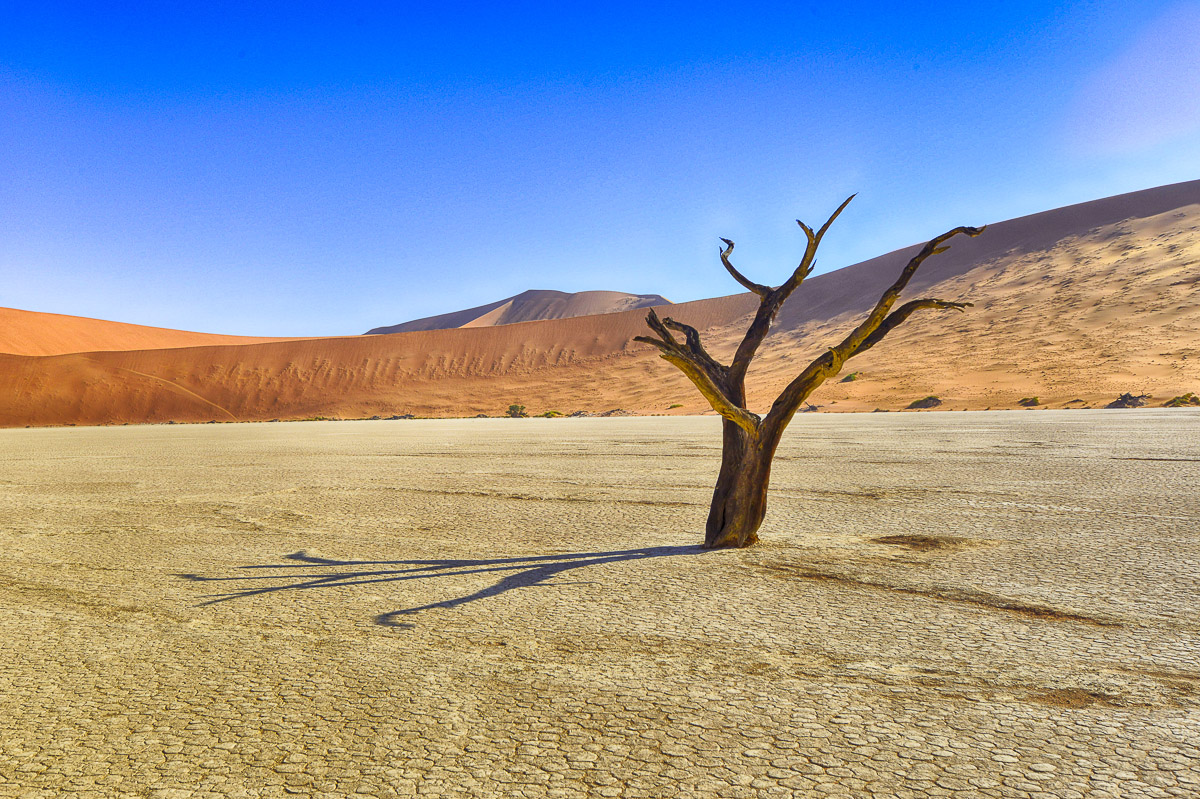
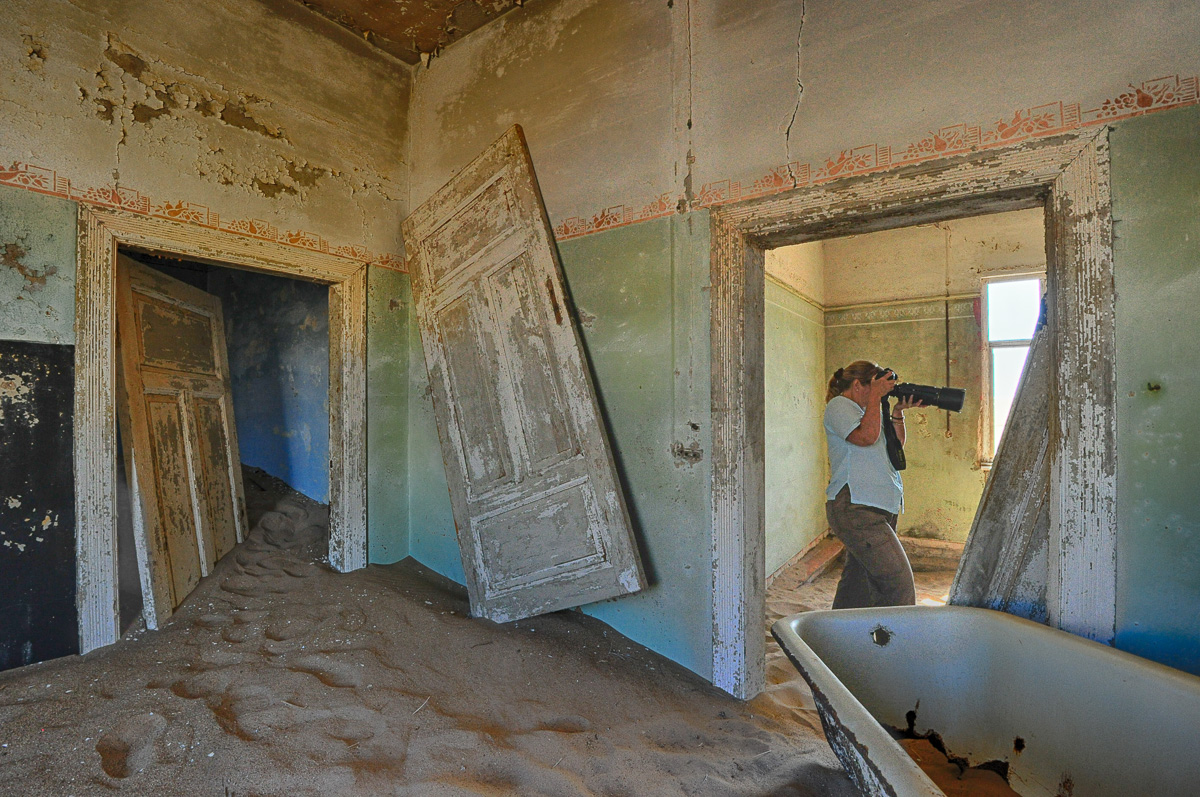
Namibia has so much more to offer in addition to Etosha. There is the Fish River Canyon, Sossusvlei, Deadvlei, Kolmanskop, Solitaire, Damaraland, the Kalahari, Namib Naukluft Park, Caprivi Strip and the Skeleton coast to name some of the more famous tourist hot-spots.
We have travelled to most of these hot-spots and share them with you on our Photographing Namibia page.
Return from Etosha to Kruger-2-Kalahari Home Page




 Subscribe To This Site



To make a safari rental booking in South Africa, Botswana or Namibia click here
Would you like to return home from your Etosha safari with amazing photos? If yes then this eBook is for you...
"Your time and money are valuable and the information in this book will help you save both." - Don Stilton, Florida, USA
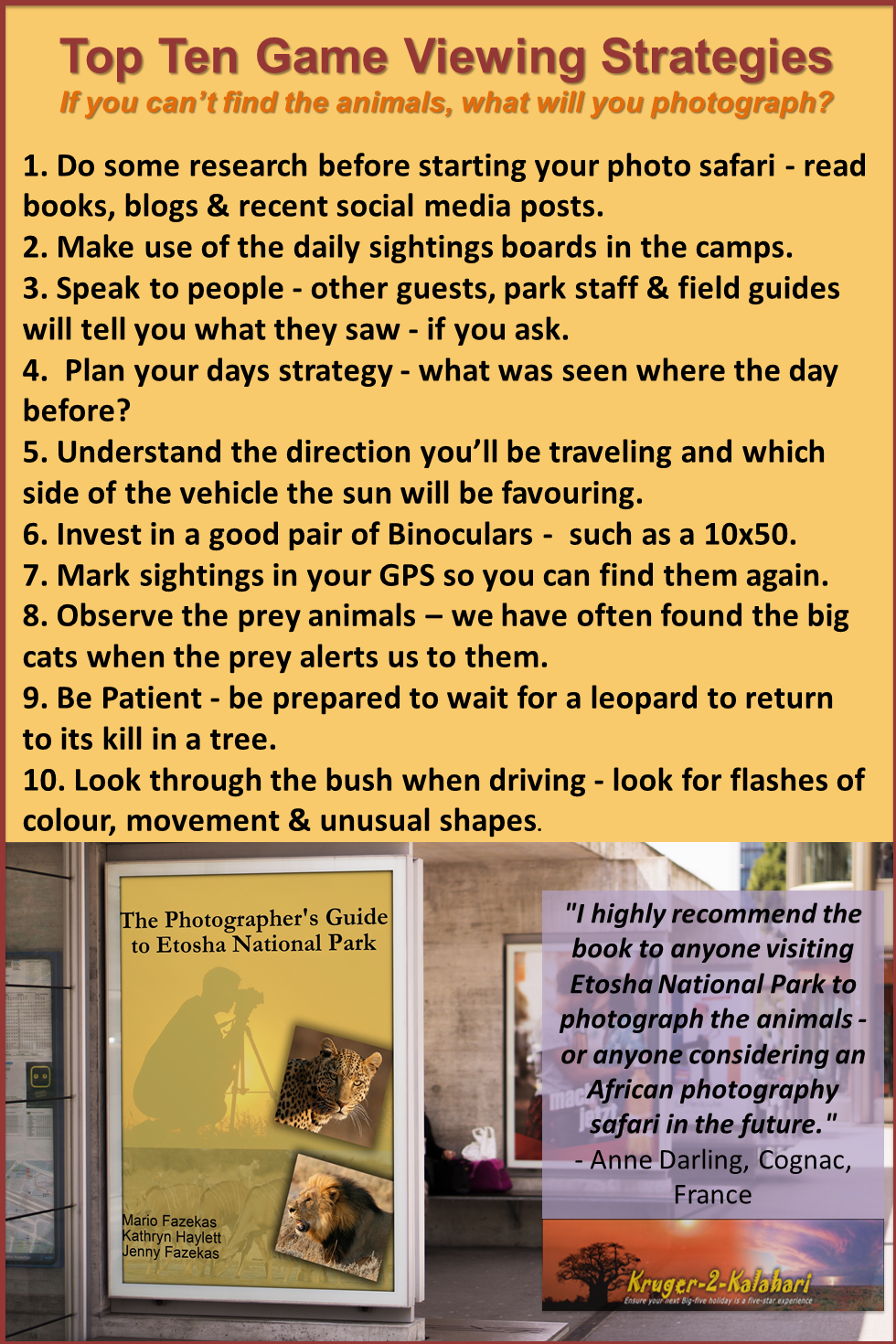
"I highly recommend the book to anyone visiting Etosha National Park to photograph the animals - or anyone considering an African photography safari in the future." - Anne Darling, Cognac, France
"If you intend visiting Etosha National Park this ebook is a must have item! It is a detailed guide that shares park secrets with photographers to help you take amazing safari pictures" - Lovelyn Bettison, London, UK
"Quite simply, the Photographers Guide to Etosha eBook is an absolute must have for those travelling to Namibia with the intention of taking stunning photographs of the wildlife congregating around the waterholes of Etosha. The authors are real experts on advising how to get into the right position, at the right time to effectively capture your subject" - Rhys Powell, Namibia Tourism Board, UK
Photo Safaris on a Private Vehicle - just You, the guide & the animals!
New! Comments
Have your say about what you just read! Please leave us a comment in the box below.