The Pilanesberg
The Pilanesberg game reserve is situated on the remains of an extinct alkaline volcanic crater that was active a few thousand years ago.
The Park is in the North West province of South Africa and is just a 2-hour drive from Johannesburg so it makes an ideal weekend destination.
The Park is in a malaria-free zone
The park's rare rock types and structures make it a unique geological feature. The park is also known as "The Volcano that gave birth to a game reserve".
It differs to Tanzania's Ngorongoro Crater in that its volcano walls have collapsed inward thereby making many small hills inside the park as opposed to Ngorongoro crater that still has its wall intact.
Is it a 'game reserve' or 'national park' I hear you asking? Well it's both! The park does not fall under the control of SANParks (South African National Parks), instead it is controlled by the North West provincial government.
So strictly speaking the park is not a national park but it is a big-five park and the third or fourth biggest park in South Africa and the North West government considers it a 'national park'. So if we keep politics out of it then the park is not just a game reserve but also a national park.

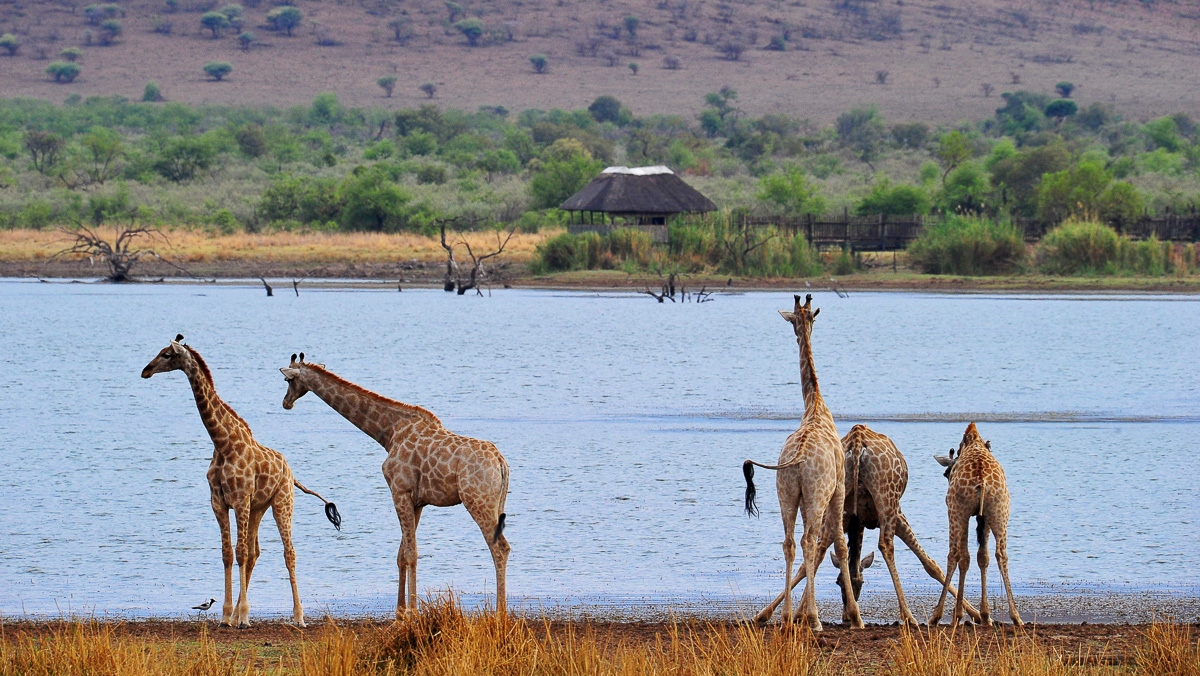
Lake Mankwe sits in the centre of the park and is the park's focal point.
When the summer rains fall the hills channel the water to the lake thereby keeping the lake full for most if not all the year.
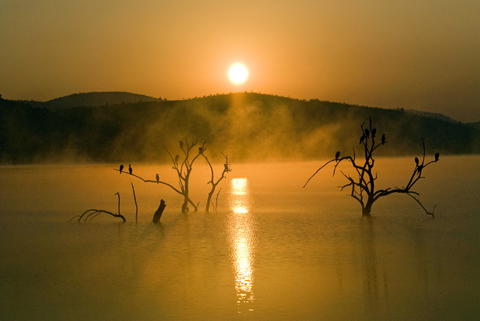
This picture of the sun rising over Lake Mankwe shows some of the hills in the background…
|
"I would describe myself as an enthusiastic amateur photographer, who is keen to know more - but one who feels a bit clueless as to how to get better. This is the perfect book for people like me! What I really like about it is that it gives very specific, down-to-earth ideas that non-specialists can actually understand (and I am a writer by trade, so I demand high standards of clarity)" - Harriet Morris, USA |
 |
About the Pilanesberg
• The game reserve was founded in 1979 and has seven primary lodges:
- Bakgatla Resort (Golden Leopard)
- Bakubung Bush Lodge (Legacy Hotels)
- Ivory Tree Game Lodge (Aha)
- Kwa Maritane Bush Lodge (Legacy Hotels)
- Manyane Resort (Golden Leopard)
- Shepherds Tree Game Lodge (Aha)
- Tshukudu Bush Lodge (Legacy Hotels)
Each lodge has a swimming pool, curio shop, and restaurant.
Black Rhino Game Reserve is a private concession on the western side of the park, which has mainly private lodges but a few commercial ones as well. We stayed at Pilanesberg Private Lodge and had a great time there.
The park is about 200 kilometers from Johannesburg so an easy 2-hour drive. You may want to stay at a safari stopover depending on where you are travelling from.
In 2016 a new camp opened up called Pilanesberg Tented Safari Camp. It is based in the Manyane complex and is a great experience for those of you who love camping but don't want the hassle of setting up camp, and cooking. The concept is called 'glamping' - camping in luxury, where everything is done for you!
Petrol (gas) stations are found just outside the park near each gate.
You also have the option of staying at Sun City and visiting the park just for a morning or afternoon drive - there are many tour and safari packages to choose from should you not want to do a self-drive safari.
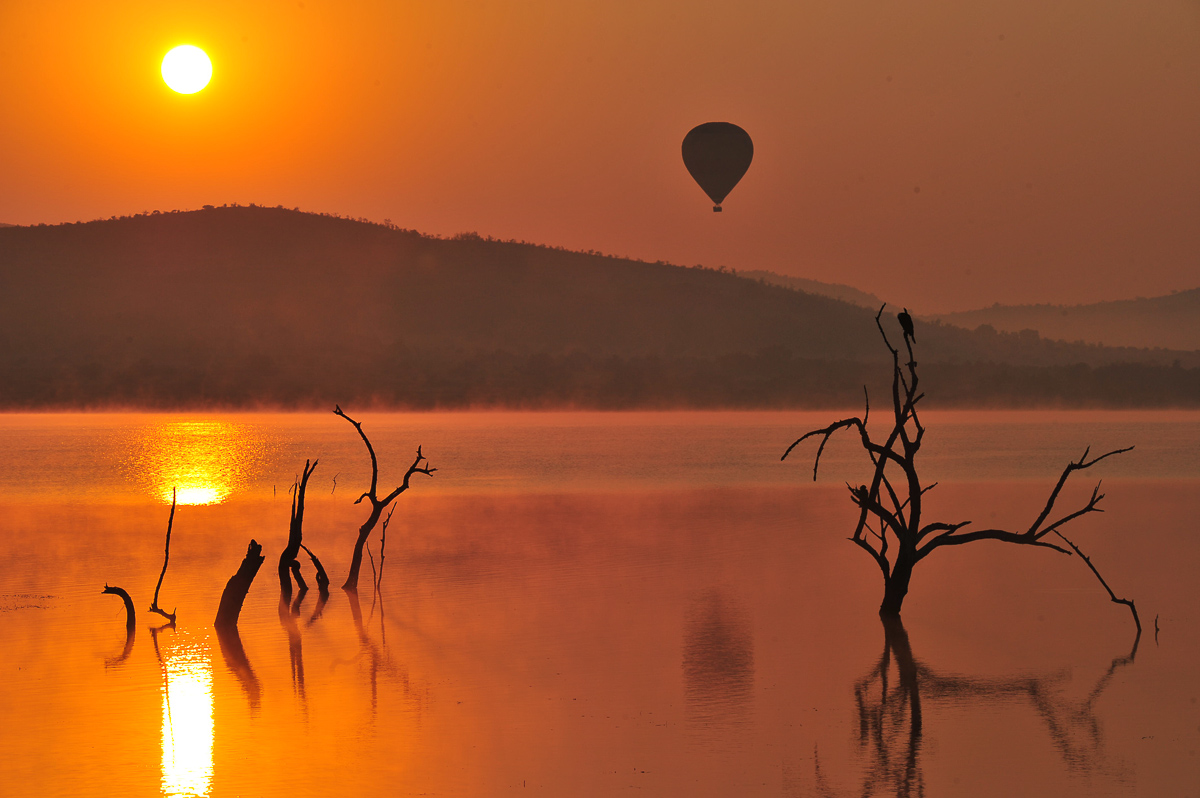
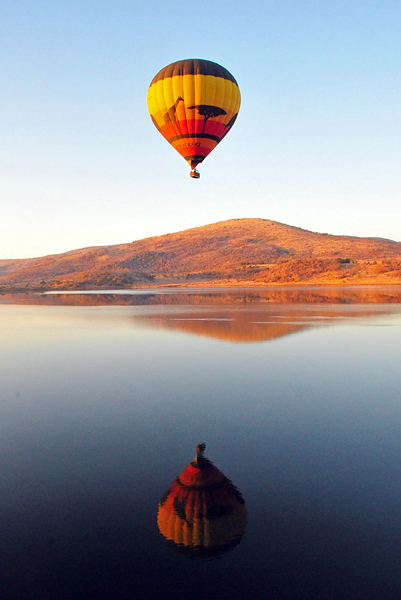
• Hot Air Balloon Safaris are offered by Airtrackers, which is a division of Gametrackers. These hot air balloon rides are superb and should be on all visitors bucket lists!
• Don’t be surprised when you see both Impala and Springbok as the Park contains animals found in both the Kruger and Kalahari. This is because it lies where the two vegetation zones meet
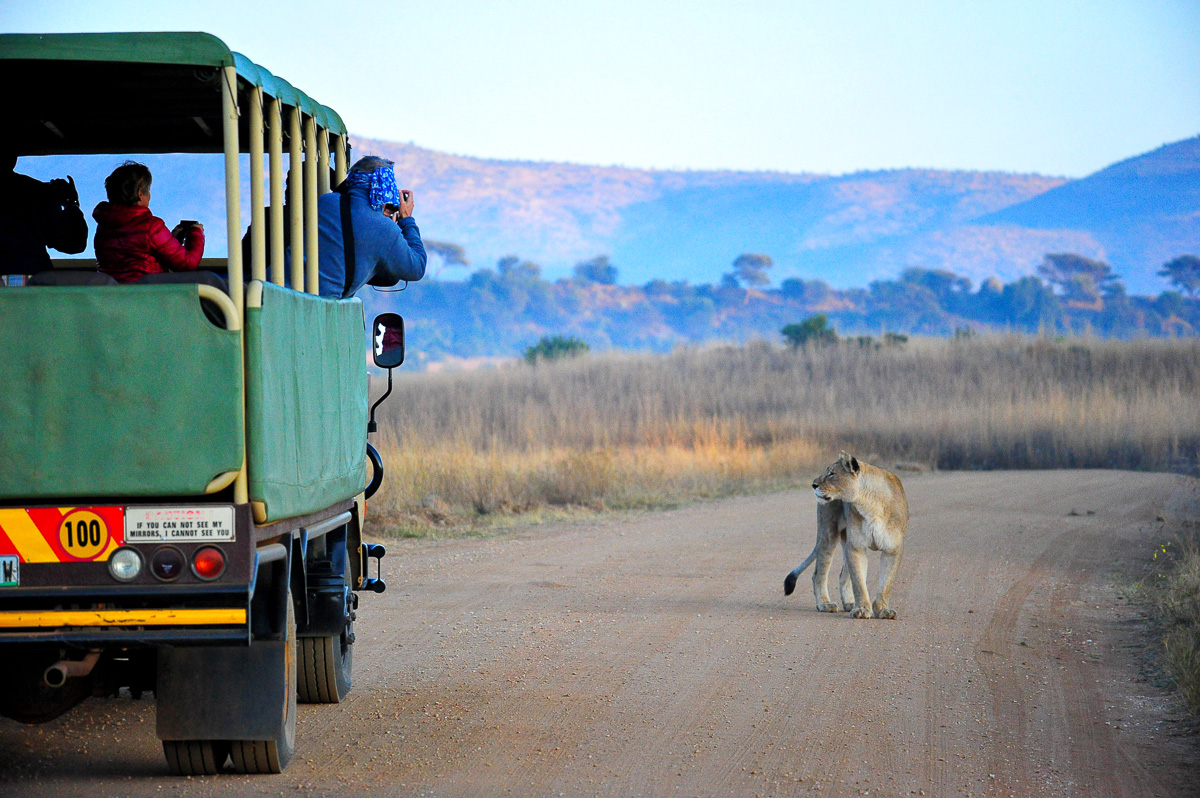
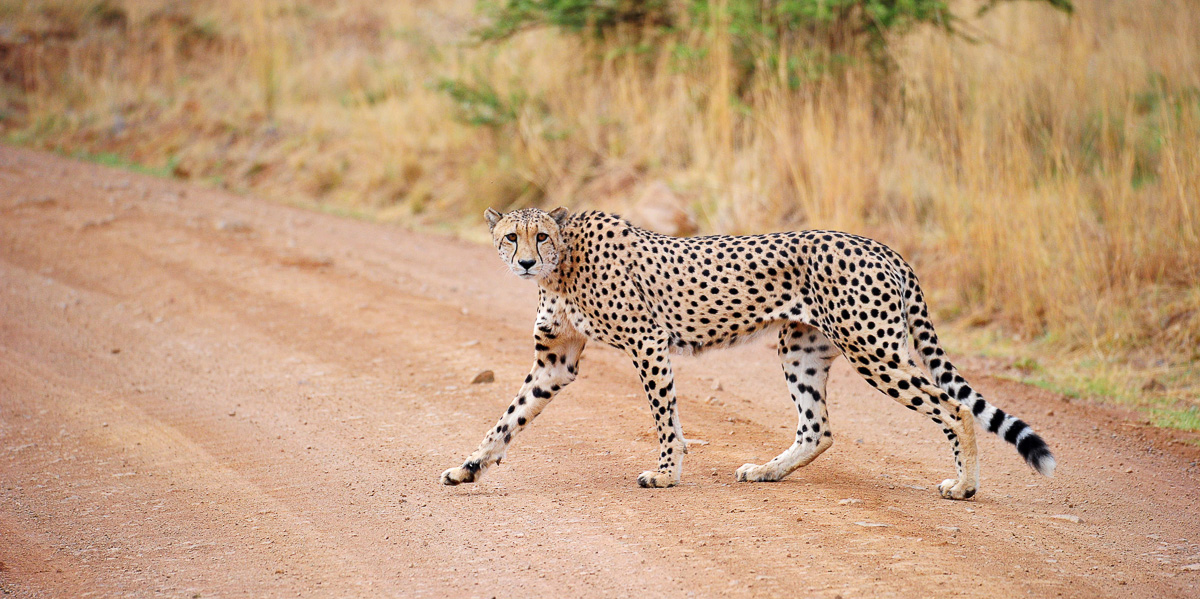
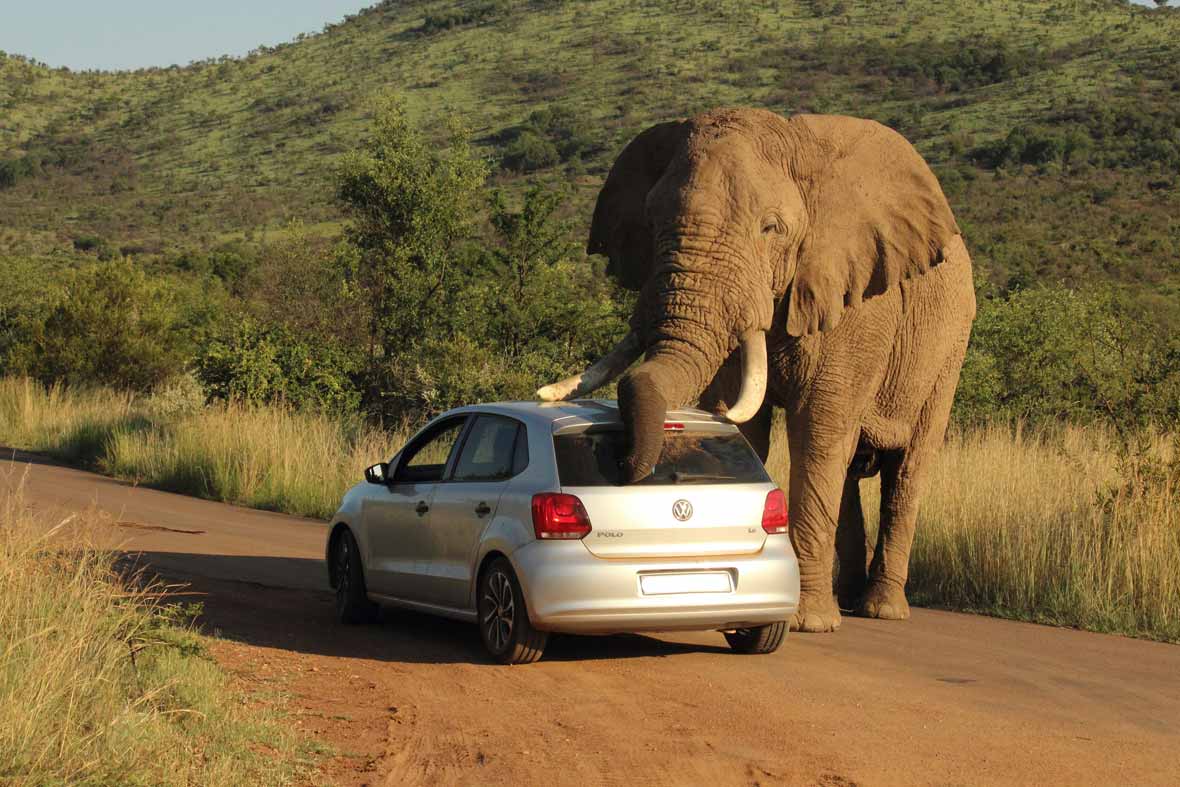
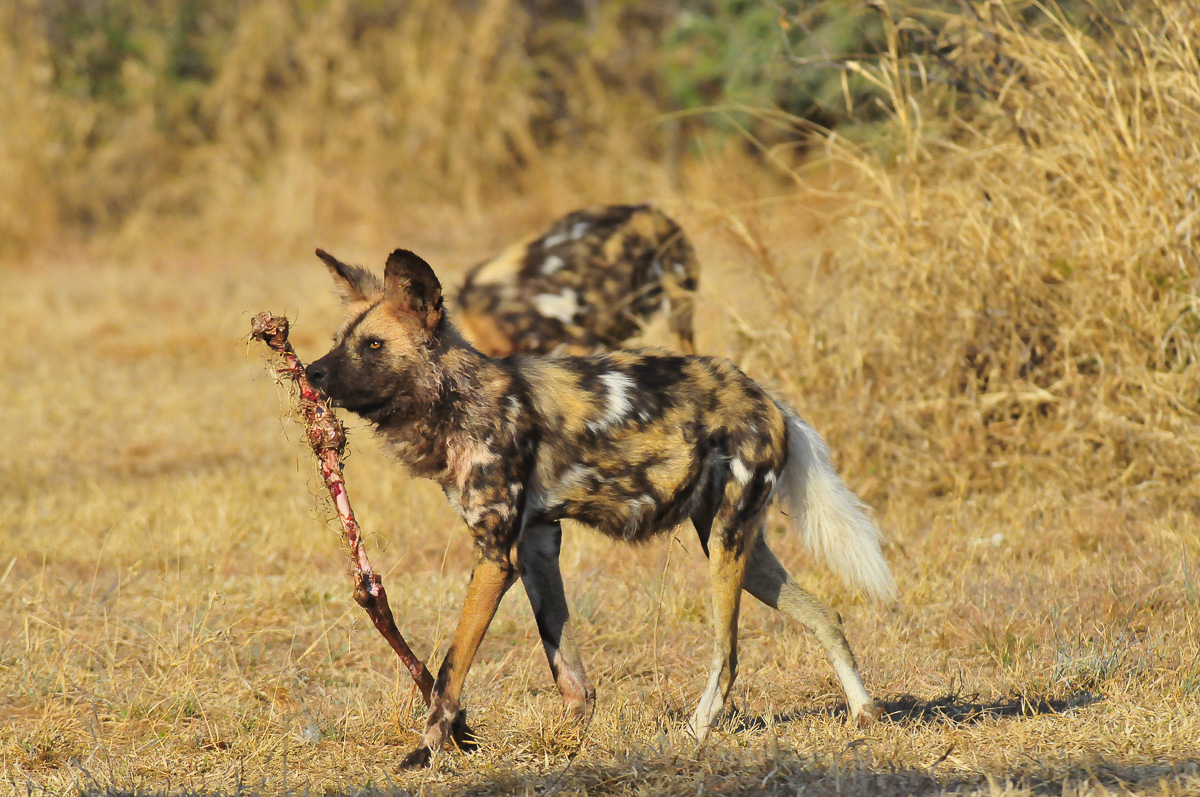
• It is a big-five Park and also has cheetah and wild dogs - the 'super seven'
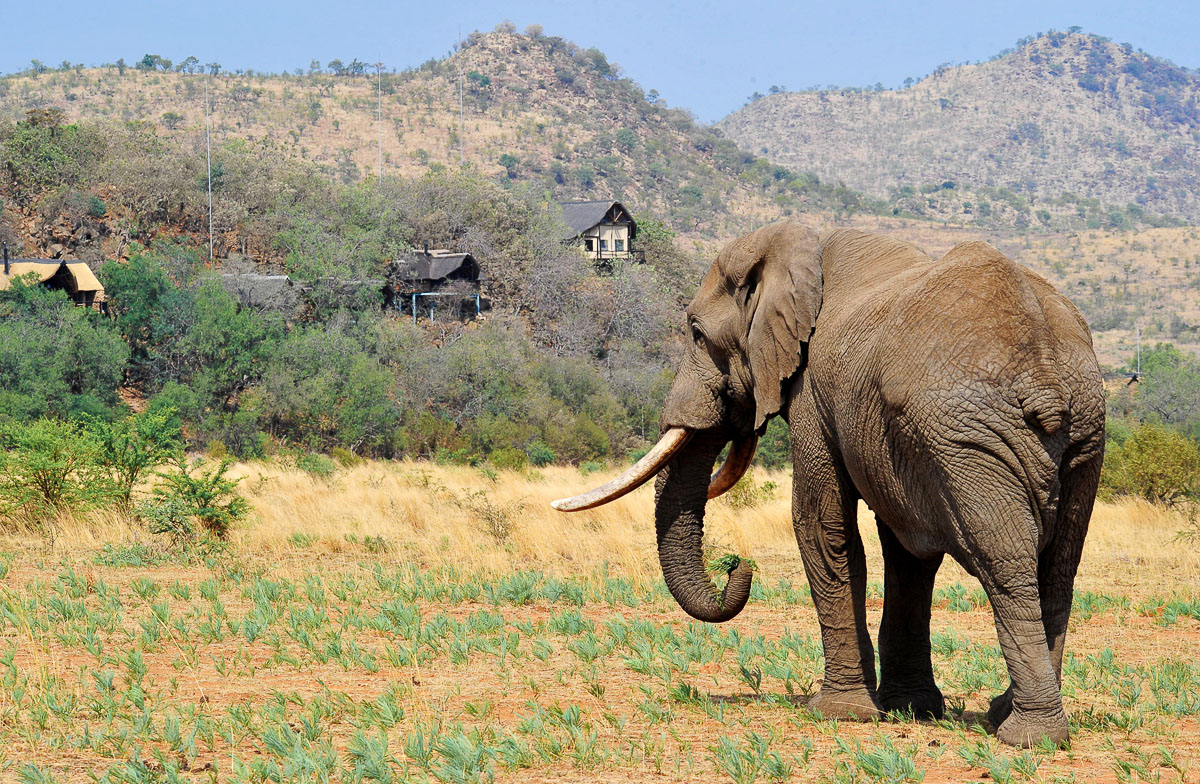
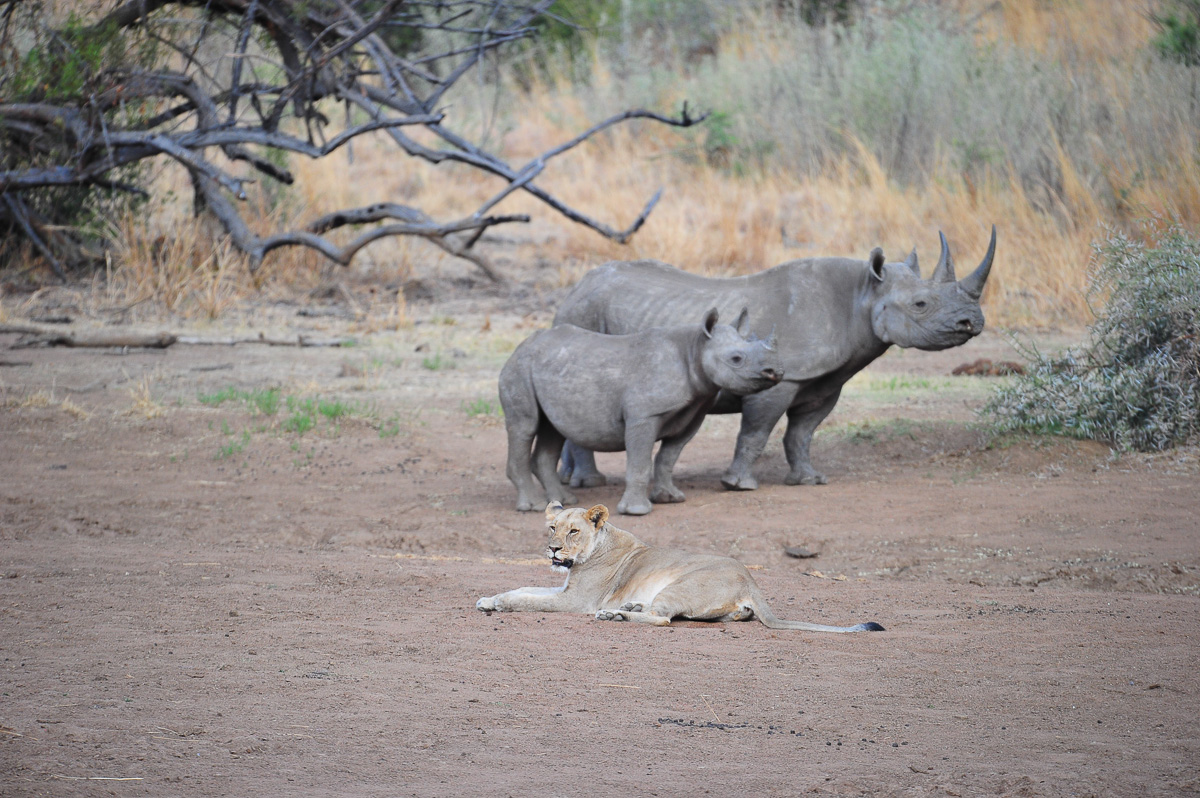
• What we like about the Park is that animals that are difficult to see in other parks are easily seen here - animals such as white rhino, black rhino, eland, sable, tsessebe, brown hyena and red hartebeest.
• Rhino Poaching, as in most other African parks, is a problem and the Pilanesberg Wildlife Trust has made Rhino protection the PWT's primary conservation project

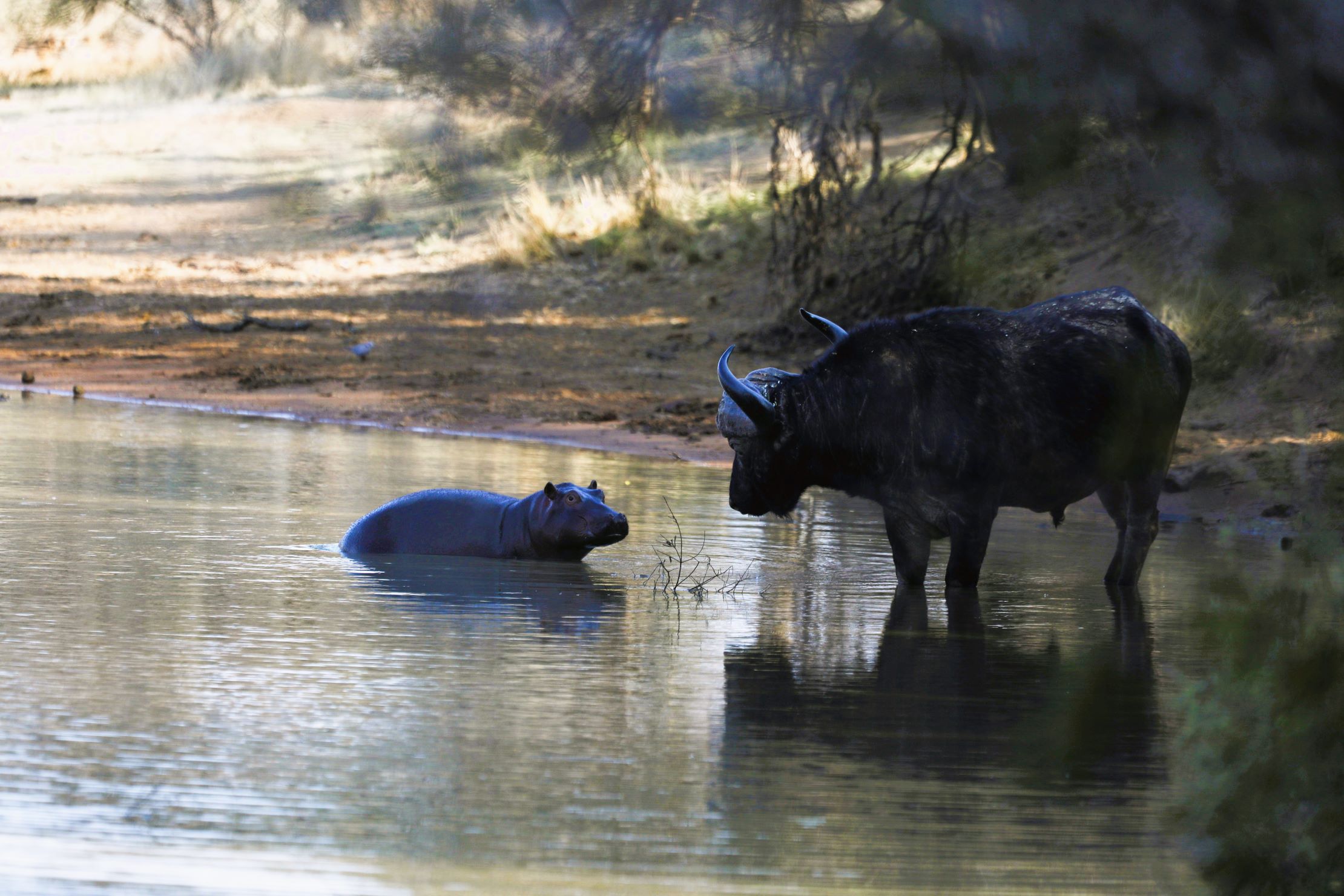 Baby hippo investigating a buffalo at Ratlhogo hide. Mommy hippo was watching to see if the buffalo misbehaved!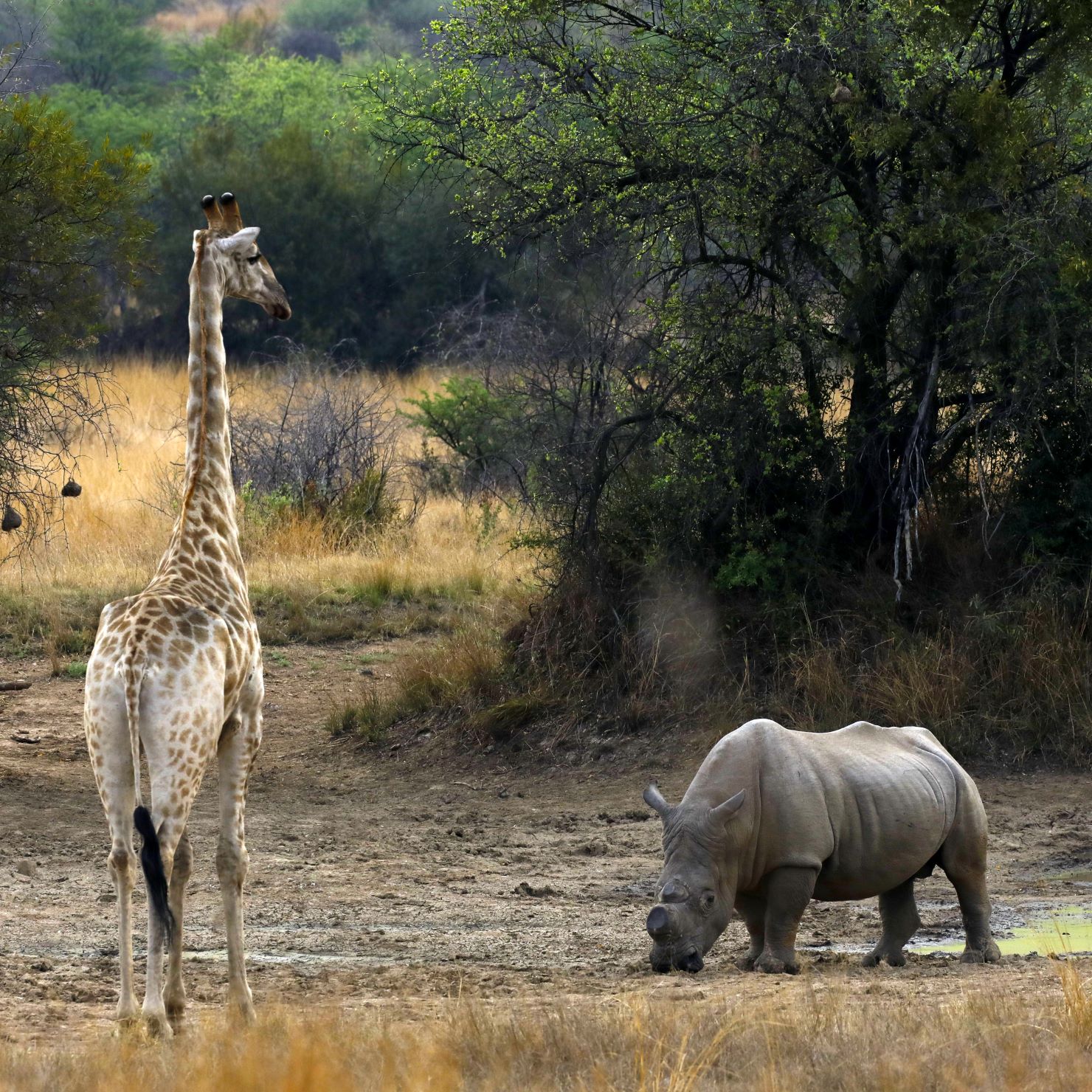
• Buffalo, which are common in the Kruger, tend to be a challenge here and we have had just two sightings of these elusive animals!
• The park is also the ideal honeymoon destination as the famous Sun City / Lost City casino resorts are situated between Bakubung and Kwa Maritane resorts thus providing easy access to either the park or Sun City
• The bird hides are very rewarding for wildlife photographers so you should make a point of spending a few hours at each hide, especially in the winter months of June to September for mammals and all year for birds.
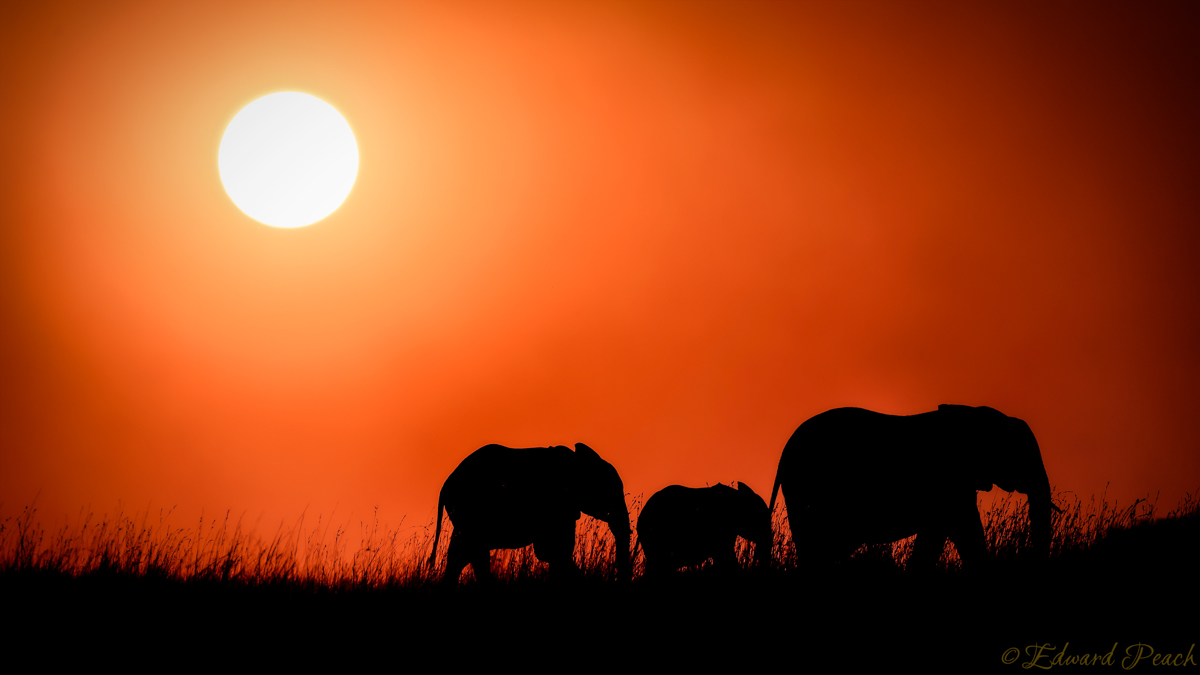
• Edward Peach was is a wildlife photographer and game ranger in the park and his interview makes very interesting reading.
• Noella Ballenger at Apogee Photo Magazine wrote a 2-part article containing on her advice on organizing a Small Group Photo Safari and her group experience while on safari in the Park
• Click here to download a PDF article we wrote called 'Shooting Volcano-scapes in South Africa's Pilanesberg National Park'.
Pilanesberg Park and Camp Maps

Share Your Pilanesberg Stories
Share Your Stories with others here
For more information on the park please visit the Pilanesberg Wildlife Trust website - click on image below...
Return from Pilanesberg to Kruger-2-Kalahari home page




 Subscribe To This Site



To make a safari rental booking in South Africa, Botswana or Namibia click here
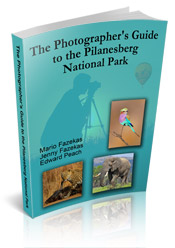
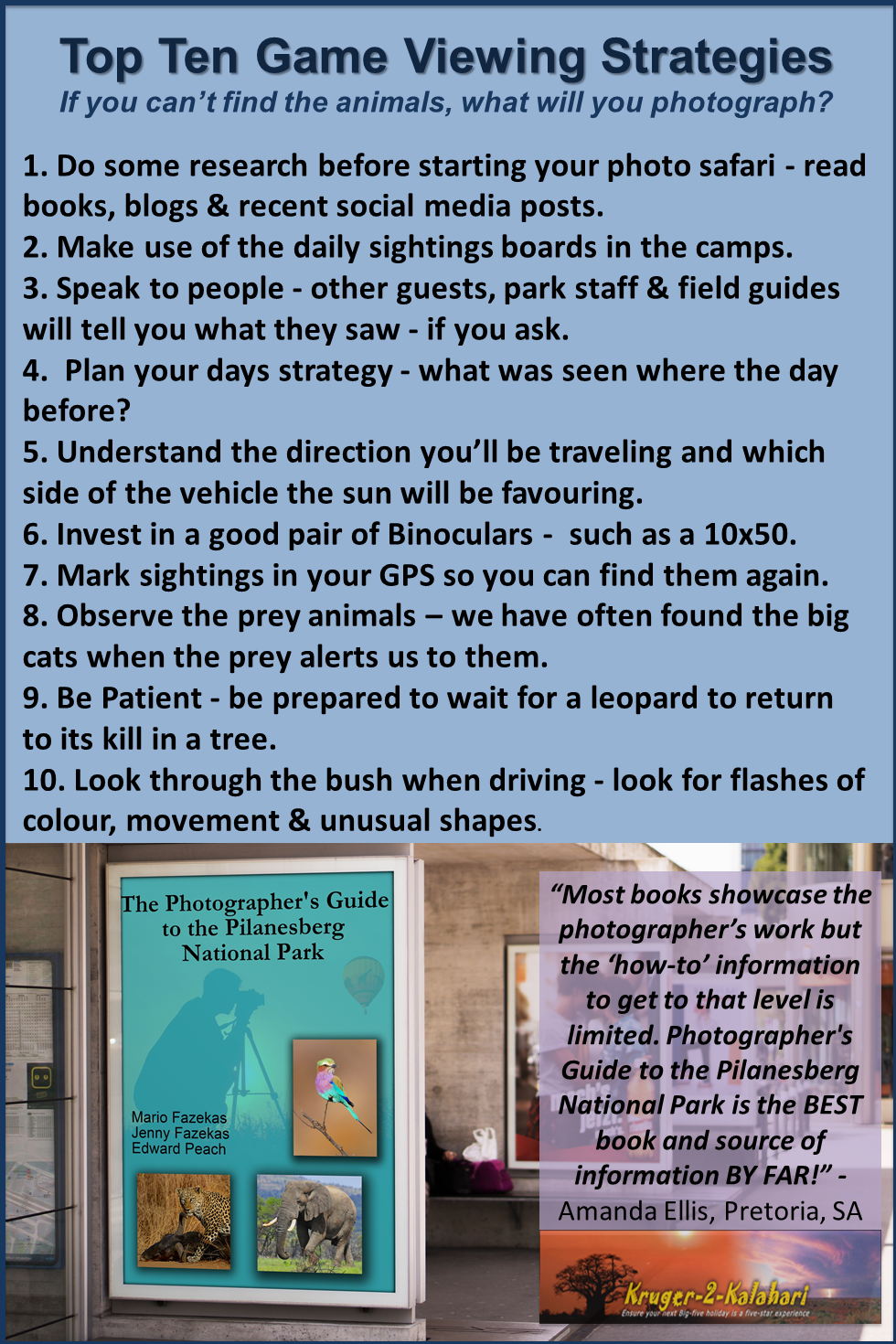
Would you like to return home from your Pilanesberg safari with amazing photos? If yes then this eBook is for you...
"As a photographer and someone who has visited and taken photographs in the Pilanesberg National Park, I can safely say that with the knowledge gained from this eBook, your experiences and photographs will be much more memorable." - Alastair Stewart, B C, Canada
"This work is so much more than an eBook, because it is also a guide, a tutorial, an inspiration and a must-have for anyone interested in wildlife photography" - Findtripinfo.com, USA
"I would describe myself as an enthusiastic amateur photographer, who is keen to know more - but one who feels a bit clueless as to how to get better. This is the perfect book for people like me! What I really like about it is that it gives very specific, down-to-earth ideas that non-specialists can actually understand (and I am a writer by trade, so I demand high standards of clarity)" - Harriet Morris, USA
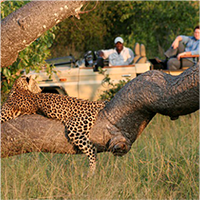
Photo Safaris on a Private Vehicle - just You, the guide & the animals!
New! Comments
Have your say about what you just read! Please leave us a comment in the box below.