The Exposure Triangle in Nature Photography
So far we have discussed Aperture, Shutter Speed and ISO. Here we see how the Exposure Triangle brings all three together to ensure you get the right exposure for your photographs.
Exposure is the making of an image on a digital sensor by using light. Three variables go into the making of your exposure: Aperture, Shutter Speed and ISO. Changing any one of these will affect your exposure and one or both of the other two variables.
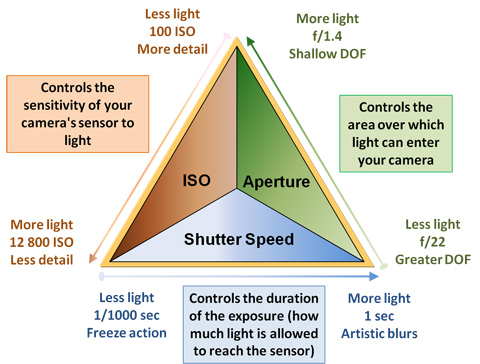
Aperture is the amount of light, which provides either shallow or large DOF (depth of field)
Shutter Speed is the amount of time light enters the camera to either freeze or blur motion
ISO is the light sensitivity of the sensor, which affects detail and sharpness (by adding more or less noise and grain)
Exposure is the balance between these three elements
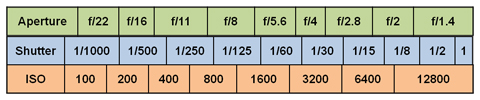
So the exposure triangle is the relationship of the three above variables and it’s what is needed to determine an accurate exposure. Adjusting just one of the variables will result in changes to the overall exposure.
This is how it would go for us:
Let's say for example, we are photographing a herd of zebras with our 200mm f2.8 lens.
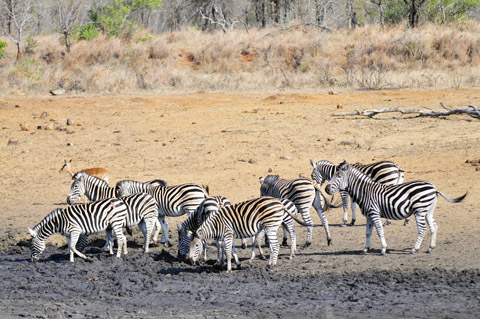
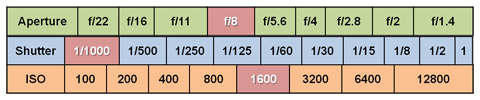
Our camera is always set on 'aperture priority' and we know that f/8 provides the sharpest images so we try to keep the aperture on f/8.
The camera states proper exposure for the current scene at f/8 is ISO 200 with a Shutter Speed of 1/125 sec.
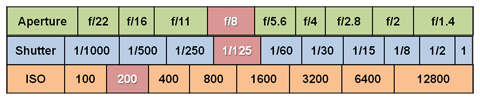
We, however, know that we need our shutter speed to be faster to freeze action if the zebras start running or fighting. We also know that if we change our shutter speed to 1/1000, we are decreasing the light to the exposure by 3 stops.
Therefore we will have to increase another side of the triangle equally, or share the difference between the increase in the other two sides. We would then change the ISO from 200 to 1600.
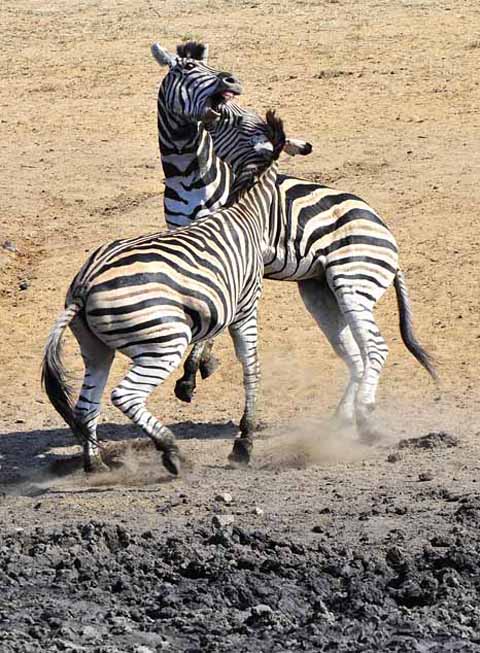
With the Nikon D300, D7000 or D3S this is fine but if we had one of the consumer bodies below the D90 this would cause too much grain. Our lens has a maximum aperture of f/2.8 so we could set it there which would be good because it would blur the background a lot more and therefore make the zebras 'pop' from the scene.
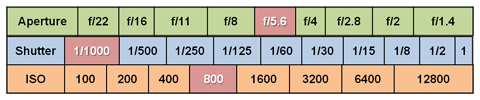
But because the subjects would be moving our focus would have to be “spot-on” when focus-tracking the zebras as the DOF at f2.8 would be very shallow. So instead we rather change the ISO just 2 stops, instead of 3, and the aperture 1 stop (ISO 800 and aperture f/5.6).
This provides good DOF, low noise and a high shutter speed to capture the action.
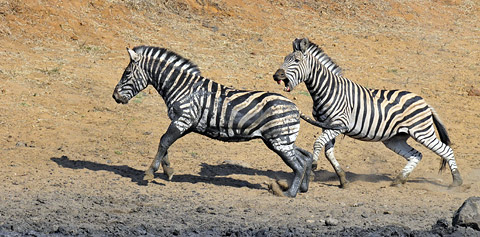
It's all about balance - balancing the three sides of the exposure triangle to achieve your end result in terms of blurring or freezing action, making the subject pop or having more of the scene in focus and between having a sharp image or grainy image.
Return from the Exposure Triangle to Safari Photo Tips page




 Subscribe To This Site



To make a safari rental booking in South Africa, Botswana or Namibia click here
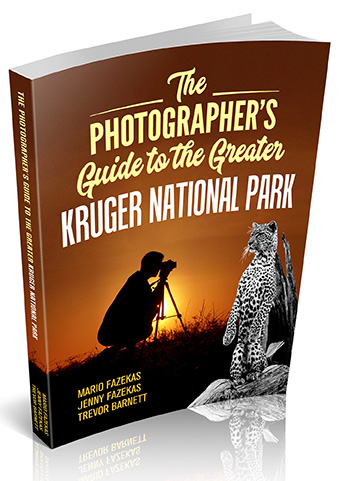
"It's 764 pages of the most amazing information. It consists of, well, everything really. Photography info...area info...hidden roads..special places....what they have seen almost road by road. Where to stay just outside the Park...camp information. It takes quite a lot to impress me but I really feel that this book, which was 7 years in the making, is exceptional." - Janey Coetzee, South Africa
"Your time and money are valuable and the information in this Etosha eBook will help you save both."
-Don Stilton, Florida, USA
"As a photographer and someone who has visited and taken photographs in the Pilanesberg National Park, I can safely say that with the knowledge gained from this eBook, your experiences and photographs will be much more memorable."
-Alastair Stewart, BC, Canada
"This eBook will be extremely useful for a wide spectrum of photography enthusiasts, from beginners to even professional photographers."
- Tobie Oosthuizen, Pretoria, South Africa
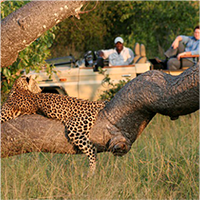
Photo Safaris on a Private Vehicle - just You, the guide & the animals!
New! Comments
Have your say about what you just read! Please leave us a comment in the box below.