Animal Identification
We realized that correct animal identification is lacking for many people when on safari. Some people tend not to correctly identify an animal when they see it or they misinterpret the behavior due to various reasons ranging from ignorance to false advertising. One of the most obvious cases of public indoctrination due to misleading advertising has to be the MGM lion!
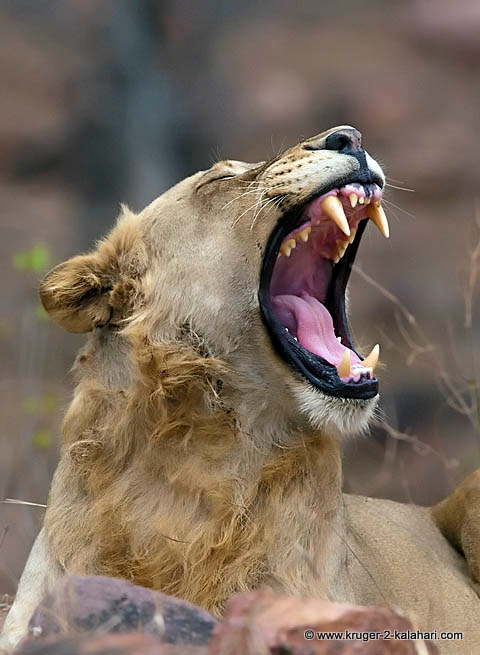
Hollywood thrives on illusion and they have contributed immensely to confusing the public by showing a male lion yawning but having a roar playing.
Even the presenters on wildlife programs confuse the public by calling cheetahs leopards and vice versa or dubbing a lion’s yawn with a roar.
We are not focusing only on foreign tourists as even local Africans get some of these animals confused!
Correct animal identification is important so here are the animals - predators and prey - most commonly confused by visitors to African game reserves and national parks:
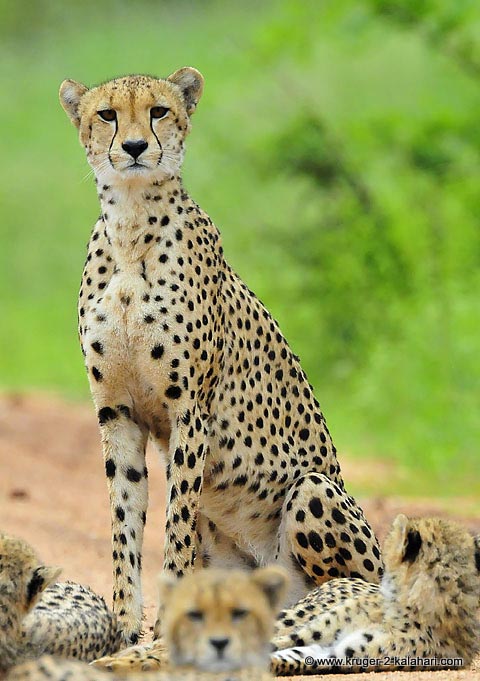
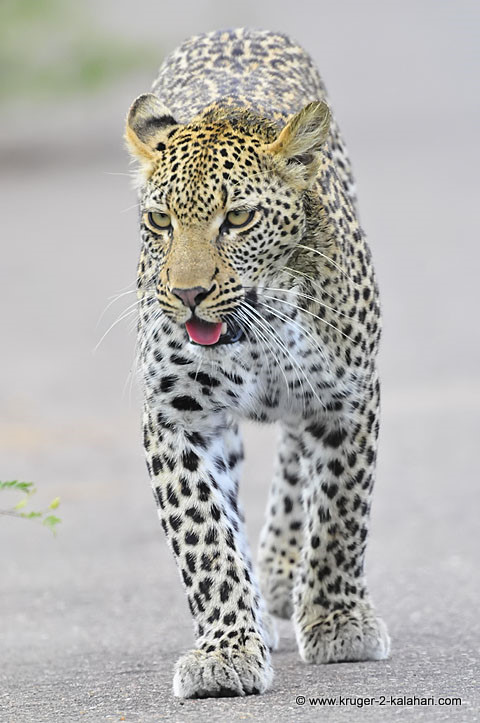
Cheetah and Leopard – the leopard is bigger, the leopard has rosettes instead of spots, the leopard climbs trees while the highest a cheetah gets is climbing onto fallen trees or into low forks in trees to scout for prey, and the cheetah has black tear marks running down their face from their eyes. Leopards are also much stronger than cheetahs and can kill cheetahs.
Cheetah on Salitjie Road, Kruger Park...
Leopard on main road, Southern Circle, Kruger Park...
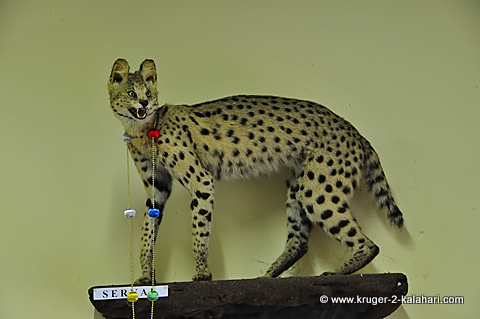
Servals are so rare that when some people see them they think it’s a cheetah or leopard but the Serval is much smaller than both these big cats.
There is a stuffed Serval at the reception of Crocodile Bridge Camp in the Kruger Park if you would like to see what one looks like…
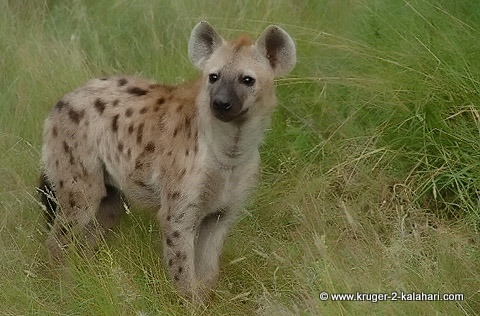
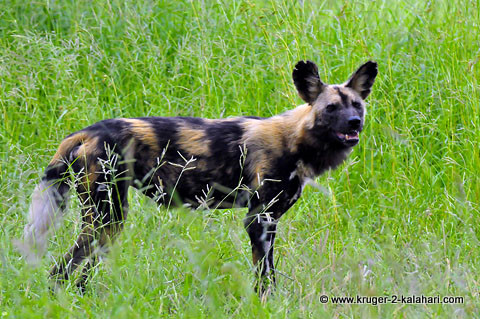
Hyena and Wild Dog – Hyenas are bigger than wild dogs and uglier! Wild dogs are also called spotted wolves as they have various combinations of black, white, tan and yellow patches on them while the hyena has brown spots.
Wild dogs normally have their dens up in hills while hyena’s dens are often found in culverts under roads.
Hyena, Kruger Park...
Wild dog on Southern Circle, Kruger Park...
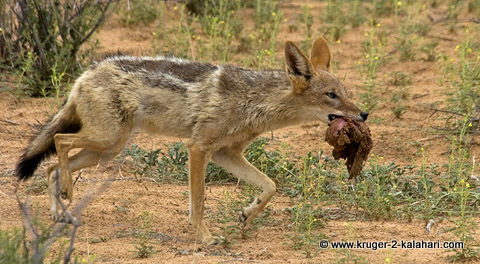
The Blackbacked Jackal is often confused with the Sidestriped Jackal. The blackbacked jackal has a black and silver 'saddle' on his back and the rest of his coat is tan...
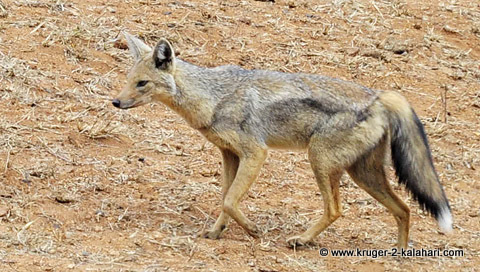
While the sidestriped jackal is more drab-colored with a white-tipped tail and a side stripe...
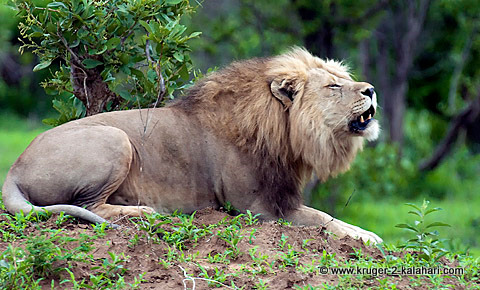
Lion Roar vs Lion Yawn – When a lion roars its mouth shape looks like it is 'blowing'...
Here is a photograph of a Lioness Roaring in the Kgalagadi showing a view from the front.
And when a lion yawns it opens its mouth to its fullest and exposes its teeth, tongue and throat (making NO sound)...
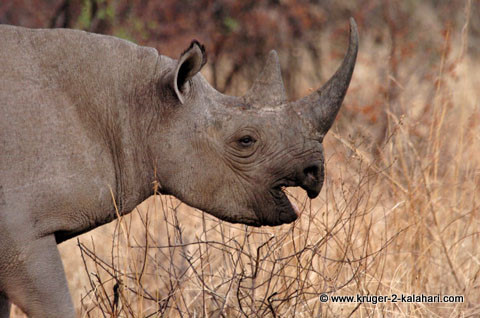
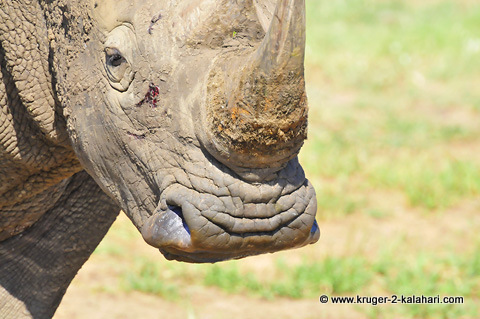
Black Rhino and White Rhino – the black rhino is smaller, more aggressive, and has a hook mouth while the white rhino is bigger, more tolerant and has a wide mouth. The black rhino is a browser so it will have its head up most of the time while the white rhino is a grazer so will have its head down when eating.
Black Rhino showing beak-shaped mouth...
White rhino showing very wide mouth...
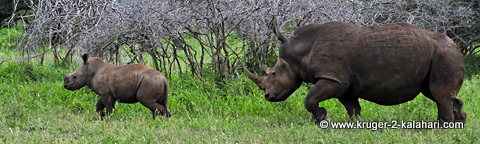
If you see a mother and her calf and they run, the black rhino will have her calf behind her while the white rhino will have its calf in front of her...
When it comes to antelope, especially the rare ones, people tend to confuse the Tsessebe and the Red Hartebeest...
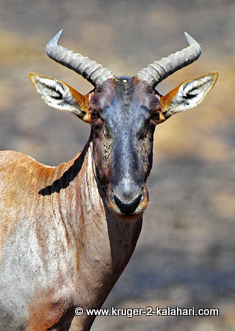
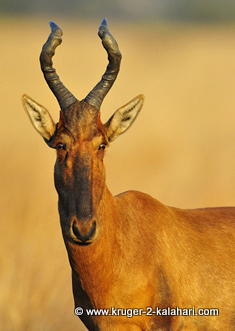
The Tsessebe does resemble the Red Hartebeest but it is smaller and darker. The Red Hartebeest has heart-shaped horns and a much longer face and forehead.
The other rare antelope that may confuse people are the Roan and Sable...
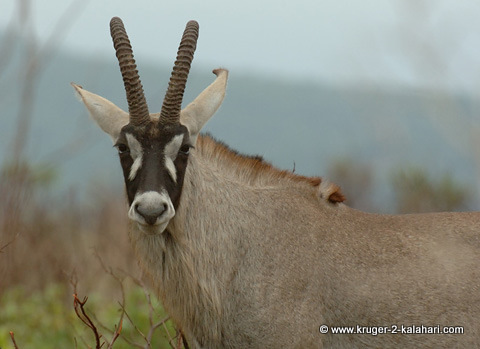
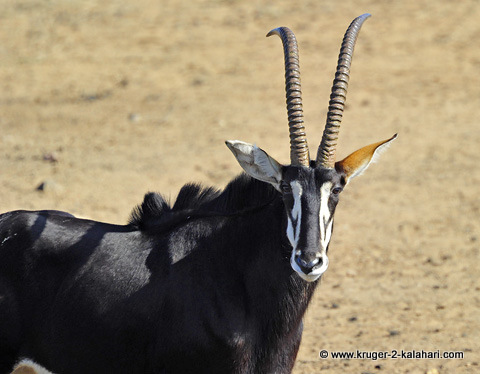
The Roan has shorter horns, tends to be more grey in color and has a more distinctive black and white mask. The Sable males are black and the females and calves brown.
Some people have even gotten rhinos and warthogs confused while a few others have confused the Buffalo with Wildebeest (or Gnus as they are also known), but I think these are a very small number of people who may be on their first safari so we won’t discuss these animals here.
First-time visitors should buy themselves some good African safari books for better animal identification.
If you cannot get an answer from a book then please post your photos here and we will try and identify the animal for you.
We hope that these tips on animal identification will help you when you spot one of these animals on your next African Safari.
Return from Animal Identification to Game Viewing Tips

 Subscribe To This Site


To make a safari rental booking in South Africa, Botswana or Namibia click here
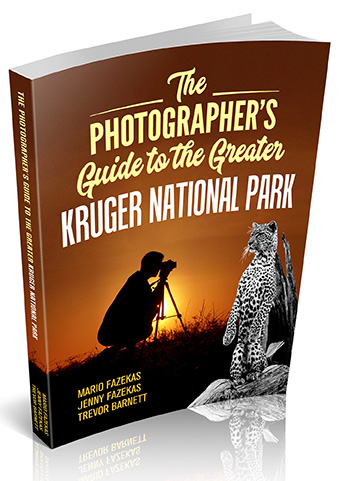
"It's 764 pages of the most amazing information. It consists of, well, everything really. Photography info...area info...hidden roads..special places....what they have seen almost road by road. Where to stay just outside the Park...camp information. It takes quite a lot to impress me but I really feel that this book, which was 7 years in the making, is exceptional." - Janey Coetzee, South Africa
"Your time and money are valuable and the information in this Etosha eBook will help you save both."
-Don Stilton, Florida, USA
"As a photographer and someone who has visited and taken photographs in the Pilanesberg National Park, I can safely say that with the knowledge gained from this eBook, your experiences and photographs will be much more memorable."
-Alastair Stewart, BC, Canada
"This eBook will be extremely useful for a wide spectrum of photography enthusiasts, from beginners to even professional photographers."
- Tobie Oosthuizen, Pretoria, South Africa
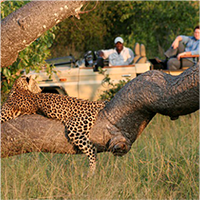
Photo Safaris on a Private Vehicle - just You, the guide & the animals!