Purpose
Purpose is the fifth criteria for a person wanting to improve their nature photography.
In addition to Passion,Patience,Preparation and Practice, this is the final ingredient.
What do we mean by purpose? When we first started going on self-drive photo safaris we had no goal. We would leave camp in the morning and drive around all day looking for subjects. Our motto was 'if it moves we will photograph it!"
This is termed 'subject-driven photography' - we see a subject and we photograph it regardless of the lighting conditions or where the subject is or what it is doing.
Subject-driven photography is not wrong - it is just not appropriate for wildlife photography. It works with studio photography and even with macro photography where you control the lighting and subject placement.
In wildlife photography you must have a purpose and that is termed 'situation-driven photography'.
We have moved from subject-driven to situation or light-driven photography. We now look for subjects in good light as our aim is to get good photographs of any animal.
Here's an example - photographers love to photograph lions so we find a male lion and sit with him the whole day. But he is lying in tall grass, under a tree at midday doing nothing...
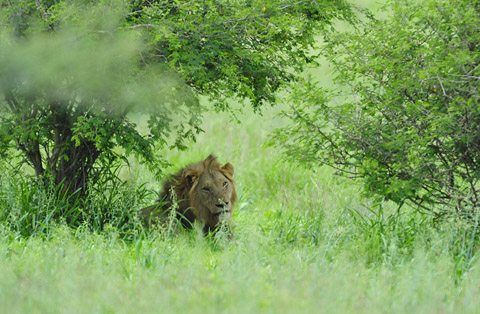
We have often driven past lion sightings and the people who have stopped to watch him look at us in amazement!
We do not want bad photographs of lions but want to rather find other subjects in good lighting, thereby providing us with WOW photographs such as this European Roller...
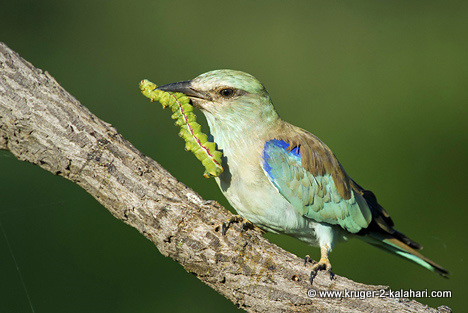
Which of the above two photographs would you enter into a contest or hang on your wall at home?
It's a no-brainer isn't it!
Most professional wildlife photographers have this aim in mind when they go on game drives.
Let's hear what a few professional photographers have to say:
"I can also usually tell when a situation is worth staying for or whether it is time to leave for greener pastures. I refer to this as 'Subject Driven vs. Situation Driven' photography.
If there is a great photo subject in a bad photo situation and it doesn’t seem likely to change, I tell people that somewhere else someone is playing, fighting, hunting, eating, being eaten…the list is endless, so leave the bad situation and find something better!
At the end of the tour loop at Lower Klamath NWR, there is a big stand of cottonwoods parallel to the road. Many bald eagles roost in the trees, but 99.99% of the time they are sitting on cluttered perches. And on sunny afternoons when their numbers tend to increase, they are severely side lit.
The crazy thing for me was to see practically all of the photographers on the refuge trying to make images in an impossible situation while ignoring huge flocks of light and dark geese blasting off every five minutes…. (And I am not talking about point and shooters; 90% of the folks had big glass, 500, 600, and 800mm lenses.)
My advice to local and visiting photographers: ease up on the eagle infatuation and concentrate on finding and working the best photographic situations.
In the early nineties I decided to make a bit of a paradigm shift in my photography. Instead of being primarily ‘subject driven’ I switched to what I like to call ‘light driven’ photography.
In other words I sought out fantastic light opportunities primarily and then looked for a subject in those favorable lighting situations. This way it is possible to make fresh new images of even the most common species.
So next time you are out on a game drive keep in mind your purpose and evaluate the lighting of the situation and then decide if you want to photograph the animal or find another subject in better lighting.
And watch your photographs improve in quality!
Return from Purpose to Photographic Vision page




 Subscribe To This Site



To make a safari rental booking in South Africa, Botswana or Namibia click here
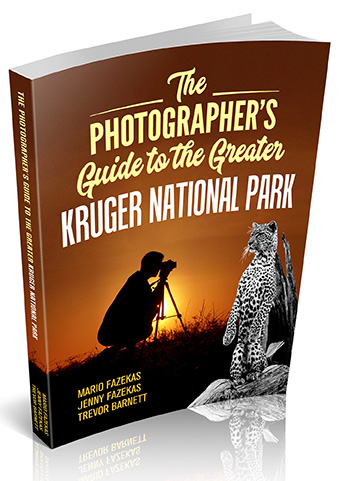
"It's 764 pages of the most amazing information. It consists of, well, everything really. Photography info...area info...hidden roads..special places....what they have seen almost road by road. Where to stay just outside the Park...camp information. It takes quite a lot to impress me but I really feel that this book, which was 7 years in the making, is exceptional." - Janey Coetzee, South Africa
"Your time and money are valuable and the information in this Etosha eBook will help you save both."
-Don Stilton, Florida, USA
"As a photographer and someone who has visited and taken photographs in the Pilanesberg National Park, I can safely say that with the knowledge gained from this eBook, your experiences and photographs will be much more memorable."
-Alastair Stewart, BC, Canada
"This eBook will be extremely useful for a wide spectrum of photography enthusiasts, from beginners to even professional photographers."
- Tobie Oosthuizen, Pretoria, South Africa
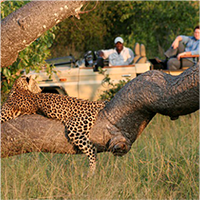
Photo Safaris on a Private Vehicle - just You, the guide & the animals!
New! Comments
Have your say about what you just read! Please leave us a comment in the box below.