Interview with Mike Moats - Macro Nature Photography Master
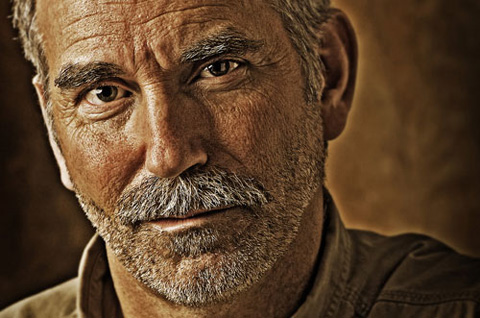
1. Mike, what motivated you to become a photographer and why the focus on macro?
I have been into outdoor activities all my life, and nature photography was another excuse to be outdoors and in the woods.
Because I live in the metro Detroit area that doesn’t offer any opportunity for great landscapes, I decided to explore the macro world, which turned out to be a good move.
2. Most wildlife photographers have a 500mm or 600mm f4 lens as their key piece of equipment. With macro photography what is your key lens?
Well it depends on the subjects you are shooting. If you’re shooting stationary subjects a midrange macro lens in the 100mm range will work fine.
If you’re shooting butterflies, dragonflies, or small critters that will flee as you get close, the longer macro lenses in the 150mm to 200mm give you more working distance.
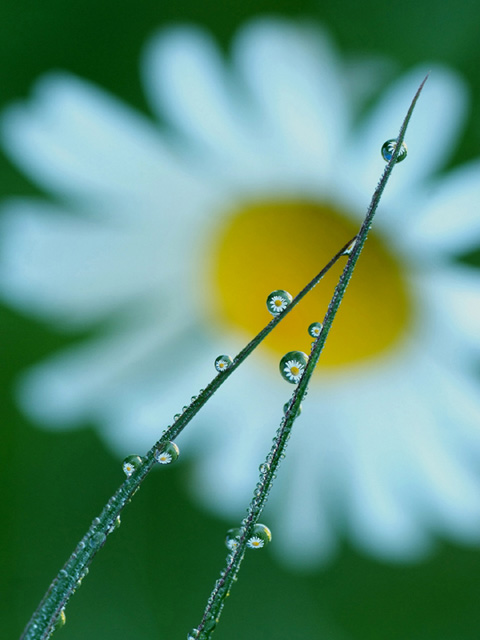
3. Is it enough to have the right equipment in order to be a good macro photographer or are there other areas of knowledge that are critical?
Macro photography takes a lot of practice especially learning to work with depth of field.
Because the working distance is so close the depth of field becomes difficult to work with and learning the angles it takes to produce backgrounds that will enhance the main subjects.
4. You, like many other professional photographers, are self-taught - learning by shooting from trial and error. How long did it take you to improve before you became a professional?
If you look at my website you will see no images from my first three years.
It didn’t start to kick in until the fourth year, and by the end of the fourth year I started to get images published in magazines.
5. Some people may read this and say, 'Well, if Mike can do it like this so can I'. But they don't realize that you were forced into this situation due to the lack of formal workshops in your area. If you had the opportunity to attend workshops (or boot camps as you call yours) you may have progressed at a much quicker rate is that right?
You bet, I could have sped up the whole process of learning macro with a Macro Boot Camp like mine.
Photo forums on the internet came into my life in the fourth year and that really helped with learning composition.
6. Please give us an idea of a typical day on one of your macro boot camps.
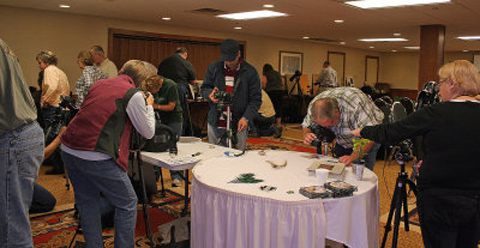
We cover many different phases of macro photographer and we spend a couple hours of shooting on Saturday and Sunday.
Everything there is to know about macro photography is covered.
7. If people cannot attend your workshops are your e-books a suitable alternative?
Sure, each of the macro e-books covers a part of the Macro Boot Camp, but obviously much more is covered at the MBC.
8. Have you experienced any 'e-book resistance'? This is where people have spent thousands of dollars on their photo equipment and are getting lousy photographs yet they simply refuse to spend a few dollars on an e-book!?
I do well with sales of my e-books, but I have to believe that there are a lot of photographers that are not very good, but don’t feel they need the help.
9. In your 'Tiny Landscapes Composition Guide' you say that the difference between the pros and the amateurs is in the image design. Please can you expand on this statement.
There are subjects that are interesting and grab a viewers eye and there are subjects that are just not interesting.
The pro’s do a better job of finding good subjects and composing them properly in the frame.
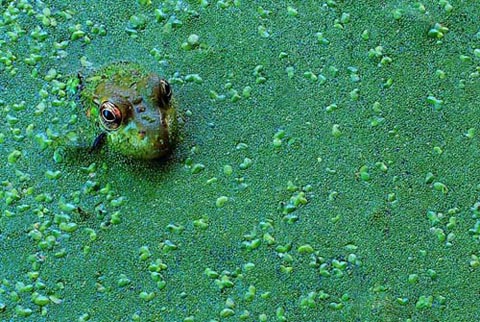
10. In you e-book 'Finding Character in Nature', you mention that photographers must try and look out for the unique features that make an ordinary subject look extraordinary. A wildlife photographer would look for the individuals in a pride of lions or herd of buffalo with the most character - how do you achieve this with flowers?
It’s in the artistic design of the flower.
Rather than shoot a flower that has perfectly aligned petals; search out the flowers that have petals that have formed in unusual designs.
11. You do not use fill-flash for any of your photographs. How do you then light up such small subjects?
I have always used natural light and will use a reflector to add light in dark areas.
I have been experimenting with some of the new LED lights that are on the market, and I hand hold the light in low light areas of a subject.
12. Do you have any special seasons or times of the year for shooting macro subjects?
Mostly Spring through Fall but with all the interesting new growth during the spring, it would be my favorite time of year.
There are, however, some limited subjects to shoot during winter here in Michigan.
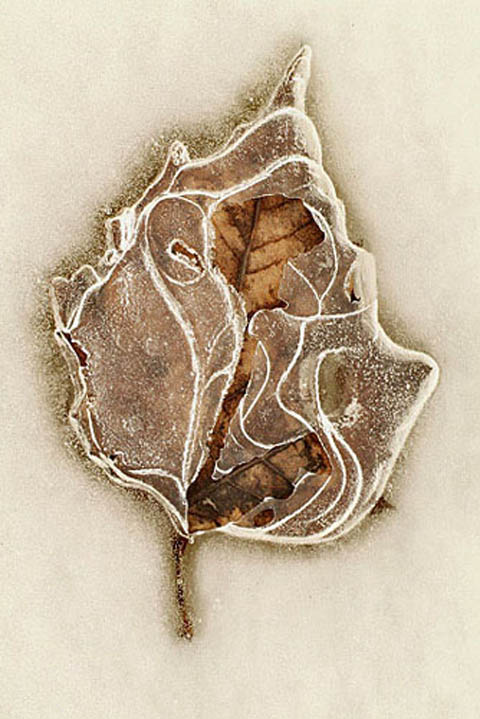
13. For big-game photo safaris large distances need to be traversed - how far do you travel to find your subjects?
Macro can be shot in your backyard to anywhere in the world. I shoot mainly in parks within 20 minutes from my home.
In winter I shoot in my home, so subjects are everywhere and far away travel is not required.
14. Some photographers love processing their images while others see it as a laborious chore. How do you feel about Photoshop or any of the other editing programs out there?
It is required to make the images really pop, as they don’t come out of the camera finished.
I don’t always like the post processing part, but know it has to be done. I mainly use the Nik Products for post processing, and Photoshop for a few tweaks.
15. Depth of field is critical for macro subjects. Do you stop down or use special software to ensure good depth of field in your photographs?
I shoot two styles, one with everything in focus and the other with very soft shallow depth of field.
If I have a subject that is interesting throughout, then I will set my f/stop in the higher number ranges (up to f32), and with the shallow soft feel that I mainly use with flowers and bugs, I will be working in the smaller f/stop numbers.
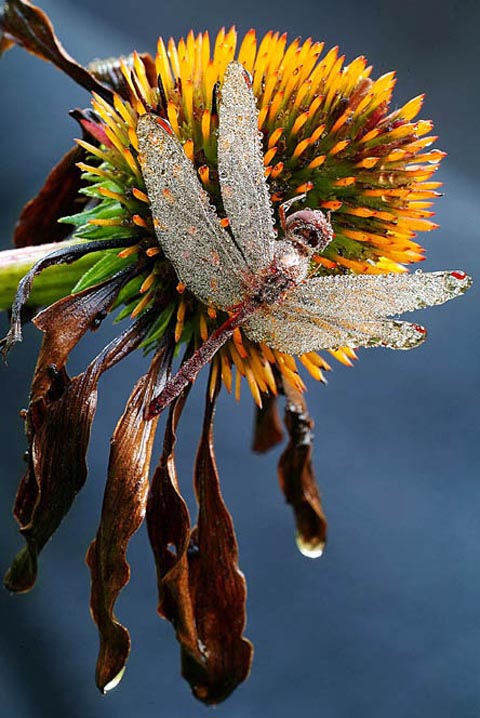
16. You share a lot of valuable information in your blog - this demonstrates how passionate you are about photography and helping others to improve. How do you find the time to maintain a blog, a macro nature forum, publish e-books, run boot camps, write articles and take photographs?
It’s a seven day a week, 12 hours or more a day job, but I love it and look forward to waking up at 5 in the morning and getting to work!
17. Any final words of advice or encouragement to someone starting out with or wanting to improve their macro photography?
Spend as much time shooting as possible, and join nature photographer forums and post images for critiques, and study what the other experienced photographers are doing with subjects and compositions.
About Mike Moats...
Mike Moats is an award winning, professional Nature Photographer from Sterling Heights, Michigan. He started shooting as a hobby in 2001 and it quickly grew into a full time business.
To date he has had articles and images published in Outdoor Photographer Magazine, Natures Best Magazine, PC Photo Magazine, Nature Photographer Magazine, Photolife, Whisper In The Woods, Michigan Game Finder, NANPA's Expressions Books, Pure Michigan Book, and Fujifilms Newsletter (Cable Release), he writes for Tamron's blog, and has had two images on front covers.
Mike has won numerous local and international awards, and in 2006 was asked to join the Fuji Pro Talent Team, and in 2009 was added as a Macro Master on the Tamron Website.
In 2006 Mike started offering Close-Up/Macro Photography Workshops.
His first book was released in Oct 2008 and is called Tiny Landscapes. The book is a how-to book for macro photography in nature.
He also has four e-Books sold through his storefront and he offers online macro workshops.
And be sure to also check out Mike's
All Images Copyright © Mike Moats Nature Photography. All rights reserved.
Return from Mike Moats to Interviews page




 Subscribe To This Site



To make a safari rental booking in South Africa, Botswana or Namibia click here
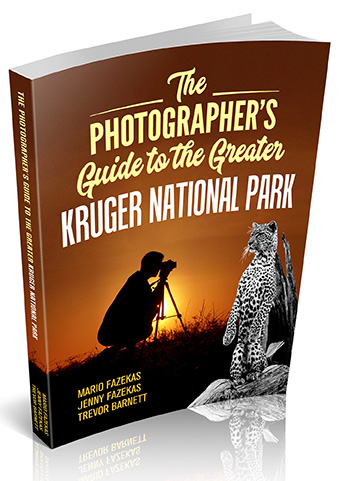
"It's 764 pages of the most amazing information. It consists of, well, everything really. Photography info...area info...hidden roads..special places....what they have seen almost road by road. Where to stay just outside the Park...camp information. It takes quite a lot to impress me but I really feel that this book, which was 7 years in the making, is exceptional." - Janey Coetzee, South Africa
"Your time and money are valuable and the information in this Etosha eBook will help you save both."
-Don Stilton, Florida, USA
"As a photographer and someone who has visited and taken photographs in the Pilanesberg National Park, I can safely say that with the knowledge gained from this eBook, your experiences and photographs will be much more memorable."
-Alastair Stewart, BC, Canada
"This eBook will be extremely useful for a wide spectrum of photography enthusiasts, from beginners to even professional photographers."
- Tobie Oosthuizen, Pretoria, South Africa
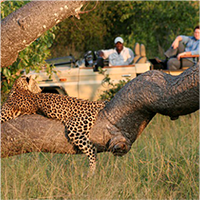
Photo Safaris on a Private Vehicle - just You, the guide & the animals!
New! Comments
Have your say about what you just read! Please leave us a comment in the box below.